



What Exactly Are They?
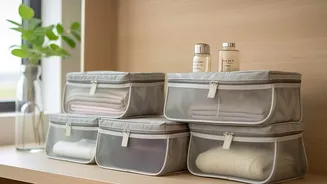
Vacuum compression bags are airtight pouches designed to have the excess air removed, thereby shrinking the volume of the contents. For travel, two main types exist: those that require a small, often portable hand pump or a household vacuum to suck the air out,
and travel roll-up bags that you manually press and roll to expel the air. The goal is the same: to turn a puffy pile of clothes into a compact, flat panel that slides easily into your suitcase. This can reduce the volume of clothing and other soft items by a significant margin, with some estimates suggesting a space saving of up to 50% or more for bulky items.
Best Items for Beach Trip Compression
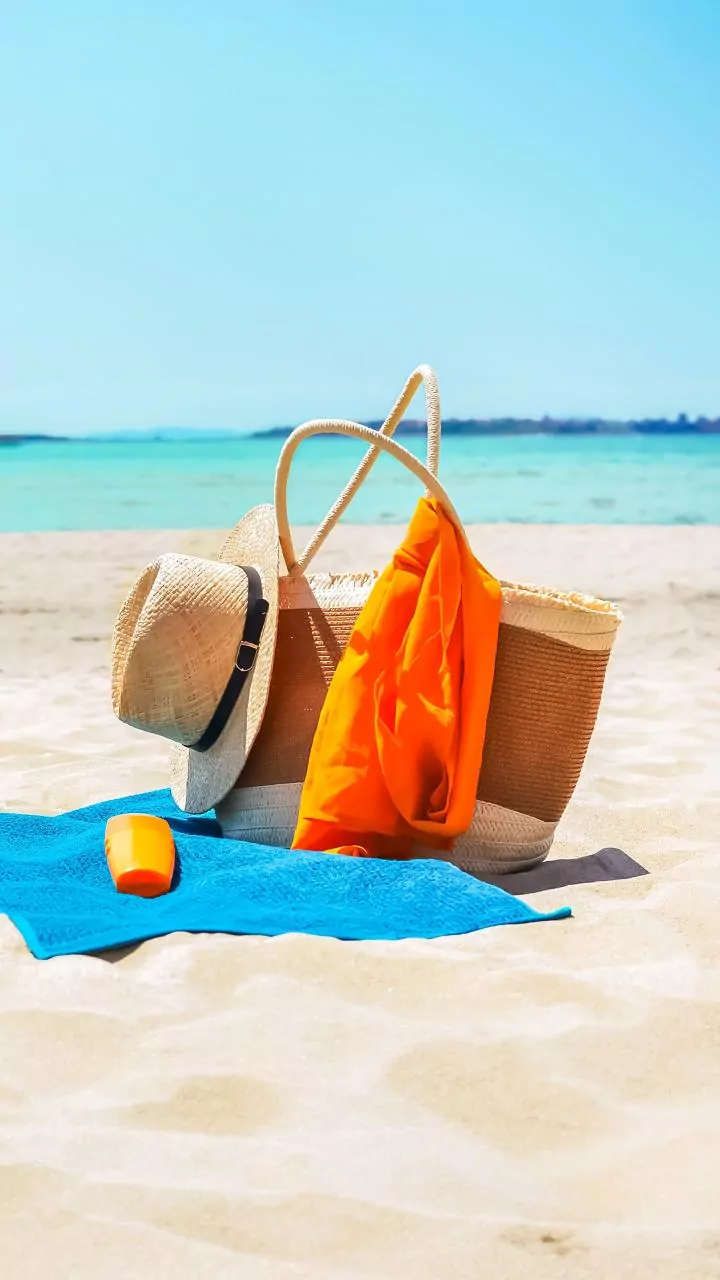
Beach trips involve lots of bulky but lightweight items, making them perfect candidates for compression. Think about your beach towels, which are notorious space-hoggers. Puffy cover-ups, casual t-shirts, cotton dresses, swimwear, sweatshirts for cool evenings, and even pyjamas all compress beautifully. Resilient fabrics like cotton, denim, and polyester blends are ideal as they bounce back relatively well after being squashed. By compressing these items, you can potentially pack twice as much into the same space or, better yet, leave room for souvenirs on the way home.
How to Pack Them Correctly
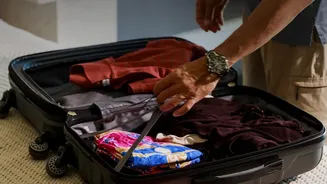
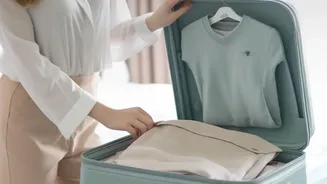
Using these bags effectively requires a bit of technique. First, ensure any clothes you pack are completely clean and dry to prevent mould or musty smells from developing in the airtight environment. Fold or, even better, roll your items neatly before placing them inside; this helps minimise sharp creases. Don't overfill the bags. Leave a few centimetres of space before the zipper to ensure you can get a perfect seal, which is the number one reason for bags failing. Once sealed, remove the air evenly until the bag is flat and compact. You'll be left with a dense 'brick' of clothing that can be stacked neatly in your suitcase.
The Inevitable Wrinkle Question
Let's be clear: compressing clothes will cause some wrinkles. The pressure turns soft folds into harder creases. This is the primary trade-off for gaining so much space. However, the severity depends on the fabric and how you pack. Rolling clothes instead of folding them creates gentle curves rather than sharp lines, which can significantly reduce deep-set wrinkles. Fabrics like linen or delicate silks are best left out of compression bags, as the wrinkles can be difficult to remove. For everything else, the fix is simple: unpack as soon as you arrive at your destination and hang your clothes. A bit of steam from the shower can help release most of the creases.
What to Leave Out
Not everything benefits from being vacuum-packed. Avoid compressing structured garments like blazers or items with delicate embellishments like beads or sequins, as the pressure can damage them. Leather and suede are also no-gos; the lack of airflow and intense compression can cause permanent creasing and damage. Puffer jackets with down filling can be compressed for short-term travel, but long-term storage is discouraged as it can crush the fibres and reduce their insulating ability. Essentially, if an item needs to breathe or hold its specific shape, it's better to pack it conventionally.
More Than Just Saving Space
The benefits extend beyond just fitting more in your bag. The airtight seal provides excellent protection against moisture, spills, dust, and odours. This makes them perfect for quarantining a damp swimsuit or dirty laundry on your return journey. They also create a fantastic organisational system. You can group outfits or types of clothing into different bags, making it easy to find what you need without rummaging through your entire suitcase. When you arrive, everything is neatly categorised and ready for unpacking.