






Closing the Cloud Loophole
The core of the new regulation, issued by the Commerce Department's Bureau of Industry and Security on November 16, 2026, targets a major oversight in previous controls: remote access. For years, companies in restricted nations like China, Russia, and Iran
couldn't buy top-tier American AI chips directly. However, a significant gap allowed them to simply rent processing power from data centers located in third-party countries. This meant they could train their AI models on the world's best hardware without ever physically possessing it. The new interim final rule aims to shut this side door by shifting the focus from where a chip is shipped to who is ultimately using the computing power it provides.
How the New Rule Works
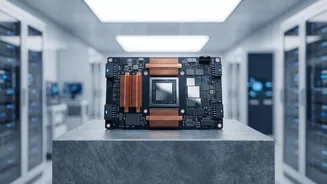
The rule mandates that companies must get a license to export advanced AI hardware to any data center in the world if there's knowledge it will provide significant computing capacity to a company headquartered in a restricted nation. The regulation sets a specific technical threshold: any arrangement providing more than 12 million aggregate total processing performance (TPP) to a restricted entity is covered. This applies whether the capacity is in a single facility or spread across linked data centers. To put that in perspective, 12 million TPP is roughly the power of about 750 advanced Nvidia H100 or H200 chips. This places a new due diligence burden on data center operators, who must now have more visibility into their customers' ownership and activities.
Spotlight on Diversion Hubs
Beyond targeting the end-user, the rules also identify five specific countries as presenting a 'higher-than-normal risk of diversion'. Exports of advanced semiconductors to Indonesia, Malaysia, Singapore, Thailand, and Brazil will now require a license. These nations have become popular locations for data center construction, but U.S. officials are concerned they could be used as transshipment points to get hardware to unauthorized destinations. An exception exists for chips destined for the facility of a company whose ultimate parent is headquartered in the U.S., though reporting requirements will still apply. Existing data centers impacted by these new rules have a 90-day grace period to obtain the necessary licenses to continue serving their clients.
A High-Stakes Strategic Gamble
These tighter controls represent a logical extension of America's strategy to slow its rivals' AI development, but they don't come without risks. For U.S. chipmakers, the regulations add complexity and may impact revenue from key international markets. Data center operators in the five newly designated countries now face additional administrative hurdles. Critics of aggressive export controls argue they could accelerate efforts by countries like China to achieve semiconductor self-sufficiency, potentially eroding the U.S. tech industry's long-term market dominance. The new framework attempts to strike a balance, targeting specific access methods rather than imposing broader, country-level bans. The regulations formally rescind the previous 'AI Diffusion Rule', signaling a more targeted approach to national security.