





The Problem with Pre-Cut Produce
During the rainy season, the combination of moisture and ambient warmth accelerates bacterial and fungal growth on food. Pre-cut produce is particularly vulnerable. When a fruit or vegetable is sliced, its natural protective skin is broken, exposing more
surface area to the air. This exposure, coupled with high humidity, creates an ideal breeding ground for microbes that can lead to foodborne illnesses like diarrhoea and dysentery. According to the Food Safety and Standards Authority of India (FSSAI), the risk of such diseases increases significantly during this time of year. Experts advise avoiding produce that has been cut and left sitting out, as it is much more likely to spoil quickly.
The Hidden Nutritional Cost
Beyond the immediate safety concerns, pre-cut produce also suffers from nutrient loss. Vitamins, particularly water-soluble ones like Vitamin C and some B vitamins, begin to degrade the moment the produce is cut and exposed to oxygen and light. The longer the cut pieces sit in a package—even a refrigerated one—the more their nutritional value declines. Studies have shown that levels of Vitamin C and other antioxidants can drop significantly within just a few days of processing. While a pre-made salad pack is better than no vegetables at all, you get far more nutritional benefit by buying produce whole and cutting it yourself just before consumption.
Monsoon Vegetable Shopping Guide
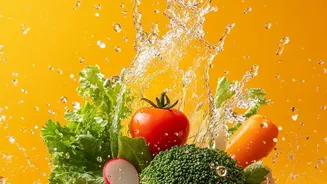
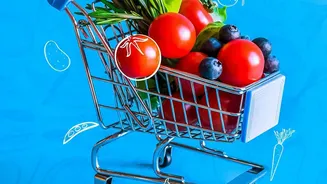
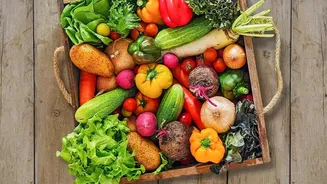
The key to a healthy monsoon diet is choosing seasonal, fresh produce. Gourds are an excellent choice as their thick outer skin naturally protects the edible portion inside until you peel them. Look for bottle gourd (lauki), ridge gourd (turai), bitter gourd (karela), and snake gourd (chichinda). Other good options that are typically harvested during this season include okra (bhindi), cluster beans (gawaar), eggplant (baingan), and tomatoes. When buying any vegetable, inspect it carefully. Avoid anything that looks wilted, slimy, mouldy, or damaged, as the damp weather can hasten spoilage. Thoroughly wash all vegetables under clean running water before use.
Smart Fruit Choices for the Season
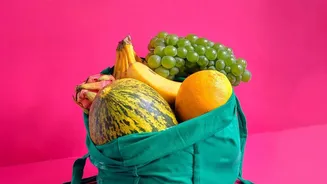
Many delicious fruits come into season during the monsoon, offering a boost of essential vitamins. Jamun (Indian blackberry), pears (nashpati), plums (aloo bukhara), peaches, and cherries are all excellent choices. Fruits with thick, inedible peels like bananas, pomegranates, and papayas are generally safer options as the peel protects the flesh from contamination. While some mango varieties are still available, be selective. Always opt for whole fruits over pre-cut platters from vendors, which may be exposed to contaminants. It's best to wash fruits well, peel them yourself, and consume them immediately after cutting to get the most flavor and nutrition.
Proper Storage is Key
How you store your groceries is just as important as how you buy them. To prevent spoilage in the humid environment, proper storage is crucial. After washing vegetables and fruits, dry them thoroughly. Leafy greens, which are highly perishable, can be wrapped in paper towels to absorb excess moisture before being placed in the refrigerator. Store different types of produce separately to prevent cross-contamination and premature ripening. A clean refrigerator is essential; ensure good air circulation by not overloading it. Storing produce correctly not only extends its shelf life but also helps preserve its taste and nutritional quality, ensuring you get the most out of your monsoon grocery run.