







Deconstructing the 'Glass Skin' Dream
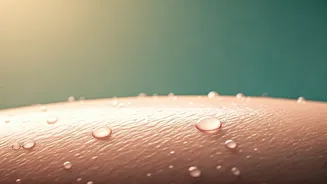
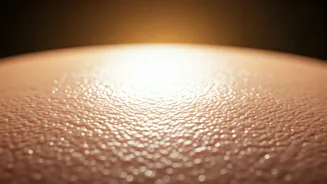
First, let's be clear on what 'glass skin' truly means. Originating from Korean beauty philosophy, the term, or 'yuri pibu', describes a complexion so smooth, plump, and clear that it appears to have the flawless transparency of glass. It’s not about
a temporary highlight or a makeup trick; it’s the visual result of exceptionally healthy, well-hydrated skin. The goal isn't an unrealistic, poreless finish, but rather skin that is so balanced and nourished it reflects light naturally, looking dewy and youthful from within. This ultimate glow is less about a 10-step routine and more about skin that is functioning at its absolute best.
Meet Your Skin's Bodyguard: The Barrier
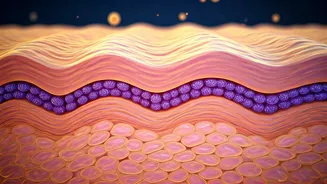
Every person has a skin barrier, also known as the stratum corneum. Think of it as a diligent security guard for your skin. It's the outermost layer, composed of tough skin cells (the 'bricks') held together by a lipid mixture of ceramides, fatty acids, and cholesterol (the 'mortar'). This barrier has two critical jobs: to keep the good stuff in, primarily water, preventing it from evaporating into the air; and to keep the bad stuff out, like pollutants, irritants, and harmful bacteria. A healthy, intact barrier is the unsung hero of resilient, calm, and comfortable skin.
Connecting the Dots: From Barrier to Glass
Here is the simple truth: you cannot achieve the hydrated glow of glass skin with a compromised barrier. When the barrier is damaged, the 'mortar' holding your skin cells together develops cracks. Moisture escapes rapidly through these gaps—a process called transepidermal water loss—leading to dehydration, dullness, and a loss of elasticity. Furthermore, irritants can easily penetrate the skin, causing redness, sensitivity, and inflammation. These are the exact opposites of the glass skin ideal. A strong, functioning barrier, on the other hand, excels at locking in hydration. This moisture retention is what gives skin its plump, smooth, and radiant appearance—the very definition of glass skin.
Nurturing Your Barrier Back to Health
Think of barrier repair not as a quick fix, but as a gentle negotiation with your skin. The first step is often to do less. Simplify your routine to the essentials: a gentle cleanser, a nourishing moisturiser, and daily sunscreen. For now, take a break from harsh physical scrubs and potent active ingredients like high-concentration retinoids or exfoliating acids (AHAs and BHAs), which can be too much for a struggling barrier. Cleanse with lukewarm water, which is less likely to strip the skin's natural oils than hot water. The goal is to create a calm, supportive environment where your skin can focus on healing itself.
The Barrier-Boosting Ingredient Checklist
When choosing products, look for ingredients that actively replenish and support your skin's natural structure. Ceramides are non-negotiable; they are lipids that directly refill the 'mortar' of your skin barrier. Humectants like hyaluronic acid and glycerin are moisture magnets, drawing water into the skin to boost hydration levels. Niacinamide (Vitamin B3) is a superstar multitasker that not only encourages your skin to produce more of its own ceramides but also calms inflammation and improves skin texture. Finally, ingredients like squalane and other fatty acids provide further lipid support, locking in moisture and keeping the barrier supple.