


1. Layer with Plush Textiles
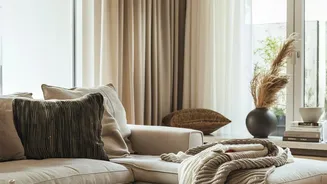
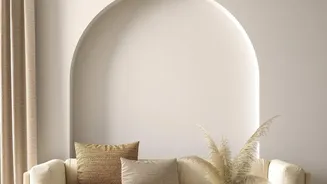
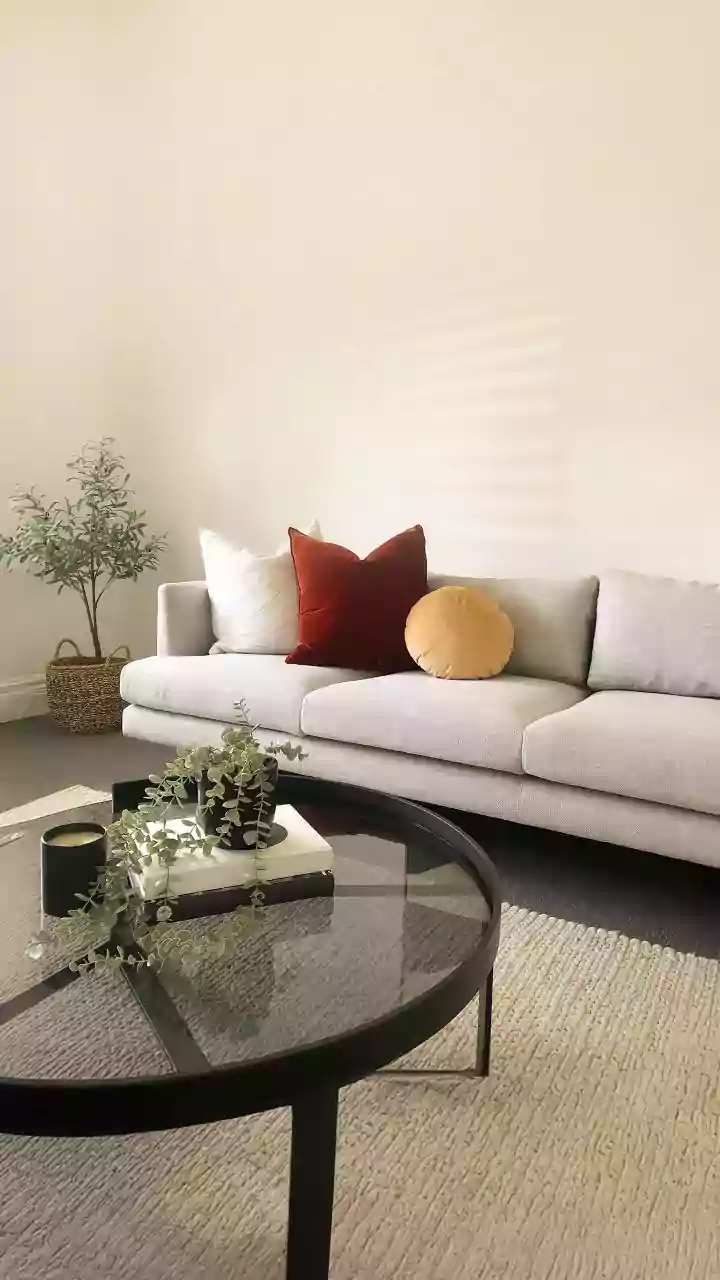
The easiest and most common way to introduce texture is through fabrics. Think about how a room feels with a variety of textiles. Layering different materials creates a sense of comfort and luxury. Start with the big items: a sofa in a durable weave can
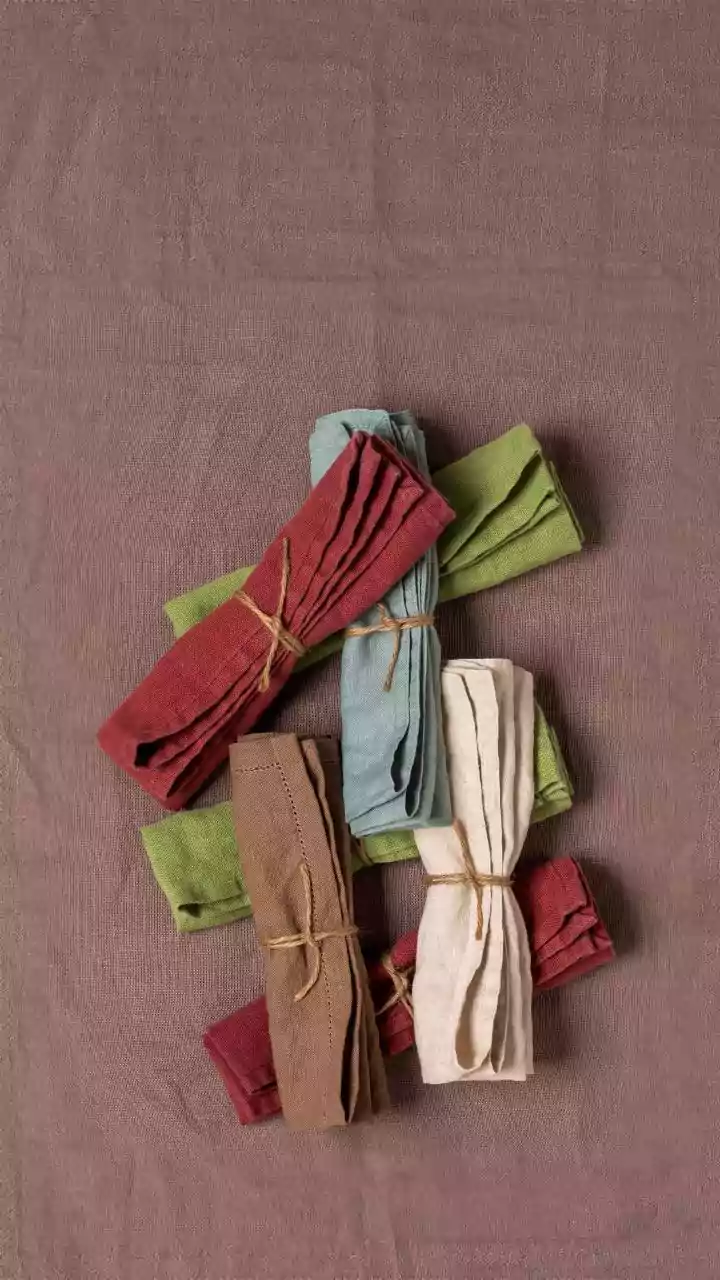
be softened with velvet or silk cushions. A chunky knit throw blanket draped over an armchair adds instant cosiness. Don’t forget the floor; a high-pile or jute rug can anchor a room while providing tactile feedback underfoot. Even curtains can play a role; swapping out simple cotton for rich velvet or breezy linen can dramatically change the feel of the space. The key is to mix and match materials like wool, cotton, faux fur, and bouclé to create a room that invites you to touch and relax.
2. Incorporate Natural Materials
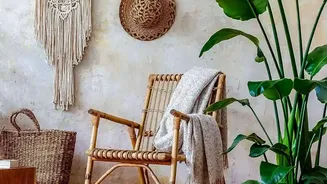
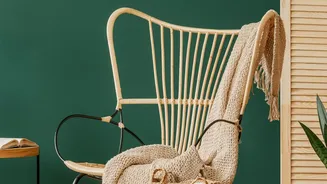
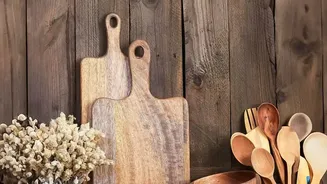
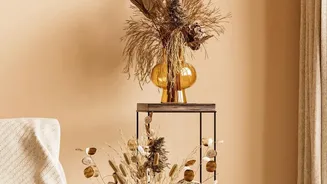
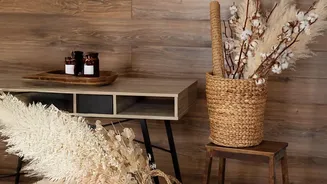
Bringing elements of the outdoors inside is a powerful way to add organic texture and a sense of calm. Materials like wood, rattan, stone, and clay connect us to the natural world and prevent a space from feeling sterile. This can be as simple as a wooden coffee table with a visible grain, a stone-topped side table, or woven rattan baskets for storage. These materials offer timeless beauty and evolve over time, adding character to your home. Even small accents like a marble tray, ceramic vases, or a hand-carved wooden bowl can introduce a new textural dimension. The contrast between these hard, natural surfaces and softer textiles creates a balanced and dynamic interior.
3. Play with Wall Surfaces
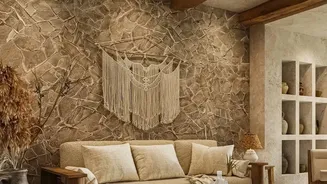
Don’t let your walls remain flat and forgotten. Textured wall treatments can add immense depth and architectural interest. Options range from subtle to dramatic. Limewash or Venetian plaster can give walls a soft, chalky, or marble-like finish that catches light beautifully. For a bolder statement, consider fluted wood panels, shiplap, or board and batten, which add linear and geometric texture. Textured wallpaper, such as grasscloth or embossed vinyl, is another fantastic option that can mimic materials like brick, fabric, or stone. Even a single accent wall with one of these treatments can become a stunning focal point, transforming the entire feel of the room without adding clutter.
4. Introduce Varied Plant Life
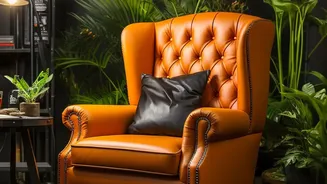
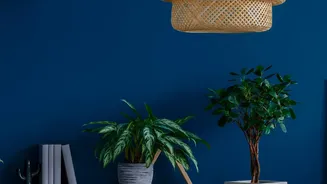
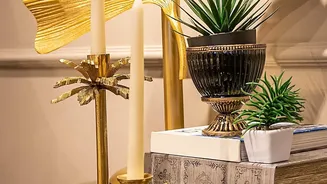
Plants are a living, breathing way to add texture and vitality to your decor. The variety in leaf shapes, sizes, and sheens can create a rich visual tapestry. A plant with large, bold leaves like a Monstera creates a dramatic statement, while a delicate fern offers softer, more intricate foliage. Trailing plants such as pothos or string of pearls can soften the hard edges of shelves and cabinets. To maximize textural impact, group plants of different heights and shapes together in a corner. Don't forget the planters—choosing pots made from different materials like concrete, glazed ceramic, or woven baskets adds another layer of texture.
5. Curate Tactile Art and Objects
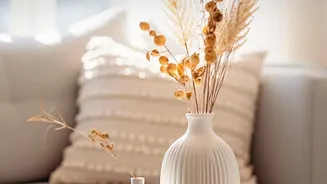
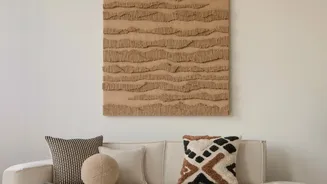
Art doesn't have to be purely visual; it can be tactile, too. Look for pieces that invite touch or have a strong three-dimensional quality. This could include sculptural plaster art, heavy impasto oil paintings, or woven wall hangings made from macrame or wool. These pieces serve as focal points that add a handcrafted, personal feel to your space. Beyond wall art, consider the decorative objects you display. A collection of ceramic vessels with different glazes, sculptural metal objects, or even a stack of art books can contribute to the room’s overall textural landscape. These items add depth and tell a story, making your home feel curated and unique.