

The Rise of a Calmer Buzz
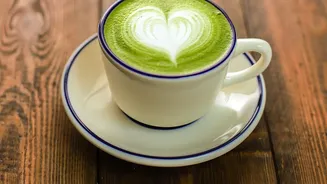
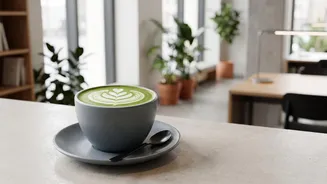
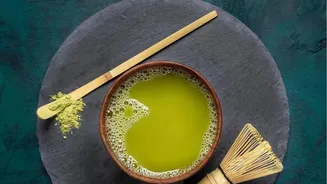
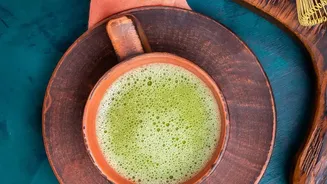
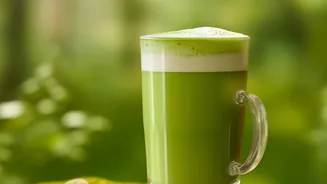
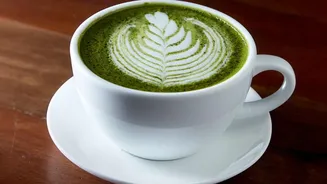
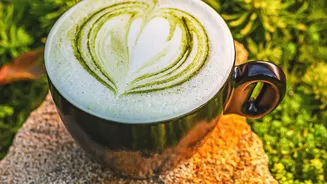
Walk into a co-working cafe in Mumbai, Bengaluru, or Delhi, and you are increasingly likely to see laptops illuminated by the glow of a bright green latte. Once a niche beverage, matcha is rapidly becoming a go-to drink for a new generation of Indian
professionals. This shift isn't just about trying something new; it's a deliberate choice reflecting a broader change in work culture. The frantic, high-energy 'hustle culture' is giving way to a desire for 'harmony culture'—a more balanced approach to productivity and well-being. Young workers, who are more conscious of mental health and burnout, are seeking ways to stay productive without the anxiety and jitters that can accompany multiple cups of strong coffee.
The Science of 'Calm Alertness'
So, why matcha? The answer lies in its unique biochemistry. While both coffee and matcha contain caffeine, matcha also boasts a high concentration of an amino acid called L-theanine. This powerful compound works in synergy with caffeine to create a state often described as 'calm alertness'. Instead of the sharp spike and subsequent crash associated with coffee, matcha provides a steadier, more sustained release of energy that can last for several hours. L-theanine promotes the production of alpha brain waves, which are linked to meditation and a state of relaxed concentration. The result is improved focus, attention, and memory, but without the restlessness or increased heart rate that coffee can sometimes trigger. For professionals facing long hours and complex tasks, this balanced boost is a significant advantage.
A Ritual for the Modern Worker
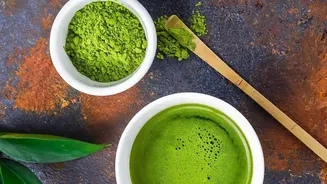
The appeal of matcha extends beyond its functional benefits. Preparing and drinking matcha is a mindful ritual in itself, a stark contrast to gulping down a quick coffee for a fast energy hit. This aligns perfectly with a growing interest in wellness and slow living among Indian millennials and Gen Z. The vibrant green colour is also highly aesthetic, making it a popular feature on social media and driving curiosity. The trend is so significant that Google searches in India for “how to make matcha” surged by 1300% in the last year, with related searches for “matcha kit” and “matcha whisk” also seeing breakout growth. This indicates a shift towards integrating matcha not just into cafe visits but into daily home and work routines.
How Co-Working Spaces Are Adapting
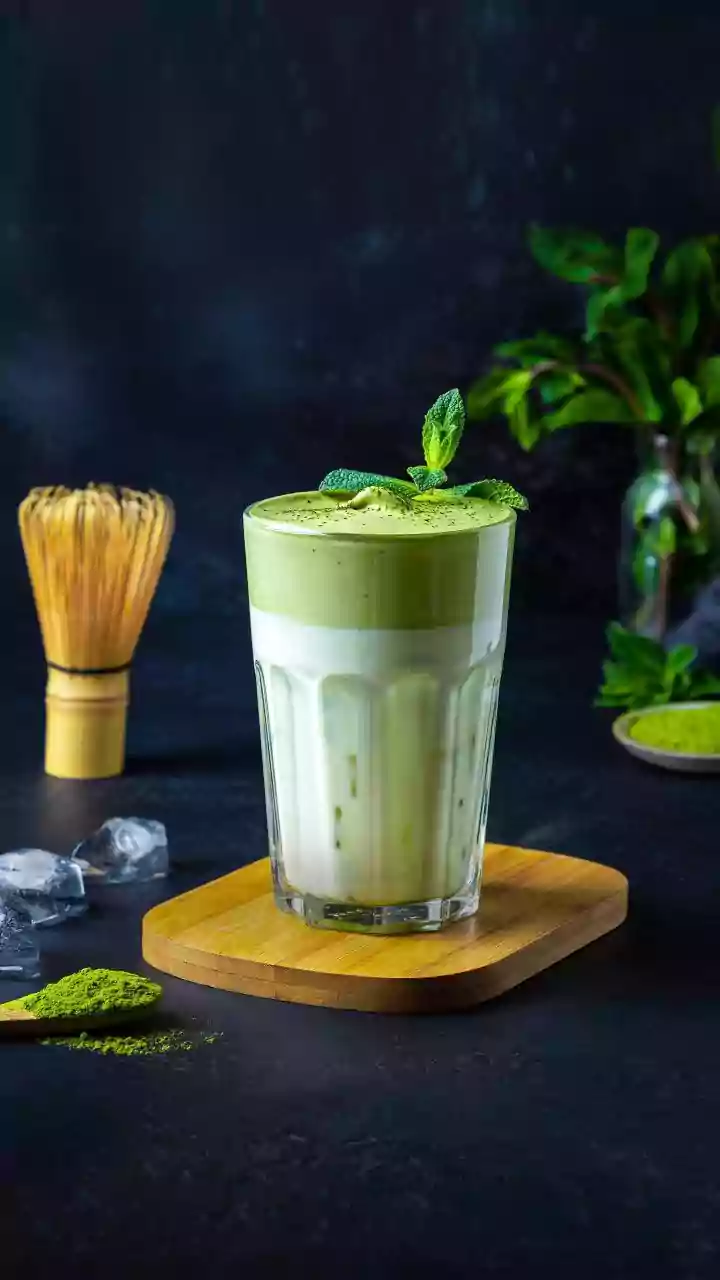
Co-working spaces and the cafes within them have been quick to respond to this green wave. Menus are expanding to include a variety of matcha drinks, from classic hot lattes to inventive combinations like coconut water matcha and mango matcha. Chains like Social have revamped their menus specifically to cater to this growing demand. This adaptation makes business sense; professionals are looking for workspaces that support their lifestyle choices, and offering a high-quality matcha is becoming as crucial as providing strong Wi-Fi. As the Indian matcha market is projected to grow significantly, valued at over $100 million in 2024, its presence in these modern workplaces is set to become even more prominent.