


More Than Just Holding Batter
We often think of a baking pan's job as simply containing batter. But in the science of baking, its role is far more active. The size and shape of a pan directly influence heat distribution, moisture evaporation, and ultimately, the texture and doneness
of your final product. When you scale a recipe, you change the total amount of batter, which alters its relationship with the pan. The most common mistake is focusing only on the pan's volume (how much it can hold) while ignoring its surface area and the resulting depth of the batter. These two factors are what truly dictate how something bakes.
Depth and Surface Area: The Real Deciders
Imagine you have a recipe for an 8-inch square pan and you want to make it in a 9-inch round one. While they hold a similar volume of batter, their shapes change everything. A wider, shallower pan exposes more of the batter's surface to the oven's heat. This means moisture evaporates faster and the center cooks more quickly. Conversely, if you pour that same amount of batter into a smaller, deeper pan, the center is now further from the hot edges and surface. It will take significantly longer for heat to penetrate, creating a high-risk situation: by the time the middle is cooked through, the edges are likely to be burnt and dry. This depth issue is why simply doubling a cake recipe and baking it in one extra-large pan is a recipe for disaster; it’s better to use two pans of the original size.
How to Adjust for Different Pans
When you have no choice but to switch pan sizes, you need to adjust more than just the ingredients. As a general rule, if you move batter to a larger, shallower pan, it will bake faster. You should consider slightly increasing the oven temperature and start checking for doneness about 10-15 minutes earlier than the original recipe suggests. If you're using a smaller, deeper pan, you need to give the center time to cook without scorching the outside. To do this, lower the oven temperature by about 25°F (around 15°C) and expect to increase the baking time. Start checking at the original time, but be prepared for it to take up to 25% longer. Regardless of the adjustments, the toothpick test is your most reliable guide; never rely on time alone.
The Material World: Glass vs. Metal
The material of your pan also plays a crucial role. Glass and metal conduct and retain heat very differently. Metal pans, particularly those made of aluminum, heat up and cool down quickly. This promotes faster browning and crispier edges, which is ideal for many cakes and brownies. Glass, on the other hand, is an insulator. It takes longer to heat up but holds onto that heat for a much longer time, even after you take it out of the oven. If you're switching from a metal pan to a glass one, a common recommendation is to lower the oven temperature by 25°F and potentially add 5 to 10 minutes to the baking time to ensure the center gets cooked without the edges overbaking. A dark metal pan absorbs more heat and can bake things faster than a light, shiny one, so you might need to reduce baking time slightly for those as well.
Specialty Pans and Other Considerations
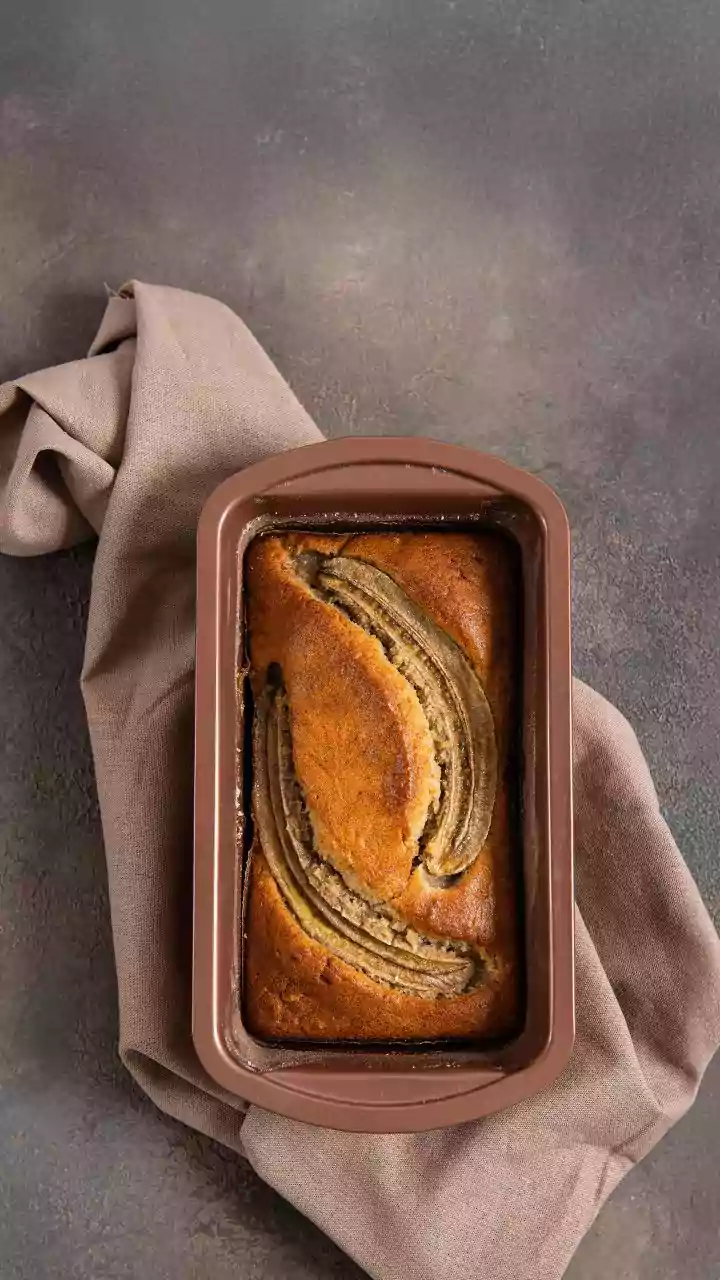
Loaf pans and bundt pans present their own unique challenges. Loaf pans can be deceptively different in size; a 9x5-inch pan holds nearly 20% more batter than an 8.5x4.5-inch one. Using the smaller pan for a recipe designed for the larger one can create a dense, dry loaf because of the extended baking time required. Bundt pans, with their central tube, are designed to solve the deep-pan problem by exposing more of the batter to direct heat, allowing for even cooking in what would otherwise be a very deep cake. When scaling a recipe, it's not just about linear multiplication of ingredients. Leavening agents like baking soda and powder don't always scale perfectly; you may need to adjust them slightly differently than the other ingredients.