



1. It Starts with Decluttering
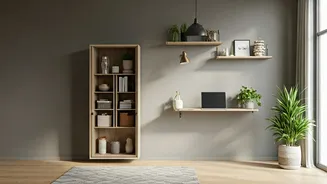
The most fundamental principle of minimalism is simple: own only what you need, use, or love. This isn't about stark, empty rooms; it's about intentionality. Every object in a room takes up not just physical space but visual space. The more items you have—from
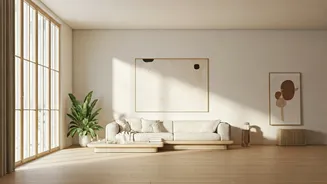
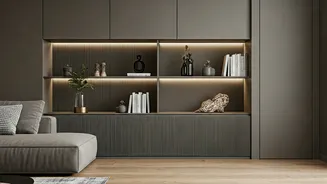
knick-knacks on a shelf to excess furniture—the more visual noise you create. This 'noise' makes a room feel crowded and chaotic, which the brain interprets as smaller. By clearing surfaces, editing your decor, and removing non-essential items, you immediately reduce this cognitive load. The result is a space that feels calmer, more organized, and significantly more expansive because your eyes have room to rest.
2. A Cohesive, Light Color Palette
Color is a designer’s most powerful tool for manipulating perception. Minimalist design leans heavily on light, neutral color palettes—think shades of white, soft gray, beige, and muted earth tones. These colors are highly reflective, meaning they bounce natural and artificial light around the room instead of absorbing it. A dark red wall might feel cozy, but it visually advances, making the room feel enclosed. A soft white wall, on the other hand, recedes, creating an airy, open atmosphere. Using a single, continuous color for walls, trim, and even the ceiling can further enhance this effect by blurring the boundaries of the room and tricking the eye into seeing one large, uninterrupted space.
3. Maximizing Every Source of Light
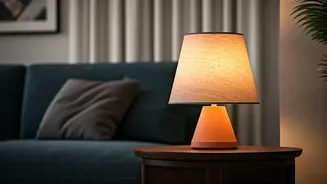
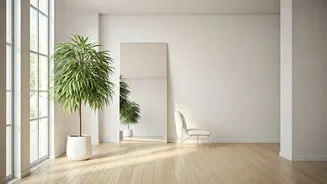
Light is the lifeblood of a spacious-feeling home. Minimalist design prioritizes maximizing it at every turn. This starts with unobstructed windows. Heavy, dark curtains can block a surprising amount of light even when open, so opt for sheer, lightweight drapes, simple blinds, or leave windows bare if privacy allows. Beyond windows, strategic placement of mirrors is a classic trick. A large mirror placed opposite a window will double the amount of light and create a powerful illusion of depth. For artificial lighting, minimalist interiors favor layered, functional light sources over a single, harsh overhead fixture. Think a sleek floor lamp, subtle recessed lighting, and a well-placed table lamp to create pools of light that make the space feel dynamic and inviting.
4. Furniture with a Purpose (and Legs)
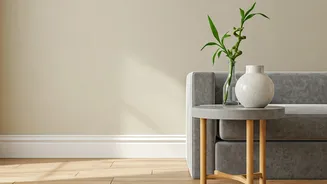
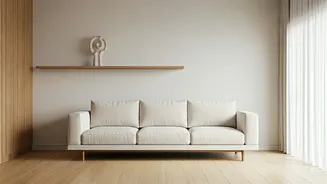
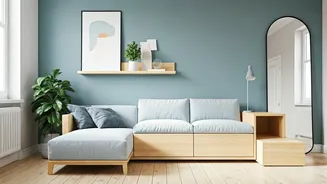
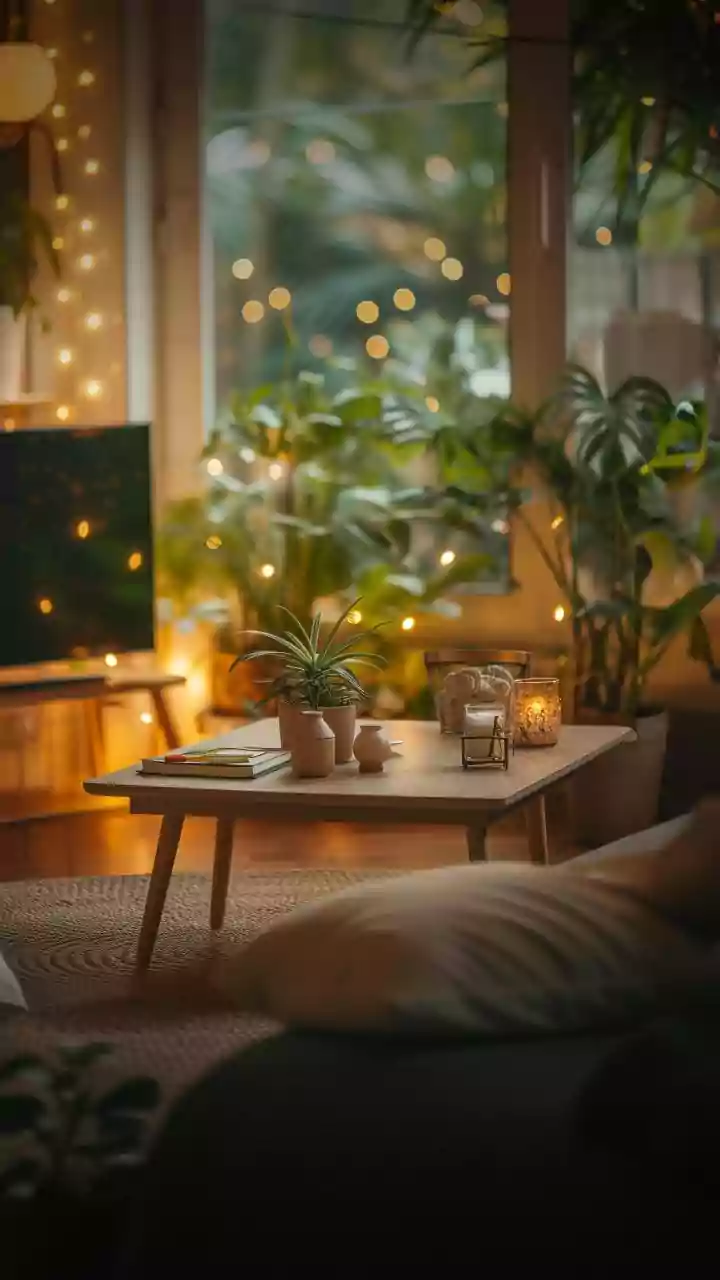
In a minimalist home, every piece of furniture earns its keep. The focus is on quality over quantity, choosing pieces with clean lines and a clear function. Scale is crucial; oversized, bulky furniture can dominate a room and make it feel cramped. Instead, look for pieces that are appropriately sized for the space. A clever trick is to choose furniture that is raised off the floor on legs—like a mid-century modern sofa or console. When you can see the floor underneath, it creates a sense of openness and flow, making the entire room feel larger. Multi-functional furniture, such as an ottoman with hidden storage or a coffee table with a lower shelf, also helps reduce the total number of pieces needed, further cutting down on clutter.
5. The Power of Negative Space
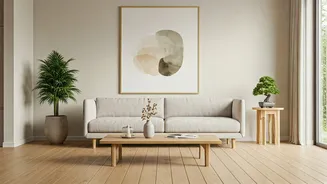
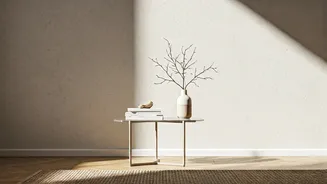
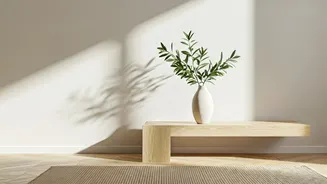
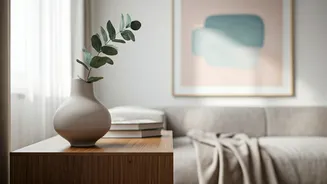
In art, negative space is the area around and between the subjects. In interior design, it's the empty space on your walls, floors, and surfaces. Minimalism teaches us to appreciate and utilize this 'emptiness.' Instead of filling every wall with art or every corner with a plant, allowing for blank space gives the existing elements room to breathe. A single, beautiful painting on a large, empty wall has far more impact than a crowded gallery wall. An uncluttered floor makes a room feel vast. This deliberate use of negative space directs the eye to what truly matters and prevents the visual overwhelm that makes a space feel small and claustrophobic.