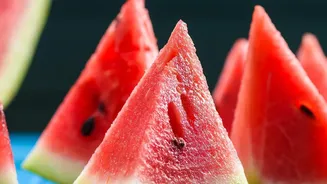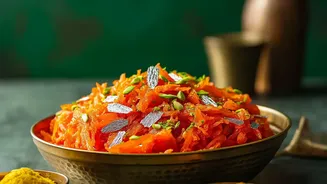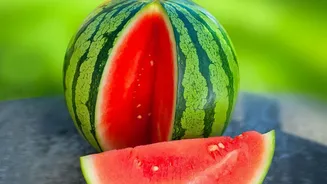




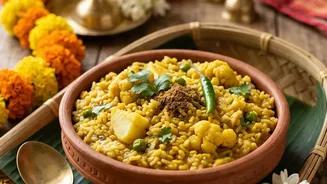
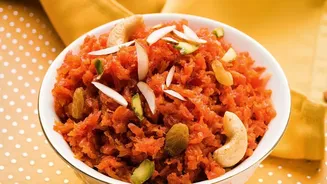

That thick, green and white watermelon rind usually goes straight into the bin. But what if we told you it's a versatile, nutritious, and surprisingly delicious ingredient hiding in plain sight? It's time to rethink food waste.
More Than Just Compost
Before you dismiss the rind
as scrap, consider what you're throwing away. The white part of the rind is packed with nutrients. It's a fantastic source of dietary fibre, which is great for digestion. It also contains vitamins A, C, and B6, along with minerals like potassium and zinc. But its real claim to fame is citrulline, an amino acid that the body converts into arginine. This process helps improve blood flow and circulation, which is why citrulline is linked to better heart health and even enhanced athletic performance. With fewer calories and less sugar than the pink flesh, the rind offers a healthy, crunchy alternative that’s as good for you as it is for reducing kitchen waste.
How to Prepare the Rind
Preparing the rind is simpler than you might think. First, slice the watermelon and enjoy the sweet, red fruit as you normally would. Once you have the leftover rind, use a sturdy vegetable peeler or a sharp knife to carefully remove the tough, dark green outer skin. This layer is too fibrous and doesn't soften well with cooking. You're left with the firm, pale white part of the rind, which is exactly what you want. Its texture is similar to a cucumber or a gourd, with a mild taste that makes it incredibly versatile. From here, you can chop it into cubes, slice it into strips, or even shred it, depending on what your recipe calls for.
A Staple in Indian Kitchens
In many Indian households, using the entire vegetable is a way of life, and the watermelon rind, or 'tarbooz ka chilka', is no exception. It is most popularly transformed into a simple and flavourful 'sabzi' (cooked vegetable dish). To make it, the prepared rind is cubed and cooked much like any other gourd. A common method involves tempering oil with cumin seeds, asafofoetida (hing), and turmeric, then sautéing the rind pieces with ginger, green chillies, and powdered spices like coriander and red chilli powder. It's cooked until tender, which can take about 15-20 minutes. Some regional variations, particularly in Gujarat, add a touch of jaggery for sweetness and kokum for a tangy finish, creating a delicious sweet and sour 'shaak' that pairs perfectly with hot chapatis or as a side with rice and dal.
Global Flavours and Sweet Treats
The rind's versatility extends far beyond a simple curry. Its crisp texture makes it perfect for pickling. Soaked in a brine of vinegar, sugar, salt, and spices, it transforms into a tangy and crunchy pickle that can liven up sandwiches and salads. For those with a sweet tooth, candying the rind is another classic preparation. This involves simmering strips of the rind in a sugar syrup until they become translucent and sweet, creating a treat similar to the famous Agra petha, which is made from ash gourd. You can also shred it raw into slaws, add it to stir-fries for a refreshing crunch, or even blend it into smoothies and juices for a nutritious boost.