





Pack It In, Pack It Out—And Then Some
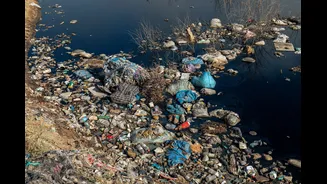
The golden rule of responsible trekking is simple: leave no trace. This means everything you carry into the wilderness must come back out with you. During the monsoon, this is more critical than ever. Wet conditions make litter more than just an eyesore;
it can leach pollutants into the soil and water. Go a step further than just managing your own waste. Carry an extra bag for any wrappers, bottles, or plastic you find along the trail. Many trekkers follow a 'plus-one' policy, aiming to leave the trail cleaner than they found it. This includes organic waste like fruit peels. While they are biodegradable, they can take a surprisingly long time to decompose at certain altitudes and can attract animals, altering their natural behaviour. The principle is to pack out absolutely everything.
Stick to the Beaten Path
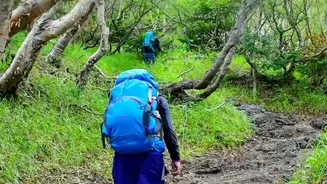
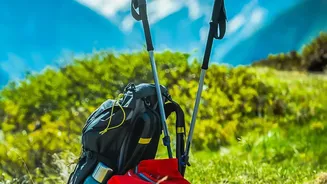
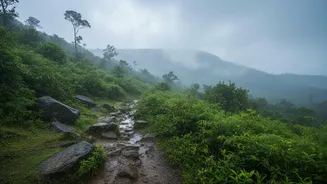
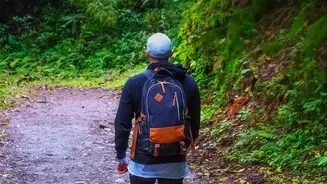
The monsoon-soaked earth is soft and highly susceptible to erosion. When you step off the marked trail, you trample delicate vegetation that is just beginning its seasonal growth. These plants help hold the soil together, and creating new paths can quickly lead to deep erosion scars, especially on slopes. These man-made channels concentrate rainwater, accelerating the loss of topsoil and degrading the entire ecosystem. It may be tempting to take a shortcut or find a wider berth around a puddle, but sticking to the designated path is one of the most effective ways to protect the trail's integrity. Using trekking poles can help you maintain balance on slippery or narrow sections without needing to step off the trail.
Keep Water Sources Pristine
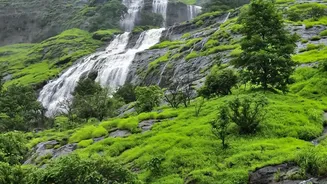
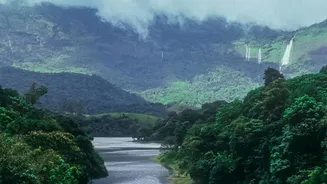
Monsoon treks are blessed with countless streams and waterfalls. These are not just scenic spots; they are lifelines for downstream ecosystems and human communities. Never use soaps, detergents, or shampoos in or near natural water sources. These products contain chemicals that can harm aquatic life by stripping fish of their protective mucus layer and causing algal blooms that deplete oxygen in the water. Even biodegradable soaps can cause damage. If you must wash, do it at least 200 feet away from any water body and use minimal, eco-friendly soap. Dig a small hole to dispose of the soapy water, allowing the soil to act as a natural filter. The same rule applies to human waste; it should be buried in a cathole far from water, trails, and campsites.
Respect the Local Wildlife
The monsoon is a crucial breeding season for many amphibians, insects, and other creatures in the Ghats. Your behaviour can have a significant impact on their survival. Keep noise levels to a minimum; avoid shouting or playing loud music, which can distress animals and interfere with their mating calls. Never feed wild animals. It makes them dependent on humans, can make them aggressive, and the food we eat is often harmful to them. Be particularly mindful at night. Use a headlamp with a red light setting where possible, as bright white lights can disorient nocturnal creatures. Leeches are a common part of the monsoon ecosystem; while they can be a nuisance, they are not dangerous. Use leech socks or tuck your pants into your socks rather than using salt, which harms the soil.
Choose Reusable Over Disposable
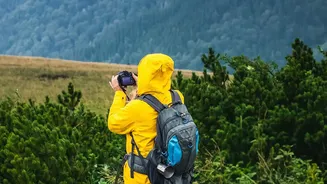
Minimising your footprint starts before you even hit the trail. Opt for reusable gear to cut down on single-use waste. Instead of buying plastic water bottles, carry a reusable one; most trails have access to fillable water sources or you can carry enough for your trip. Pack your snacks and lunch in reusable containers. Instead of a flimsy disposable poncho that tears easily and becomes trash, invest in a durable raincoat that will last for many seasons. These choices not only reduce the amount of potential litter but also promote a mindset of mindful consumption, which is the cornerstone of sustainable travel.
Support Local, Stay Low-Impact
A truly sustainable trek also considers the human ecosystem. Whenever possible, hire a local guide. They possess invaluable knowledge of the terrain, weather, and ecology, and your fee directly supports their family and community. If you are staying overnight, choose local homestays over large resorts. This provides a more authentic cultural experience and ensures that tourism revenue benefits the local economy directly. Eating local food also reduces the carbon footprint associated with transporting ingredients from far away. By making choices that empower the local community, you contribute to a system where the preservation of the natural environment is also in the best economic interest of the people who live there.