
The Science of Protein and Muscle
Think of protein as the ultimate repair crew for your body. After a workout, your muscle fibres have tiny tears, and it’s protein that swoops in to rebuild them, making them stronger. But for this to happen, your body needs the right materials. These
materials are called amino acids, the fundamental building blocks of protein. Our bodies can produce some amino acids on their own, but there are nine, known as essential amino acids, that we must get from food. When a food source contains all nine of these in adequate amounts, it's called a 'complete protein'. This is crucial for muscle protein synthesis, the process of creating new muscle tissue.
The Plant Protein Challenge
Animal products like meat, eggs, and dairy are all complete proteins, which has historically led to the belief that they are superior for muscle growth. Most plant-based foods, on the other hand, are considered 'incomplete' proteins because they are low in one or more of the essential amino acids. This doesn't make them inferior, it just means they need a partner. This is where the concept of protein complementation comes in, a technique that has been used in traditional diets across the world for centuries, long before the science was understood.
The Power of Pairing: Grains and Legumes
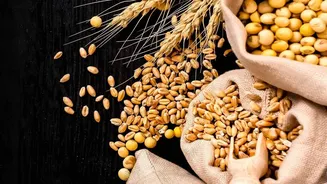
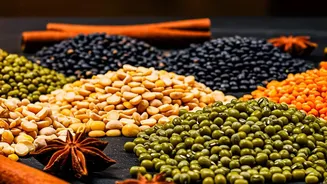
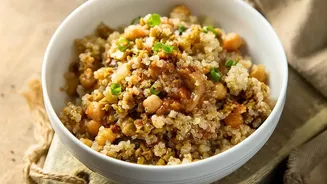
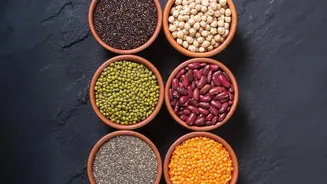
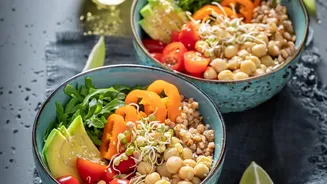
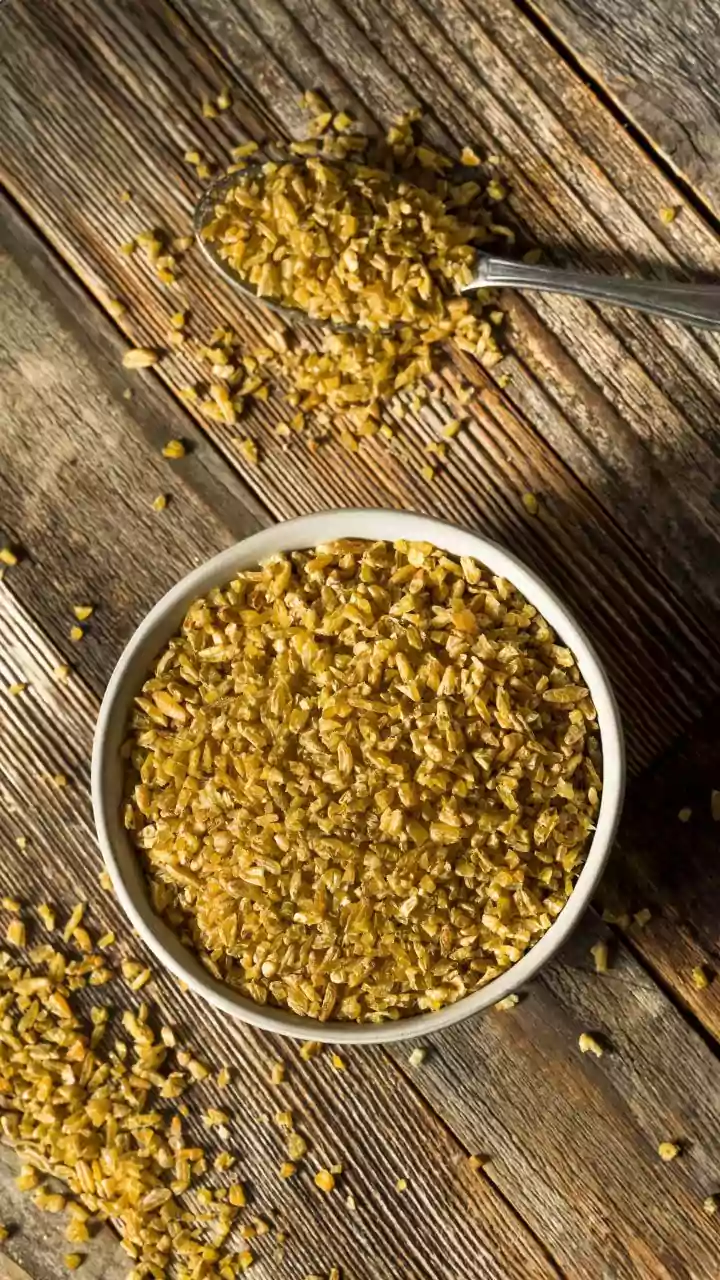
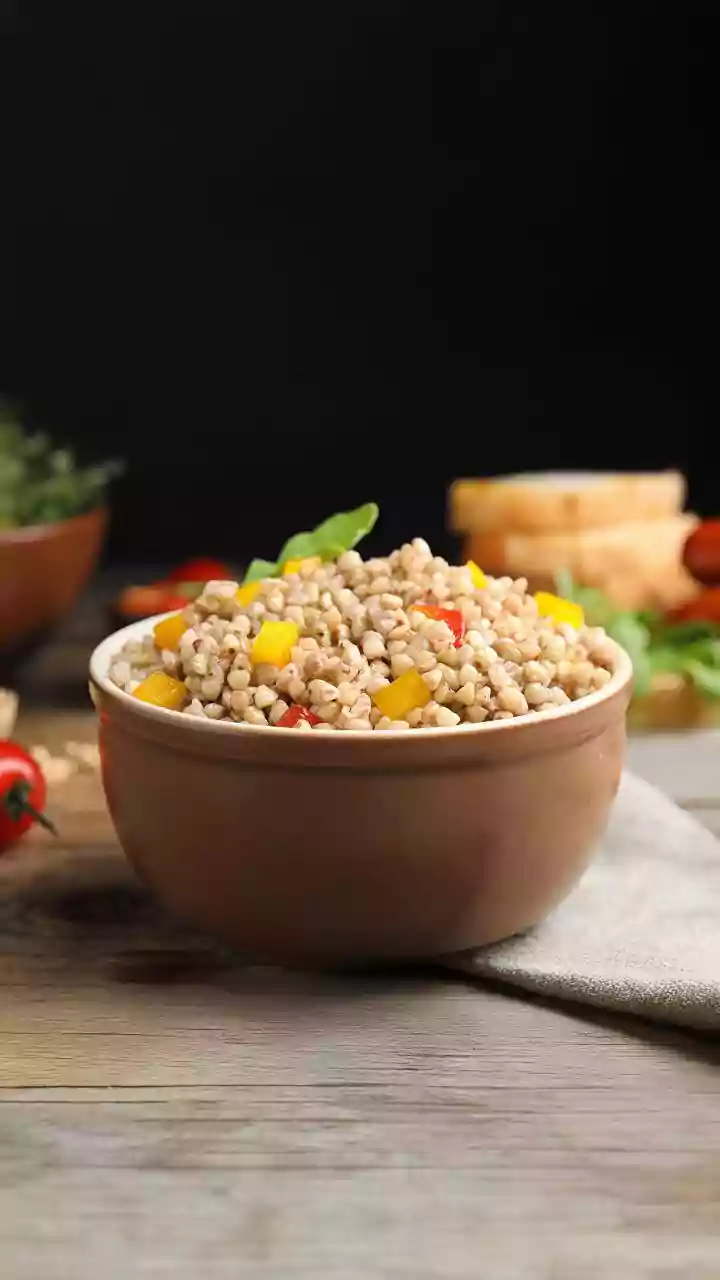
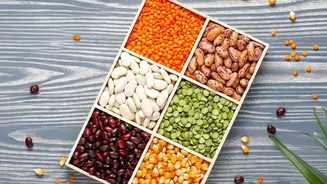
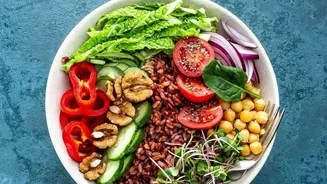
This is where the magic happens for vegetarians. Whole grains (like wheat, rice, and oats) and legumes (like lentils, beans, and chickpeas) have what the other lacks. Grains are typically low in the essential amino acid lysine but contain ample methionine. Legumes are the exact opposite: they are rich in lysine but low in methionine. When you eat them together, their amino acid profiles complement each other, filling in the gaps. This combination creates a high-quality, complete protein profile that provides your body with all the necessary building blocks for effective muscle repair and growth.
Your Ultimate Indian Power Plate
The best part is that this nutritional strategy is already at the heart of traditional Indian cuisine. You don't need to look for exotic ingredients; these powerful combinations are likely already on your plate. Classic examples include dal with rice, a staple across the country that perfectly marries a legume with a grain. Similarly, enjoying rotis (whole wheat) with a dal or a chickpea curry (chana masala) achieves the same powerful protein pairing. Other fantastic and familiar options include khichdi (rice and lentils cooked together), idli or dosa (fermented rice and lentil batter) served with sambar (a lentil-based stew), and even a simple rajma-chawal.
Timing and Tips for Best Results
To maximize muscle repair, consuming this combination post-workout can be particularly effective. The protein helps with muscle synthesis, while the carbohydrates from the grains help to replenish your energy stores. While older advice suggested you needed to eat these complementary proteins in the very same meal, modern nutrition science indicates that as long as you eat a variety of plant protein sources throughout the day, your body can pool the amino acids to get what it needs. For those with high protein needs, such as athletes, aiming for 1.2 to 2.0 grams of protein per kilogram of body weight is a common recommendation. Focusing on whole food combinations like these will help you meet that goal effectively.