





The Modern Pressure Cooker
From competitive exams to the first few years on the job, life for students and young professionals can often feel like a relentless cycle of pressure. The demands of academia and the workplace contribute to high levels of stress and anxiety. This constant
state of 'fight-or-flight' can take a toll on both mental and physical health, making it difficult to concentrate, sleep, and maintain a sense of well-being. Finding a sustainable way to manage this pressure is not a luxury, but a necessity for long-term health and success.
How Yoga Calms the Mind
Yoga works its magic by directly influencing the body's stress-response system. The practice combines physical postures (asanas), breathing exercises (pranayama), and meditation, which together help activate the parasympathetic nervous system—our body's 'rest and digest' mode. This process helps lower levels of the stress hormone cortisol. Furthermore, studies suggest yoga can increase levels of a brain chemical called gamma-aminobutyric acid (GABA), which is associated with better mood and decreased anxiety. By consciously moving and breathing, you are essentially training your brain and body to react to stress in a more measured way.
Your Anxiety-Relief Starter Kit
You don't need to be a seasoned yogi to reap the benefits. Incorporating a few simple, intentional stretches into your daily routine can make a significant difference. These poses are specifically chosen for their calming and grounding effects. - Child's Pose (Balasana): This resting pose is deeply restorative. Kneel on the floor, sit back on your heels, and fold forward, resting your forehead on the mat. It gently stretches the back and promotes a sense of safety and calm. - Cat-Cow Stretch (Marjaryasana-Bitilasana): Moving on your hands and knees, you'll arch your back like a cat and then dip it like a cow. This simple flow releases tension in the spine and encourages a connection between breath and movement. - Legs-Up-The-Wall (Viparita Karani): As simple as it sounds, lie on your back and rest your legs vertically against a wall. This pose is incredibly effective for calming the nervous system, reducing fatigue, and improving circulation.
The Breath as an Anchor
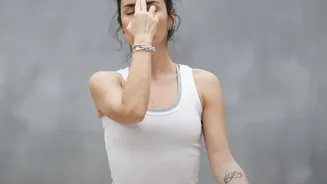
Perhaps the most powerful and accessible tool in yoga is the breath. Pranayama, or yogic breathing, teaches you to regulate your breath to influence your state of mind. When you feel overwhelmed, try this simple technique: - Alternate Nostril Breathing (Nadi Shodhana): Sit comfortably. Use your right thumb to close your right nostril and inhale slowly through the left. Then, close the left nostril with your ring finger, release the thumb, and exhale through the right. Inhale through the right, close it, and exhale through the left. This completes one round. Continuing for a few minutes can help balance the mind and soothe anxiety.
Building a Consistent Practice
The key to unlocking yoga's benefits is consistency, not intensity. Even 10-15 minutes a day can have a profound impact on your mental well-being. Create a quiet space, put away your phone, and allow yourself this time to simply be present. Don't worry about achieving perfect poses. The goal is to focus on how you feel, not how you look. Over time, this practice of showing up on your mat becomes a powerful ritual of self-care, building a foundation of inner strength and calm that extends far beyond the yoga session itself.