






Punjab: Sarson da Saag and Makki di Roti
This iconic duo is the undisputed king of winter comfort food in Northern India. Sarson da Saag is a robust and flavourful curry made from mustard greens (sarson), which are at their peak during the colder months. Often blended with other greens like
spinach and bathua (goosefoot) for a more complex flavour, the saag is slow-cooked for hours until it reaches a creamy, rustic consistency. It is traditionally served with Makki di Roti, a flatbread made from maize flour. The slightly sweet, earthy taste of the roti perfectly complements the pungent, spicy notes of the saag. A generous dollop of white butter or ghee on top is non-negotiable, adding a final layer of richness that makes this meal a true winter warmer.
Rajasthan: Gond ke Laddoo
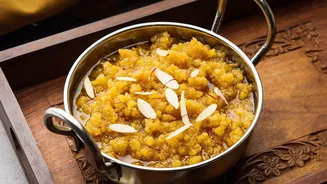
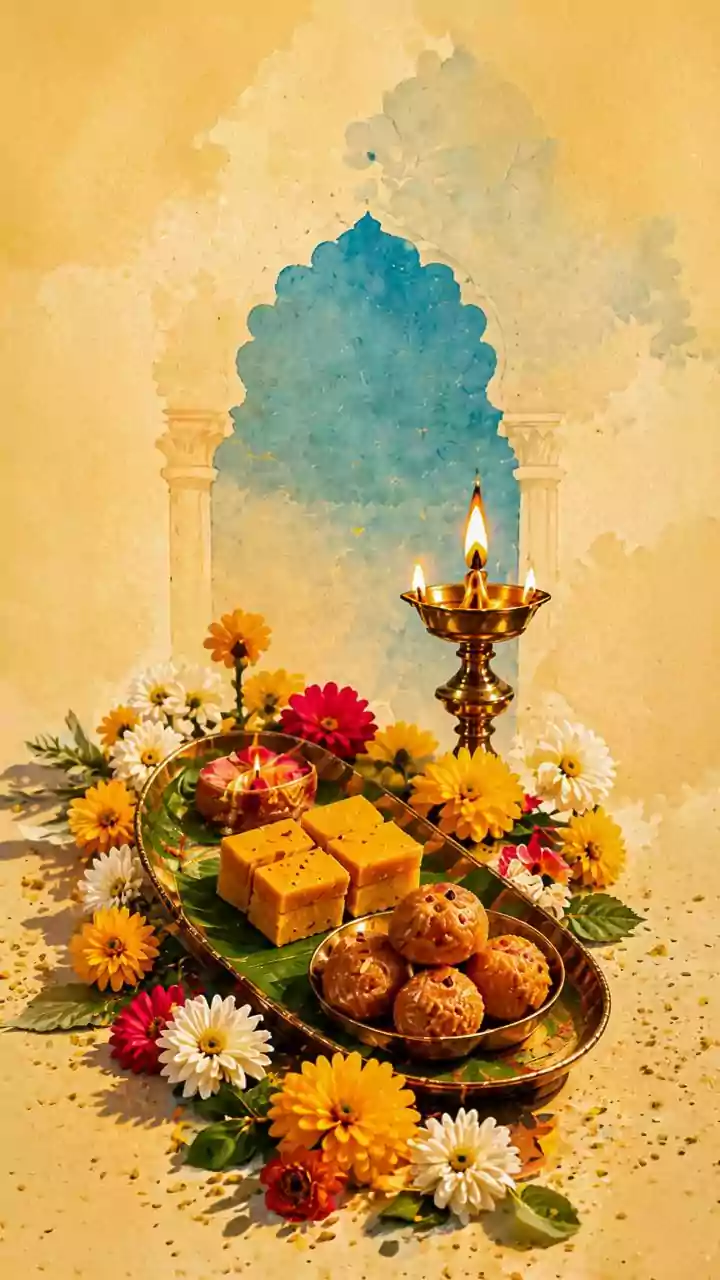
When the desert state of Rajasthan feels the winter chill, locals turn to ingredients that provide internal warmth and sustained energy. Gond ke Laddoos are a prime example. These nutrient-dense sweet balls are made with 'gond', an edible gum derived from the sap of acacia trees. The gond is first fried in ghee, causing it to puff up into crispy, edible crystals. This is then mixed with whole wheat flour, sugar or jaggery, and a generous amount of nuts and seeds. Revered in Ayurveda for its warming properties, gond is known to boost immunity and strengthen bones, making these laddoos a popular and delicious winter superfood.
Gujarat: Undhiyu
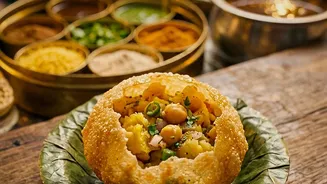
Undhiyu is a quintessential Gujarati winter specialty, a complex one-pot dish that celebrates the season's bounty. Its name comes from the Gujarati word 'undhu', meaning 'upside down', which refers to the traditional method of cooking the dish underground in sealed earthen pots. This slow-cooking method allows the flavours to meld beautifully. The dish is a medley of winter vegetables like surti papdi (hyacinth beans), purple yam, sweet potatoes, baby eggplants, and raw bananas. These vegetables are stuffed with a fragrant masala of coconut, coriander, and spices, and complemented by 'muthia' (spiced fenugreek dumplings). The result is a smoky, aromatic, and hearty dish that is famously enjoyed during the kite festival of Uttarayan.
West Bengal: Nolen Gurer Payesh
Winter in Bengal is synonymous with the arrival of Nolen Gur, or fresh date palm jaggery. This liquid gold, with its unique smoky aroma and caramel-like sweetness, is only available during the cold months when the sap can be tapped from date palm trees. One of the most beloved preparations using this seasonal ingredient is Nolen Gurer Payesh. It is a creamy rice pudding where slow-cooked rice and full-fat milk are sweetened not with sugar, but with this special jaggery. The gur imparts a beautiful light brown colour and a flavour that is deeply complex and comforting, making it a dessert that Bengalis eagerly await all year.
Kashmir: Harisa
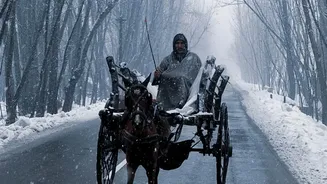
To combat the freezing temperatures of a Kashmiri winter, nothing comes close to the warming power of Harisa. This rich, porridge-like dish is a centuries-old delicacy, traditionally eaten for breakfast to provide sustenance for the day. The preparation is laborious, often starting the previous day. It involves slow-cooking mutton with rice and a blend of aromatic spices like fennel, cardamom, and cinnamon for many hours until the meat is incredibly tender and blends into a smooth, paste-like consistency. Served piping hot, often topped with sizzling hot oil and fried onions, Harisa is more than just a meal; it's a ritual and a comforting embrace against the harsh winter cold.
Tamil Nadu: Pongal
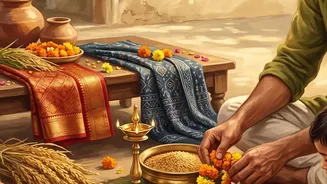
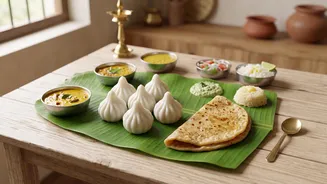
While winters in Tamil Nadu are milder, the season, particularly the month of Margazhi (mid-December to mid-January), is marked by the celebration of Pongal, the harvest festival. The dish of the same name is central to the festivities. Ven Pongal, the savoury version, is a comforting and creamy preparation of newly harvested rice and moong dal, cooked together and tempered with black peppercorns, cumin, and ginger in a generous amount of ghee. Its warm and peppery notes are particularly soothing on cooler mornings. The sweet counterpart, Sakkarai Pongal, uses jaggery, cardamom, and cashews, offering another form of festive warmth. Both are first offered as 'prasadam' and are a staple winter comfort food in the region.