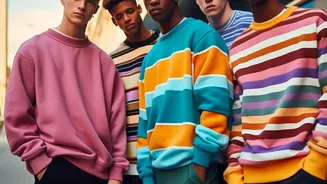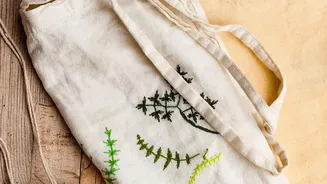




The festive season brings a familiar dilemma: stunning but stuffy partywear. But a quiet revolution is happening in Indian wardrobes as many now favour the breezy comfort of handloom cotton over the restrictive sheen of synthetics.
The Great Wardrobe Shift
For years, the go-to
choice for any celebration, from weddings to festivals, was something sparkly, synthetic, and striking. Polyester, nylon, and rayon blends offered vibrant colours and a certain glamour at an affordable price. Yet, a change is underway. An increasing number of style-conscious individuals are looking past the gloss and rediscovering the elegance of regional textiles. This isn't just about nostalgia; it’s a deliberate choice driven by comfort, sustainability, and a desire for authenticity. Handloom cotton, once seen as daily wear, is now being elegantly adapted for festive occasions, signalling a major shift in sartorial preferences.
The Unbeatable Comfort of Cotton
The primary driver behind this trend is comfort, especially in India’s predominantly hot and humid climate. Synthetic fabrics are essentially plastics, and they don't breathe. They trap heat and moisture, leading to a sticky, uncomfortable feeling during long events. Lightweight handloom cotton, by contrast, is exceptionally breathable. Its natural fibres allow air to circulate freely, regulating body temperature and wicking away sweat. This means you can dance, socialize, and celebrate for hours without feeling constricted or overheated. Furthermore, handloom cotton is hypoallergenic and gentle on the skin, reducing the risk of irritation and rashes often associated with chemically treated synthetics.
A Vote for Sustainability
The growing awareness of fast fashion's environmental toll is another significant factor. Synthetic fabrics are petroleum-based, energy-intensive to produce, and non-biodegradable, meaning a polyester dress can sit in a landfill for centuries. Every time they are washed, they shed microplastics into our waterways, contributing to a global pollution crisis. Handloom, on the other hand, represents a more conscious choice. The production process often uses minimal electricity, supports the livelihoods of millions of artisans, and results in a biodegradable product that returns to the earth. Choosing a handloom garment is a vote for slower, more ethical fashion cycles.
The Allure of Authenticity
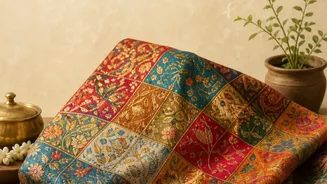
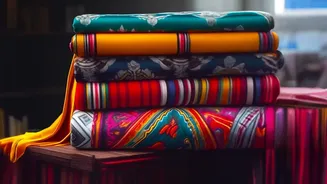
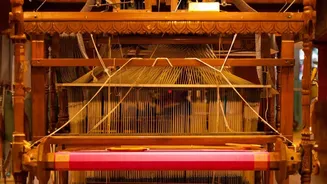
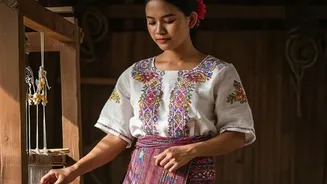
Beyond the practical benefits, there's a powerful cultural pull. Each handloom weave tells a story of heritage, with distinct patterns and techniques from regions like Bengal, Telangana, or Gujarat. In a world of mass-produced uniformity, a handloom saree or dress offers a unique identity. These textiles possess a character and texture that machines cannot replicate; small variations in the weave are not defects but signs of human artistry. This revival of regional textiles allows individuals to connect with their cultural roots while making a sophisticated style statement.
Styling Handloom for the Party
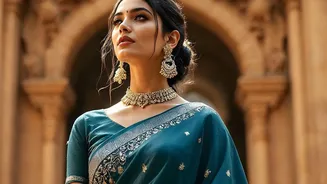
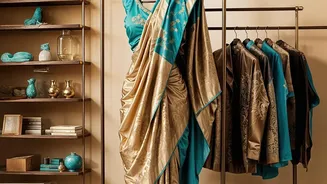
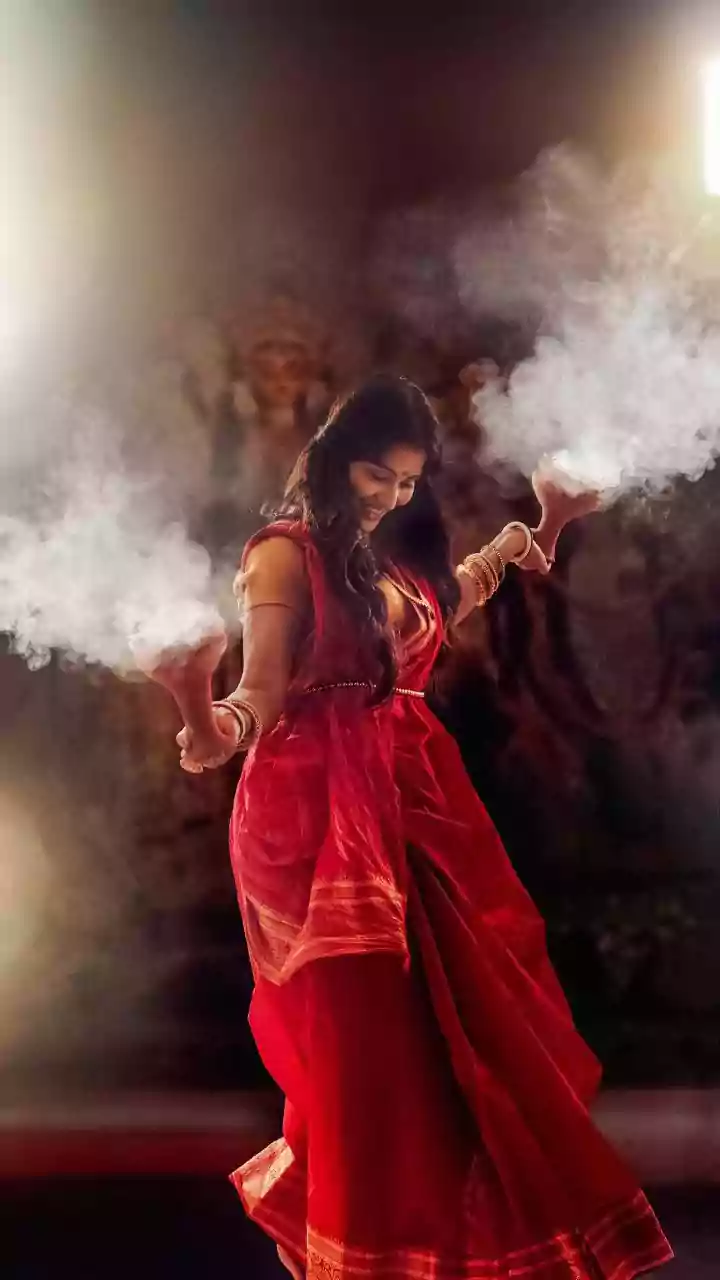
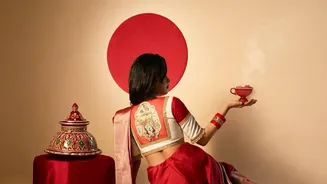
The idea that cotton is too plain for a party is outdated. Contemporary designers are reinterpreting handloom fabrics into modern silhouettes, from chic co-ord sets to elegant dresses and sarees perfect for any celebration. The key is in the styling. A simple handloom cotton saree can be elevated with a statement blouse, be it a brocade, a contemporary crop top, or a sleeveless design. Pairing it with bold silver jewellery, a classic bindi, or even a sleek belt can transform the look from day to night. For men, a well-fitted handloom kurta or a smartly tailored shirt offers a refined and comfortable alternative to a synthetic suit.