








The Illusion of Health on Aisle Five
Walk down any supermarket aisle and you’ll be bombarded by a cacophony of health claims. 'No Added Sugar', 'Made with Whole Grains', 'Cholesterol-Free'. These phrases are designed to make us feel good about our choices. Yet, they often create a misleading
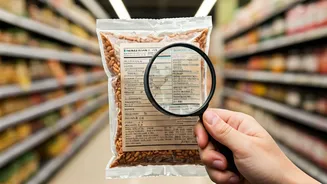
'health halo' around products that are anything but healthy. A 'no added sugar' drink might be loaded with artificial sweeteners, and 'cholesterol-free' is a given for most plant-based products, but that doesn't mean a packet of chips is suddenly a health food. Studies show that most Indian consumers check the brand and expiry date, but skip the complex nutritional information on the back, making them vulnerable to these marketing tactics. This isn't informed choice; it's a carefully constructed illusion that prioritises sales over public health.
The Real Cost of Confusion
This confusion isn't just a minor inconvenience; it has severe public health consequences. India is facing a silent epidemic of non-communicable diseases (NCDs) like diabetes, obesity, and heart disease. Unhealthy diets are a major driver, accounting for around 56% of India's total disease burden. The widespread availability and aggressive marketing of ultra-processed foods, which are often high in fat, sugar, and salt (HFSS), are directly linked to this crisis. When a 'health drink' is found to be just a sugary beverage or when 'trans-fat free' snacks are packed with sodium, consumers are unknowingly contributing to long-term health risks. The lack of clear, honest labelling is not just a regulatory failure; it's a health crisis in the making.
The Promise of Front-of-Pack Labelling
There is a solution that has proven effective globally: mandatory Front-of-Pack Labelling (FoPL). Instead of hiding complex data on the back, FoPL uses simple, at-a-glance graphics on the front to warn consumers if a product is high in sugar, salt, or fat. The Food Safety and Standards Authority of India (FSSAI) has been deliberating on this, proposing an 'Indian Nutrition Rating' (INR) system, which would use stars to rate a product's healthiness. However, many public health experts argue that a star-rating system can be confusing and create a false 'health halo'. They advocate for clear warning labels, like the octagonal 'stop signs' used in countries like Chile and Mexico, which have successfully pushed people toward healthier choices and even encouraged manufacturers to reformulate their products to be healthier.
What 'Label Discipline' Really Means
The call for 'label discipline' is a demand for a system that serves the consumer, not just the corporation. It means three things. First, standardisation. A 'high sugar' warning should mean the same thing on a box of cereal and a bottle of juice, based on clear, scientifically-backed thresholds. Second, clarity over clutter. Simple, interpretive symbols like warning signs are more effective for quick decision-making than star ratings or complex percentages. Third, accountability. The rules must be mandatory, with strict penalties for misleading claims and non-compliance. This isn't about banning products or limiting choice. It's about empowering consumers with the honest information they need to make genuinely informed decisions for themselves and their families.