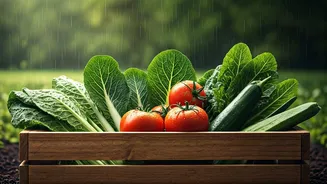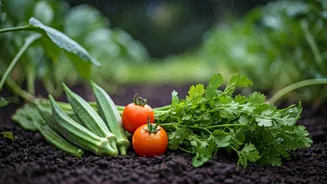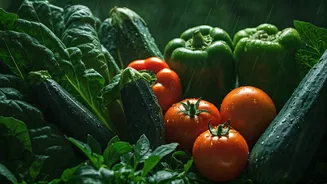




Why the Monsoon is a Gardener's Best Friend
Gardening in the monsoon might seem counterintuitive with the constant downpours, but it’s actually an ideal time to grow certain vegetables. The high humidity and naturally abundant water create a perfect nursery for many plants that thrive in these
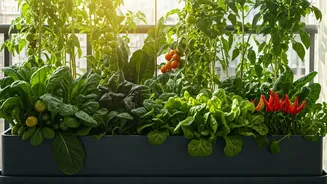
conditions. Your main job is to ensure good drainage to prevent waterlogging. By choosing the right vegetables, you can enjoy a continuous harvest, reduce your reliance on market produce that has travelled long distances, and save a significant amount of money. Plus, there’s nothing quite like cooking with vegetables you’ve grown yourself.
1. Bhindi (Okra)
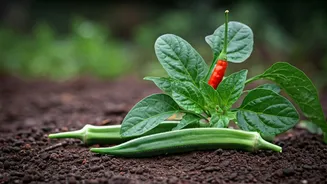
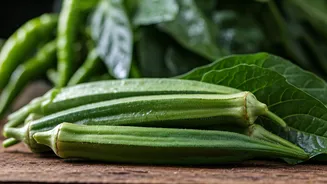
A staple in Indian kitchens, bhindi absolutely loves the warm and humid weather of the monsoon. It's a relatively low-maintenance plant that yields prolifically. A few well-cared-for plants can provide enough okra for a small family two to three times a week. **How to Grow:** Sow seeds directly into a large pot (at least 12 inches deep) or in a garden bed. Ensure the soil is well-draining. Bhindi plants need about 5-6 hours of sunlight. You can start harvesting tender pods about 45-50 days after sowing. The key is to pick them while they are young and tender; leaving them on the plant too long makes them woody.
2. Gourd Family (Lauki, Turai, Karela)
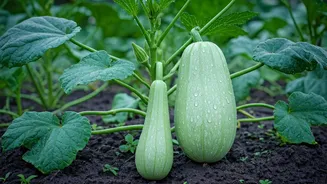
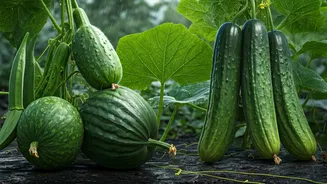
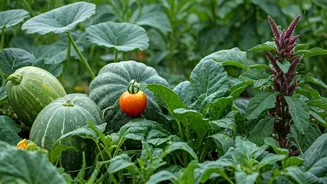
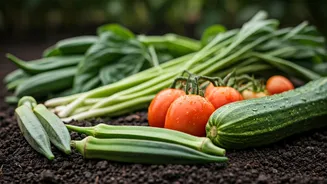
The rainy season is the prime time for climbers. Bottle gourd (lauki), ridge gourd (turai), and bitter gourd (karela) grow vigorously during this period. Their broad leaves soak up the monsoon atmosphere, and their vines will happily cover any trellis or support you provide. Since these are highly productive, even one or two vines can drastically reduce your spending on these common vegetables. **How to Grow:** Sow 2-3 seeds in a large container or grow bag. These are heavy feeders, so use a rich compost mix. Provide a strong trellis for them to climb. Protect young plants from heavy rain initially. Once established, they grow fast and you can expect your first harvest in about 60-70 days.
3. Beans (Sem Phali)
Cluster beans, French beans, and long beans (sem phali) are fantastic choices for the monsoon. They are legumes, which means they fix nitrogen in the soil, improving its fertility for future plants. They are also easy to grow and produce a steady supply of beans throughout the season. **How to Grow:** Most beans come in bush or pole (climbing) varieties. Bush beans are great for smaller pots, while pole beans will need a trellis. Sow the seeds directly into your chosen spot. They don't like to be transplanted. With adequate sunlight and water, you’ll be harvesting fresh beans in under two months.
4. Leafy Greens (Palak, Amaranth)
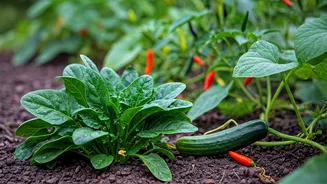
While many delicate leafy greens can rot in heavy rain, hardy varieties like spinach (palak) and amaranth (chaulai) do surprisingly well, especially if you provide some overhead protection from the heaviest downpours. They grow quickly, allowing for multiple harvests from the same set of plants. This is a great way to ensure a supply of fresh greens when market quality can be poor. **How to Grow:** Use wide, shallow containers. Scatter the seeds and cover with a thin layer of soil. Keep the soil moist. You can start harvesting the outer leaves in as little as 3-4 weeks, leaving the inner leaves to continue growing. This 'cut-and-come-again' method ensures a prolonged harvest.
5. Cucumber (Kheera)
Fresh, crunchy cucumbers are a delight, and they are surprisingly easy to grow in the monsoon. They are water-loving plants, but like all others on this list, they despise waterlogged roots. A trellis will help keep the fruits off the wet ground, preventing rot and saving space. **How to Grow:** Plant seeds in a large pot with good drainage and rich soil. Train the vine up a trellis or net. Cucumbers grow fast, and consistent watering is key. You can expect to harvest crisp cucumbers in 50-60 days. Growing your own means they will be far fresher and tastier than anything you can buy.