






The Philosophy of Fasting Food
Navratri fasting is a tradition with deep spiritual and scientific roots. The festival falls during seasonal transitions, a time when Ayurveda suggests our immunity can be vulnerable and digestion weaker. The fast is seen as a way to cleanse the body,
calm the mind, and give the digestive system a rest. Foods consumed during this period are 'sattvic', meaning they are considered pure, light, and calming to the mind and body. This is why stimulating (rajasic) foods like onion and garlic, and dulling (tamasic) foods like meat and alcohol are avoided. The focus shifts to fruits, dairy, and a specific set of grains and flours that provide nourishment without being heavy.
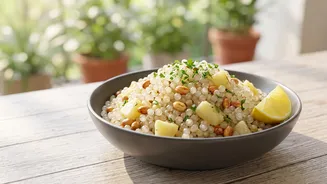
Sabudana Khichdi: The Energy Powerhouse
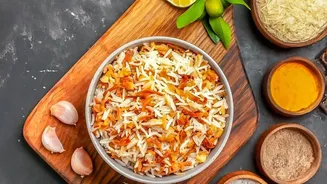
Sabudana, or tapioca pearls, is a fasting superstar for one primary reason: energy. As a pure carbohydrate, it provides a quick and easily digestible source of fuel, which is crucial for maintaining energy levels during a fast. While sabudana itself is low in protein and fibre, the magic lies in how it's prepared. When cooked into a khichdi with roasted peanuts, boiled potatoes, and mild spices like cumin and green chillies, it becomes a well-rounded meal. The peanuts add much-needed protein and healthy fats, while potatoes offer more carbs and substance, ensuring the dish is both comforting and satiating. Being naturally gluten-free, it is also gentle on the stomach.
Makhana Kheer: The Nutrient-Dense Delight
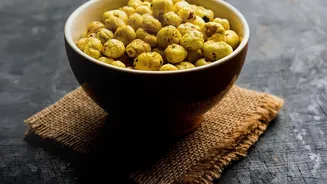
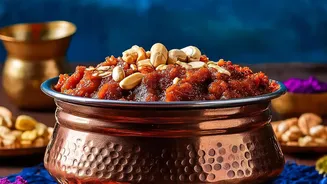
Makhana, or fox nuts, are the puffed seeds of the lotus plant and are prized as a 'vrat' food. They are incredibly light and low in calories, yet packed with nutrients. Makhana is a good source of protein, magnesium, potassium, and fibre, making it an excellent choice for a filling snack that doesn't feel heavy. When simmered with milk to make kheer, it transforms into a guilt-free dessert. This creamy, comforting pudding provides sustained energy and essential nutrients from both the makhana and the milk. Its low glycemic index is beneficial for maintaining steady blood sugar levels, preventing the energy spikes and crashes that can come from sugary foods.
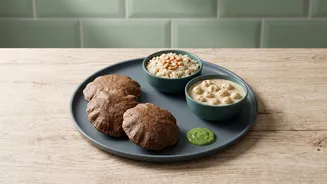
Kuttu Puris: The Traditional Grain-Free Staple
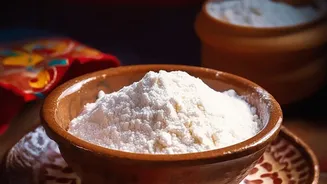
During Navratri, regular grains like wheat are avoided. This is where kuttu ka atta, or buckwheat flour, comes in. Despite its name, buckwheat is not a type of wheat but a fruit seed, making it permissible for fasting. Kuttu is a nutritional powerhouse, rich in high-quality protein, dietary fibre, and minerals like magnesium. This composition helps in managing blood sugar levels, improving digestion, and keeping you feeling full for longer. When made into puris and fried in ghee, it becomes a festive and satisfying part of a meal, often paired with a simple potato curry. The combination provides a complete meal that feels traditional and celebratory while adhering to the principles of fasting.