

Visa-Free Entry and Finding Flights
As of September 15, 2026, Indian passport holders can enter Thailand for tourism and stay for up to 30 days without a visa. This visa exemption simplifies travel, but you should still carry documents like a valid passport, proof of accommodation, and sufficient
funds (around 20,000 baht per person) in case immigration officials ask. The biggest expense is often the flight from India. To save money, book your tickets at least four to six weeks in advance. Use flight comparison websites to find the cheapest dates, and consider flying during the shoulder seasons (April-June and September-October) for lower fares. Budget airlines frequently offer deals from major Indian cities to Bangkok.
Structuring Your Multi-City Itinerary
A logical route is key to saving time and money. The most common and cost-effective plan is to fly into Bangkok (BKK), travel north to Chiang Mai, and then fly south to Krabi before flying out. Alternatively, you can reverse this route. For travel between Bangkok and Chiang Mai, overnight trains or buses are the most budget-friendly options, saving you the cost of a night's accommodation. A second-class sleeper train offers a comfortable journey. For the long journey from Chiang Mai to Krabi, a domestic flight is the most practical choice. While it costs more than a bus, it saves you over 24 hours of travel time. Booking these internal flights in advance with carriers like AirAsia or Nok Air can secure you a good price.
Bangkok: The Vibrant Capital on a Shoestring
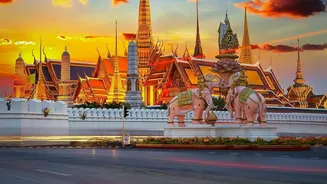
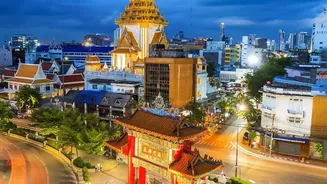
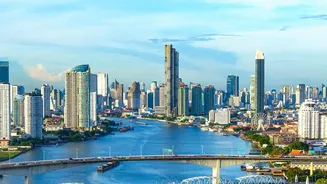
Bangkok can be surprisingly affordable. For accommodation, look for hostels or guesthouses in areas slightly away from the main tourist hubs but still close to the BTS Skytrain or MRT subway lines for easy transport. A day pass for the BTS makes exploring the city cheap and efficient. Embrace street food, which is not only delicious but also incredibly cheap; a full meal can cost less than 100 baht. Many of the city's main attractions are free or have a nominal entry fee. You can wander through Lumpini Park, explore the sprawling Chatuchat Weekend Market without buying anything, or visit many of the city's stunning temples for free. Even the famous Wat Arun has a very small entry fee to see the grounds up close.
Chiang Mai: Northern Charm and Low Costs
Chiang Mai is widely considered the budget capital of Thailand. Here, your money goes much further. Accommodation in guesthouses within the Old City walls is plentiful and affordable. The city is best explored on foot or by renting a bicycle for a small daily fee. For longer distances, the iconic red songthaews (shared taxis) offer cheap rides around town. The food scene is a major highlight, with night markets offering a vast array of delicious northern Thai dishes for very low prices. A bowl of the famous Khao Soi noodle soup is a must-try. Many of the 300-plus temples in Chiang Mai are free to enter, allowing you to immerse yourself in the local culture without spending a baht.
Krabi: Scenic Beaches Without the Splurge
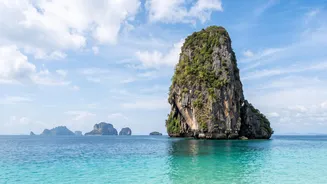
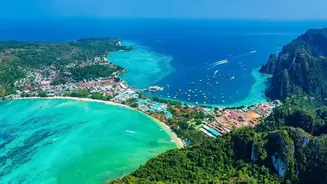
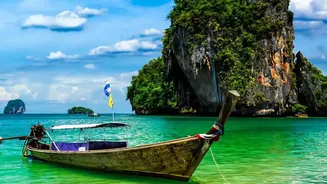
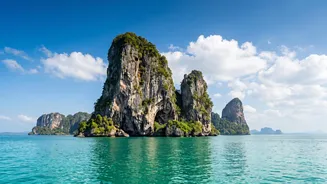
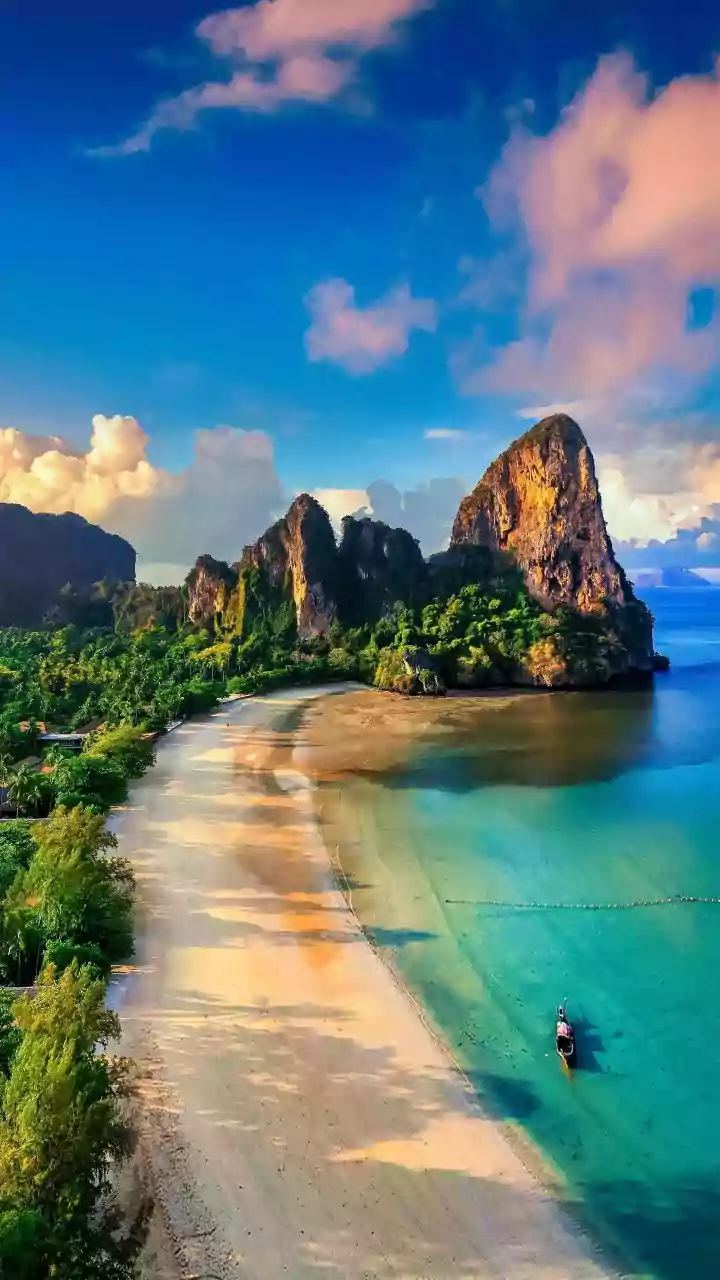
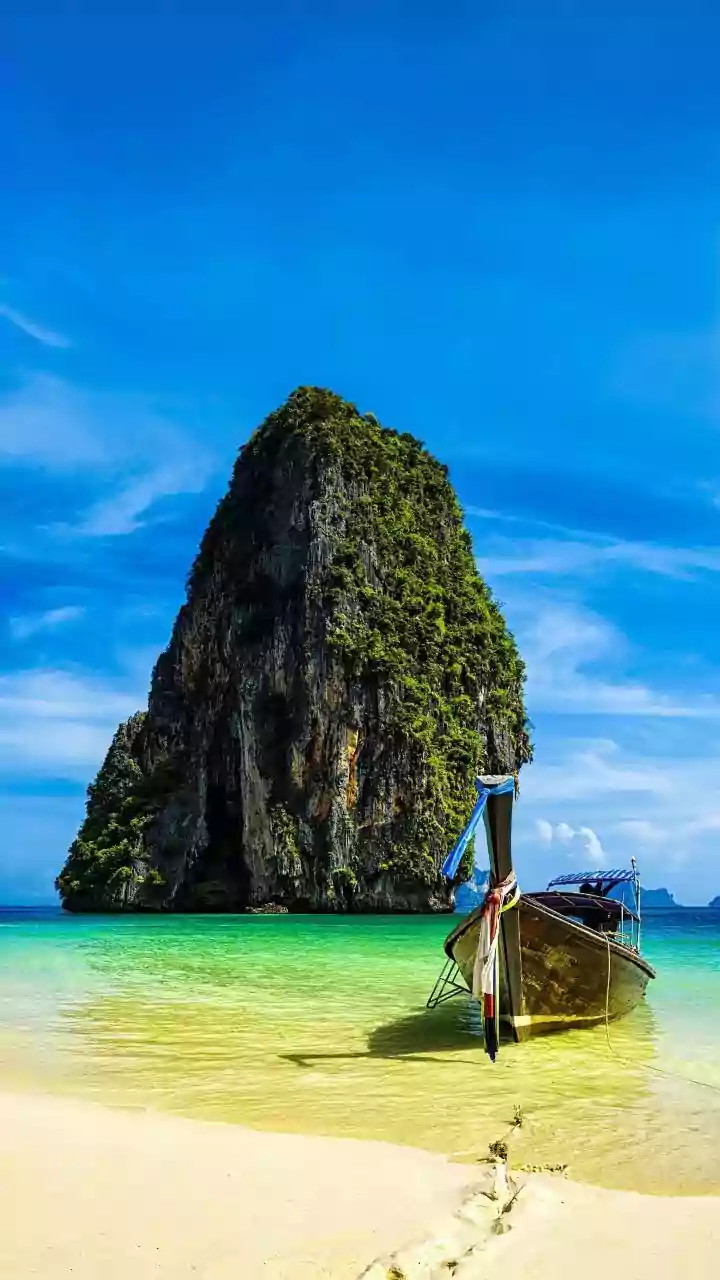
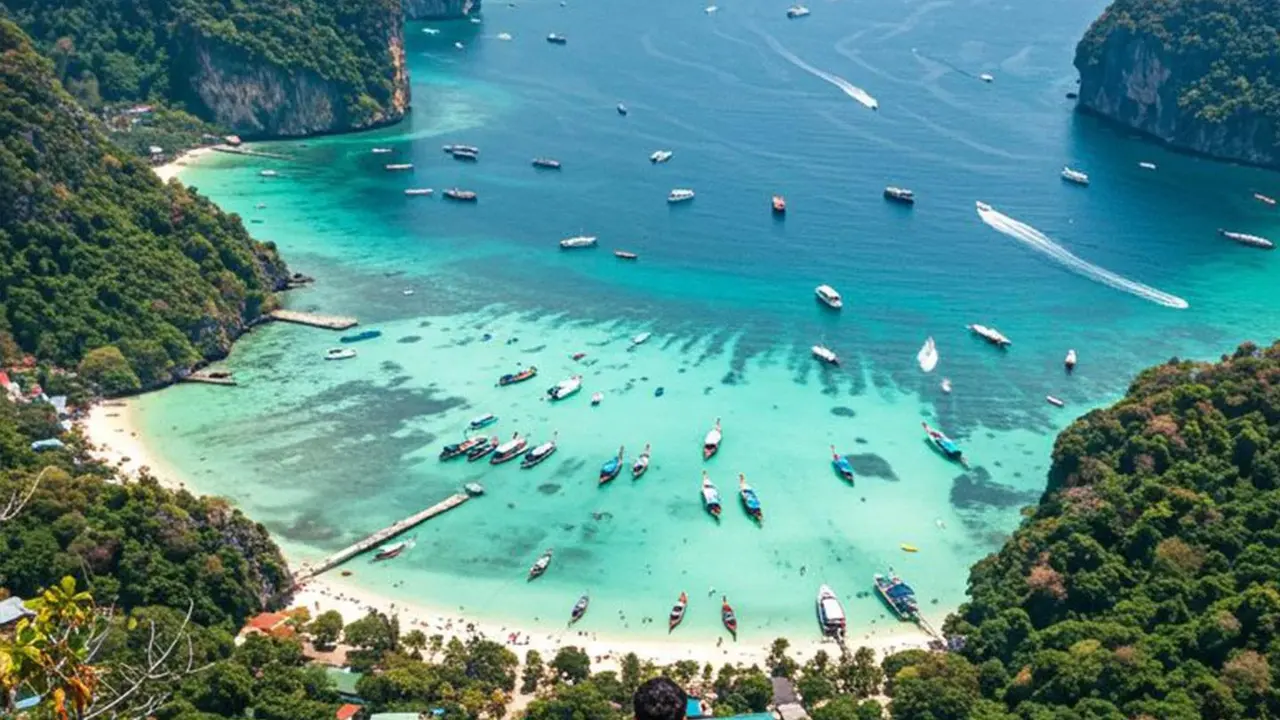
While Thailand’s southern islands can be expensive, Krabi offers incredible scenery on a budget. Stay in Ao Nang or Krabi Town for more affordable accommodation options compared to the exclusive resorts on Railay Beach. To explore the famous limestone karsts and nearby islands, you don’t need to book expensive tours. Instead, hire a private long-tail boat with a group of fellow travellers to split the cost, or join a shared boat to popular spots like Railay Beach. Public beaches are free to access, and you can spend your days swimming and sunbathing without spending anything. For food, stick to the local restaurants and street stalls away from the main beachfront strips for authentic flavour at a fraction of the price.
Daily Budget and Money-Saving Tips
A comfortable daily budget for a backpacker in Thailand is between 900 and 1,800 baht ($25-$50). This covers a hostel bed, street food meals, local transportation, and some activities. To make your money last, always eat local street food, use public transport, and choose free activities like exploring markets and parks. Hostels and basic guesthouses are clean, safe, and a great way to meet other travellers. Bargain respectfully at markets, and always have small notes on hand for street vendors and local transport. By planning ahead and embracing local experiences, your dream trip to Thailand can be both incredible and affordable.