







Win the War Against Dampness
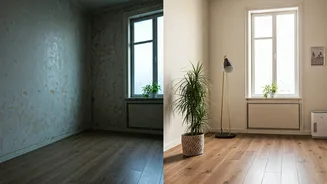
High humidity is the defining challenge of the monsoon, leading to damp walls, mould, and that dreaded musty odour. As a renter, you can't make structural changes, but you can control your indoor environment. First, improve ventilation. Whenever the rain
stops, open windows and doors to allow for cross-ventilation, which pushes stale, humid air out. Use exhaust fans in kitchens and bathrooms for longer than usual to expel moisture-laden air. For persistent dampness, create your own moisture absorbers. Placing bowls of rock salt or activated charcoal in cupboards and corners can naturally dehumidify the air. If you have wooden furniture, ensure it's not pushed right up against the walls; a small gap of a few centimetres allows air to circulate, preventing mould growth on both the wall and your furniture.
Protect Your Wardrobe and Walls
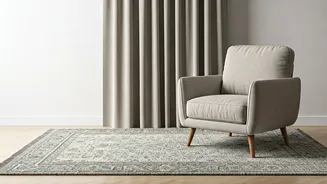
Clothes and wooden furniture are particularly vulnerable during this season. To protect your belongings, don't let damp laundry pile up; wash it promptly and ensure it's bone-dry before storing. Inside wardrobes, hang small pouches of camphor or dried neem leaves. These not only absorb excess moisture but also act as natural insect repellents. Heavy carpets and rugs are moisture magnets and can become breeding grounds for mildew; it’s wise to roll them up and store them away for the season. For walls showing early signs of damp patches or minor leaks, which can be common in rental properties, inform your landlord. For a temporary, renter-friendly fix for leaky window seams, you can use removable waterproof tape or draft stoppers placed at the base to absorb water. A coat of waterproof paint can also be a long-term solution to discuss with your property owner.
Cultivate a Cosy, Stylish Vibe
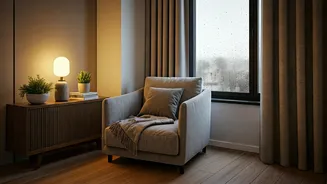
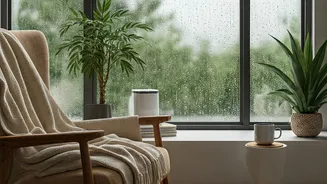
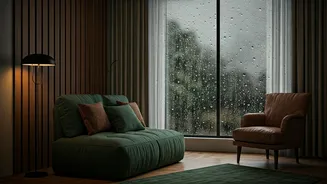
With grey skies outside, your home should feel like a warm, inviting escape. This is where style meets sense. Swap out heavy or dark-coloured curtains for sheer, lightweight ones. This simple change allows maximum natural light to filter in, making rooms feel brighter and less gloomy. Lighting is key. Use warm yellow lights, table lamps, and floor lamps to create soft, golden glows in the evening. Brighten up your space with colourful cushions, throws, and pouffes in shades like mustard yellow, coral, or deep teal to combat the monsoon dreariness. Scent also plays a huge role. Banish musty smells with scented candles, aroma diffusers, or even a simple bowl of potpourri. Fragrances like lavender, sandalwood, or citrus can make your home smell fresh and feel serene.
Bring in the Right Greens
The monsoon is synonymous with lush greenery, and bringing plants indoors is a great way to celebrate the season. However, not all plants love the extra humidity. Opt for species that thrive in moisture-rich air. Good choices for Indian homes during the monsoon include the peace lily, pothos (money plant), snake plant, and various ferns. These plants are not only easy to maintain in high humidity but also help purify indoor air. Place them in stylish planters to add a decorative touch. Be careful not to overwater them, as the soil will retain moisture for longer during this season. Grouping a few plants together on a windowsill or a corner table can create a refreshing, tropical vibe that perfectly complements the rainy weather outside.
Smart Entryway and Balcony Management
Your home's entrance and balcony are the frontlines in the battle against rain, mud, and pests. Place a durable coir or rubber doormat outside to scrape off mud and a highly absorbent one inside. A stylish umbrella stand is a must-have to prevent wet umbrellas from dripping all over your floors. If you have a balcony, ensure its drainage outlets are not clogged with leaves or debris to prevent water from pooling. It’s a good idea to move any non-weather-resistant furniture indoors. However, a small, cosy rug and a comfortable chair can turn your balcony into the perfect spot to enjoy a cup of tea while watching the rain. Adding wind chimes can also provide a soothing, melodic soundtrack to the season.