






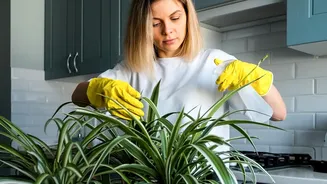
We spend around 90% of our time indoors, where air can be more polluted than outside. Many of us turn to houseplants or air purifiers to breathe easier, but how do they really stack up? Let's clear the air on which is best for your home.
The Invisible Problem Indoors
Before comparing
solutions, it's crucial to know what we're up against. Indoor air isn't just dust. It’s a complex mix of pollutants. These include particulate matter (PM2.5) from cooking or smoke, and volatile organic compounds (VOCs), which are gases released from everyday items like cleaning products, new furniture, and paints. These invisible intruders can cause everything from headaches and allergies to more serious long-term health issues. The goal of 'clean air delivery' is to effectively reduce the concentration of these harmful substances in the air we breathe daily.
The Green Solution: A Reality Check
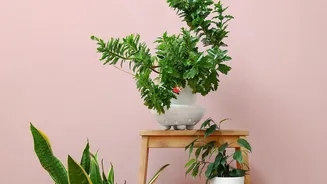
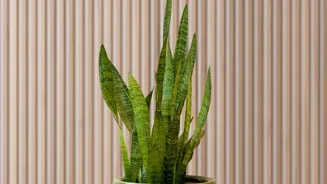
The idea that houseplants purify indoor air stems largely from a 1989 NASA study. The study showed that in a small, sealed chamber, plants like snake plants and peace lilies could remove VOCs like benzene and formaldehyde. This led to the widespread belief that a few potted plants could detoxify a room. However, modern research has put this into perspective. A 2019 review concluded that you would need an impractically large number of plants—between 10 and 1,000 per square meter—to match the air-cleaning capacity of a building's natural ventilation, let alone an air purifier. In a typical home, the impact of a few plants on pollutant levels is negligible.
The Tech Solution: How Purifiers Work
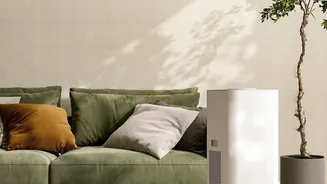
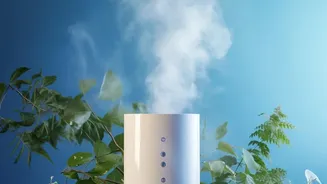
Air purifiers are machines engineered specifically to clean the air. Most effective models use a multi-stage filtration process. This typically includes a pre-filter for large particles like pet hair, an activated carbon filter to absorb odours and VOCs, and a HEPA (High-Efficiency Particulate Air) filter. A true HEPA filter is the gold standard, designed to capture 99.97% of airborne particles as small as 0.3 microns, including dust, pollen, mould spores, bacteria, and many viruses. Unlike plants, which are passive, a purifier actively draws in large volumes of air, forcing it through these filters to deliver cleaner air back into the room.
Head_to_Head: Effectiveness
When it comes to measurable pollutant removal, there is no contest: air purifiers are vastly more effective. An air purifier's performance is measured by its Clean Air Delivery Rate (CADR), which tells you how quickly it can clean a room of a certain size. A typical purifier can have a CADR of 100 or more, while a houseplant's equivalent rate is less than one. For tackling allergens, smoke, and fine particulate matter, a HEPA purifier is the only reliable solution. While plants can absorb some VOCs, their removal rate is too slow to compete with the constant off-gassing from household items and the air exchange already happening in your home.
Cost, Care, and Other Considerations
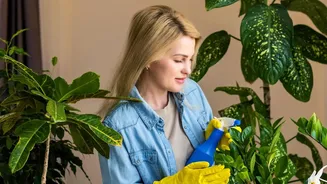
Houseplants are relatively inexpensive to purchase, but they require ongoing care: proper watering, light, and occasional pest control. If not maintained, they can even introduce problems like mould from damp soil or release pollen. Air purifiers have a higher upfront cost, ranging from a few thousand rupees to much more for highend models. Ongoing costs include electricity and filter replacements, which are typically needed every 6 to 12 months. However, they require minimal effort and provide consistent, measurable results. From a purely practical standpoint, purifiers offer a setandforget solution for air cleaning.
The Verdict: Better Together
This isn't an either/or decision. While houseplants are not effective air cleaners, they offer significant benefits that machines cannot. Studies show that being around plants can reduce stress, improve mood, and boost focus. They add humidity to dry indoor air and bring a vital touch of nature into our living spaces. The most effective strategy for a healthy home environment is to use both. Rely on a highquality air purifier to do the heavy lifting of removing harmful pollutants. Then, add houseplants for their aesthetic beauty and proven psychological benefits. Think of purifiers as the functional workhorse for your respiratory health and plants as the soulful addition for your mental wellbeing.