







The Power in the Purple Root
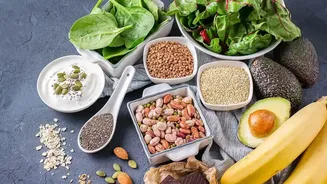
For years, athletes from weekend warriors to professionals have been seen sipping on vibrant, earthy beetroot juice before big events. The reason lies in its high concentration of inorganic nitrates. These compounds, also found in leafy greens like spinach
and arugula, are the raw material for a powerful process within our bodies. When you consume nitrate-rich foods, bacteria in your mouth begin a conversion process, turning nitrate (NO3) into nitrite (NO2). This nitrite is then circulated in the blood and, when needed, can be further converted into nitric oxide (NO). Nitric oxide is a potent vasodilator, meaning it helps to relax and widen blood vessels. This improved blood flow allows for more efficient delivery of oxygen and nutrients to working muscles, which is a clear advantage during exercise.
Decoding 'Energy Yield Per Oxygen'
The headline's claim hinges on a technical but crucial concept: improving 'sprint energy yield per oxygen'. Think of it as boosting your body's fuel economy. During intense exercise, your muscles demand a massive amount of energy, which they generate using oxygen in tiny cellular powerhouses called mitochondria. Research suggests that an increased availability of nitric oxide can make these mitochondria more efficient. It appears to reduce what is known as proton leakage across the mitochondrial membrane, meaning less energy is wasted as heat and more is converted into the chemical energy (ATP) that powers muscle contractions. In simple terms, your muscles can produce the same amount of power, or even more, for a lower oxygen cost. This allows an athlete to work harder or sustain a high-intensity effort for longer before fatigue sets in.
Micro-Dosing vs. Acute Loading
Much of the early research on beetroot juice focused on 'acute loading'—consuming a significant dose, often around 400-500mg of nitrate, a few hours before exercise. While effective for many, the new research angle mentioned in the headline points towards a 'micro-dosing' or chronic loading strategy. This involves consuming smaller amounts of nitrate daily over a longer period, such as several days or weeks leading up to an event. Studies suggest that this consistent, long-term supplementation may be more effective than a single large dose for improving performance. It helps maintain elevated levels of nitrite in the blood and muscle, creating a ready reservoir that can be converted to nitric oxide whenever the demand arises during intense activity. This approach may be particularly beneficial for enhancing muscle contractile function and power during repeated sprints.
What the Science Says About Sprints
The link between nitrate and sprint performance is an active area of research with some mixed, but promising, results. Several studies have shown that nitrate supplementation can improve performance in single sprints and high-intensity intermittent running, which mimics the demands of team sports. Researchers have observed faster sprint times over short distances (5-20 meters) and increased power output during all-out efforts. However, the benefit is not universally guaranteed. Some studies have found no improvement, particularly in repeated, near-maximal sprints with short recovery, where other factors may limit performance. Furthermore, the effect might be less pronounced in elite, highly-trained athletes, who may already have higher baseline levels of nitric oxide production. The consensus seems to be that nitrate is most likely to benefit recreational and competitive athletes in activities involving high power output and repeated bursts of speed.