







The Spontaneity Paradox
For many young Indians, travel is no longer about one big annual holiday planned months in advance. Instead, the trend is shifting towards shorter, more frequent trips, often decided on a whim. Reports show that seven in ten Gen Z travellers prefer taking
multiple short trips over a single long one. This generation values flexibility and unique experiences, viewing travel as an extension of their identity. However, this love for spontaneity clashes with the hard reality of travel costs. The desire to just pick up and go often leads to expensive last-minute bookings, turning a fun, impulsive escape into a financial strain.
Decoding Dynamic Pricing
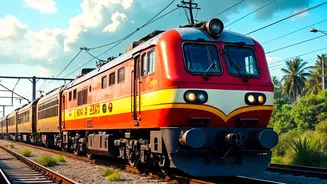
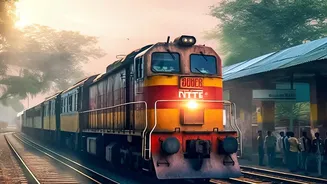
The primary reason last-minute travel is expensive is dynamic pricing. Much like airlines, many private bus operators and even Indian Railways' premium trains use this model. Prices for tickets are not fixed; they fluctuate based on demand. As more seats get booked and the travel date gets closer—especially for popular Friday evening or Sunday night routes—prices automatically increase. For premium trains like the Rajdhani, Shatabdi, and Duronto, fares are designed to rise by 10% after every 10% of seats are sold. This means waiting until the day before your trip to book a bus or train ticket almost guarantees you will pay more than those who planned just a little ahead.
Finding the Booking Sweet Spot
So, how early is early enough? For trains, Indian Railways allows bookings up to 120 days in advance, and planning ahead is crucial for popular routes to secure a seat and avoid inflated costs. For bus journeys on regular weekends, the sweet spot is often booking three to seven days before you travel. This is typically early enough to avoid the last-minute price surge but not so far in advance that your plans are uncertain. However, for festival weekends or major holidays like Diwali and Holi, you should book as soon as reservations open, as prices rise quickly and seats vanish. Being flexible with your travel days, such as opting for a mid-week departure, can also unlock significant savings.
More Than Just a Cheaper Ticket
The benefits of booking transport early extend beyond just the initial ticket cost. Securing your travel in advance provides peace of mind and reduces the stress of uncertainty. It guarantees your seat, which is critical in a country where trains and buses are the most popular modes of long-distance travel. Early booking also gives you a wider choice of seats—like a coveted lower berth on a train or a window seat on a bus—and more convenient departure times. This allows for better overall planning, helping you avoid other expensive last-minute decisions, such as taking a pricey cab because the only available bus arrives late at night.
Leverage Technology to Your Advantage
Today's digital tools make advance planning easier than ever. Most Gen Z travellers already use their smartphones to research and book trips. Use official booking platforms like the IRCTC website for trains and compare prices across different private bus apps. Many of these platforms offer features like price tracking and alerts that can notify you when fares are at their lowest. You can also find cashback offers or wallet discounts on various booking websites, which can further reduce your travel costs. By using these tools smartly, you can lock in the best prices without sacrificing too much of the flexibility that makes weekend getaways so appealing.