



Does my policy cover weather-related cancellations?
This is the most critical question. A standard policy might cover trip cancellation for specific reasons like a medical emergency, but weather is a grey area. Ask your provider to clarify what qualifies as a covered weather event. For instance, will your non-refundable
bookings be reimbursed if a cyclone is named and an official travel warning is issued for your destination?. Most comprehensive plans do cover cancellations due to severe weather that makes your destination inaccessible or uninhabitable, but you need to confirm the specifics. Simply cancelling because rain is in the forecast is almost never covered if your transportation is still operating.
What about trip delays and interruptions?
Monsoon travel is often synonymous with delays. Waterlogged runways, flooded railway tracks, or landslides can bring your journey to a halt. Check if your policy includes Trip Delay coverage, which can reimburse you for expenses like meals and accommodation during a long wait. Policies usually have a minimum delay time, often between three and six hours, before benefits kick in. Also, ask about Trip Interruption coverage. This is crucial if you have to cut your trip short due to a weather event, as it can cover the unused portion of your trip and extra costs to return home.
Am I protected against 'foreseeable events'?
This is a key exclusion in many policies. If a storm system is already forecasted or named by a meteorological authority before you purchase your travel insurance, any claims related to that specific storm will likely be denied. Insurers consider this a 'known' or 'foreseeable' event, and insurance is designed to protect against the unforeseen. The best practice is to buy your travel insurance at the same time you book your flights and hotels, not at the last minute when weather warnings might already be public. This ensures you are covered for unexpected developments.
What specific medical coverage is included?
The rainy season can increase the risk of certain health issues, such as water-borne diseases like dengue or cholera. Your policy should ideally provide robust emergency medical coverage. Ask if illnesses prevalent during the monsoon are explicitly covered. Furthermore, confirm that the plan includes emergency medical evacuation. If you are in a remote area with limited healthcare facilities when you fall ill or have an accident, the cost of being transported to a better hospital can be enormous. Ensuring this benefit is included provides vital peace of mind.
Are my gadgets and baggage covered for water damage?
A sudden downpour can be bad news for your camera, laptop, and phone. While most policies cover baggage loss or theft, damage due to weather can be a tricky area. Specifically ask your provider if the policy covers damage to personal effects, especially electronics, caused by water. Read the fine print, as some plans may have specific exclusions for this. Some insurers offer a separate 'gadget cover' add-on which provides more comprehensive protection for your electronics against things like accidental and liquid damage. Understanding the coverage limits and deductibles is also important.
What if I'm planning adventure sports?
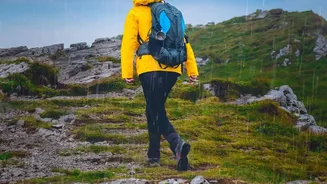
Monsoon treks and other adventure activities are popular, but they come with increased risks, from slippery trails to unpredictable conditions. Standard travel insurance policies often exclude high-risk or adventure sports. If your rainy-season getaway includes trekking, rafting, or other adventurous pursuits, you must check if these activities are covered. You may need to purchase a special add-on for adventure sports to be protected in case of an accident.