





Anxiety in the Agricultural Heartland
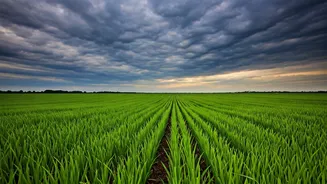
The timing of the monsoon is critical for India's farmers. July rainfall is essential for the sowing and growth of kharif crops like rice, pulses, and oilseeds, which are planted during the summer. After a June that was already significantly dry, a weak
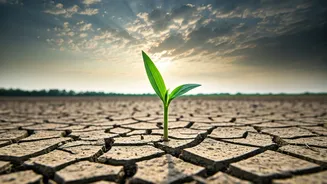
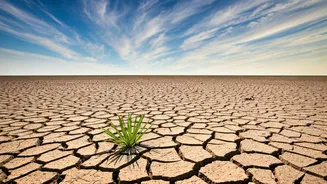
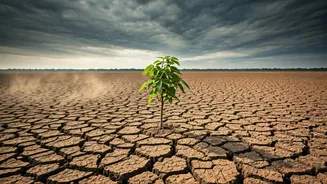
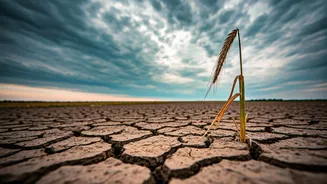
July could spell trouble. A rainfall deficit delays sowing, reduces the total area under cultivation, and threatens crop yields. According to recent data, kharif sowing has already seen a significant drop compared to last year, with paddy, pulses, and cotton all affected. This directly impacts the livelihoods of millions of farmers who depend on rain-fed agriculture and raises concerns about rural income and spending power.
Urban Water Supplies Under Strain
The impact of a weak monsoon isn't confined to rural fields; it flows directly into India's towns and cities. Urban water security depends heavily on reservoirs and groundwater, both of which are replenished by monsoon rains. A drier July will put immense pressure on these already stressed resources. Following a dry June, water levels in many key reservoirs are lower than they were last year. This can lead to municipal bodies imposing water cuts and rationing, affecting households and businesses alike. In some cities, shortages have already led to restrictions on water use for construction and increased reliance on expensive private water tankers.
The Economic Ripple Effect
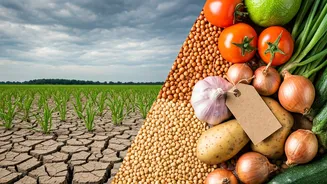
While agriculture's share of India's GDP has declined over the decades, its health remains a vital indicator of the broader economy's performance. A poor agricultural season caused by deficient rain can trigger a cascade of economic consequences. Reduced farm output can lead to lower supply of essential commodities, stoking food inflation that affects every household's budget. This is particularly true for vegetables, pulses, and edible oils, which are sensitive to rainfall. Furthermore, diminished rural incomes can dampen demand for goods like two-wheelers and fast-moving consumer goods (FMCG), impacting corporate performance. A weak monsoon also affects hydropower generation, potentially forcing a greater reliance on more expensive thermal power.
The Role of El Niño and Temperatures
This year's monsoon weakness is being influenced by developing El Niño conditions in the Pacific Ocean, a phenomenon often linked to suppressed rainfall in India. The India Meteorological Department (IMD) has noted that these conditions are expected to strengthen during the monsoon season. Compounding the lack of rain, forecasts also predict above-normal maximum and minimum temperatures for most of the country in July. This combination not only increases water evaporation from soil and reservoirs, further depleting supplies, but also raises the risk of heat stress for the population.
Mitigation and the Path Forward
In response to the forecast, government bodies have begun activating contingency plans. The IMD has advised farmers to adopt water conservation measures and consider planting less water-intensive crops. These plans often involve preparing district-level strategies for the areas most vulnerable to low rainfall. While India's economy is now more resilient to weather shocks than in the past, thanks to improved irrigation and large food grain reserves, a significant rainfall deficit remains a major challenge. The situation highlights the ongoing need for improved water management, rainwater harvesting, and the promotion of climate-resilient agricultural practices to buffer against future climate variability.