






The Great Retreat: What is Monsoon Withdrawal?
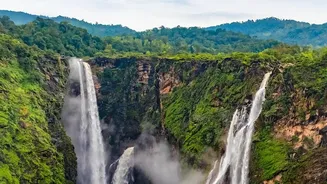
The southwest monsoon doesn't just switch off; it performs a gradual, staggered retreat over several weeks. This withdrawal process is a reversal of its arrival. As the Indian subcontinent begins to cool in autumn, the low-pressure system that pulls moisture-laden
winds from the ocean weakens. The process typically begins in the extreme northwestern parts of India, like Rajasthan, around mid-September. The India Meteorological Department (IMD) officially declares the withdrawal based on specific criteria: a five-day cessation of rainfall, a drop in humidity, and the establishment of an anticyclone (a high-pressure system) in the lower atmosphere. From its starting point, this line of withdrawal moves progressively southeast across the country, generally taking over a month to complete its exit from the peninsula around mid-October.
The Science Behind 'October Heat'
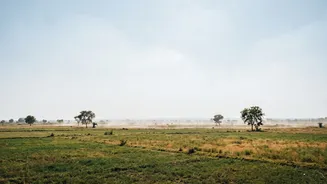
The period following the monsoon's departure often ushers in a phenomenon popularly known as 'October Heat', which frequently begins in September. As the monsoon clouds dissipate, clear skies allow for intense, direct solar radiation to heat the land. But unlike the dry heat of May and June, the post-monsoon period is defined by high humidity. The ground and the lower atmosphere are still saturated with residual moisture from the preceding months of rain. This combination of rising temperatures and high ambient moisture creates oppressive, sticky conditions. The high humidity hampers the body's natural ability to cool itself through sweating, making the 'feels like' temperature significantly more punishing than the actual air temperature.
Which Cities and Regions Are Most Affected?
The post-monsoon heat pattern is most pronounced across the northern and central plains of India. Cities in Rajasthan, Punjab, Haryana, Delhi, Uttar Pradesh, and Madhya Pradesh are among the first to experience this shift. As the withdrawal line moves south and east, urban centres like Nagpur, Bhopal, and Hyderabad also experience this phase of rising heat and humidity. These urban areas are particularly vulnerable due to the Urban Heat Island (UHI) effect, where concrete and asphalt absorb and retain more heat than rural landscapes, amplifying the already uncomfortable conditions and preventing cities from cooling down effectively at night. This can lead to persistent warmth, putting a strain on energy grids as demand for air conditioning rises.
A Shifting Calendar and Growing Concerns
In recent decades, a noticeable trend of delayed monsoon withdrawal has emerged, which scientists attribute to factors including natural variability and climate change. In 2020, the IMD revised its normal withdrawal dates, pushing the start date from September 1 to September 17 for northwest India based on updated data. However, even with these new dates, withdrawals have often been later. A delayed retreat means the humid, hot conditions can extend deeper into October, impacting the sowing season for Rabi (winter) crops. While late rains can help replenish reservoirs, they can also damage standing Kharif crops that are ready for harvest. Furthermore, the increasing frequency of dangerously humid days, driven by warming oceans and a warmer atmosphere, is making these post-monsoon heat spells more intense and a greater public health concern.