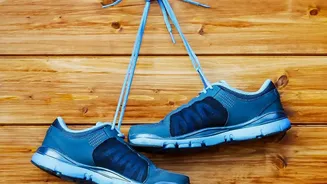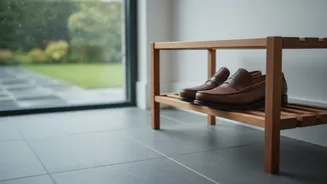




The Problem with Heat and Haste
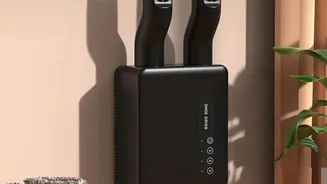
When your favourite pair of shoes is dripping wet, it's tempting to place them near a heater, blast them with a hairdryer, or even put them in a clothes dryer. These methods are fast, but they are also destructive. Intense, direct heat is the enemy of most
shoe materials. It can cause the adhesives that hold the shoe together to weaken or melt, leading to soles separating from the upper part of the shoe. Furthermore, high heat can cause certain materials to shrink, warp, or become brittle, permanently altering the fit and structure of your footwear. What seems like a quick fix can drastically shorten the lifespan of your shoes.
Leather's Worst Nightmare
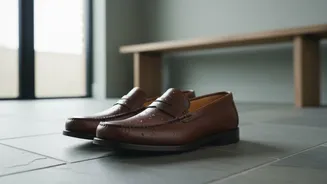
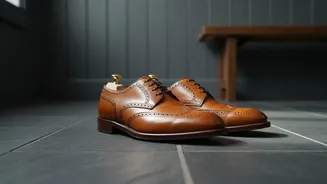
Leather shoes are a significant investment, and heat is particularly damaging to them. Leather contains natural oils and moisture that keep it supple and strong. When you apply high heat, it rapidly strips these essential oils away. As the water evaporates, it takes the oils with it, causing the leather's fibres to rub against each other and become brittle. This process results in the material shrinking, stiffening, and eventually developing irreversible cracks. The rich colour can also fade or become discoloured. Using a hairdryer or placing leather shoes on a radiator is one of the quickest ways to ruin them.
Damage to Suede, Nubuck, and Canvas
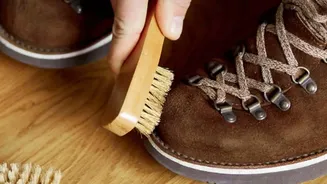
Other common materials fare no better with rushed drying. Suede and nubuck have a delicate, velvety texture called a 'nap'. Direct heat can harden the leather and ruin this soft surface, creating stiff, stained patches. For canvas sneakers and synthetic athletic shoes, high heat can damage the fibres, fade colours, and weaken the glue that holds everything together. The tumbling action of a clothes dryer can also physically damage the shoe's structure and cushioning. The safest approach for all these materials is to avoid direct heat entirely.
The Right Way: A Step-by-Step Drying Guide
Patience is the key to safely drying your shoes. The best method relies on air circulation and absorption, not heat. First, as soon as you get home, remove the insoles and laces; these can be dried separately. This opens up the shoe and allows air to circulate more freely inside. Next, if the shoes are muddy, give them a gentle clean. Then, take wads of old newspaper or absorbent paper towels and stuff them loosely inside the shoes. The paper will act like a sponge, drawing moisture out from the interior. Check the stuffing every few hours and replace it with fresh, dry paper once it becomes damp. Place the shoes in a well-ventilated room, away from direct sunlight or heaters, perhaps near a fan to speed up the process.
Preventing Odour and Maintaining Shape
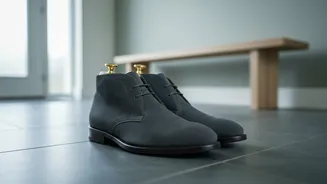
Wet shoes often develop an unpleasant, musty odour caused by bacteria. Once your shoes are mostly dry, you can sprinkle a bit of baking soda inside to absorb any lingering moisture and neutralise smells. Simply vacuum it out before you wear them again. To help your shoes, especially leather ones, maintain their shape as they dry, consider inserting cedar shoe trees. Shoe trees absorb moisture and odours while ensuring the leather doesn't warp or crease as it dries. For shoes you wear often in the monsoon, having two pairs in rotation is a smart strategy, ensuring you always have a dry pair ready to go.