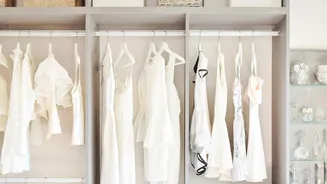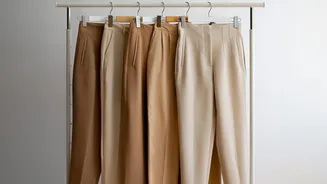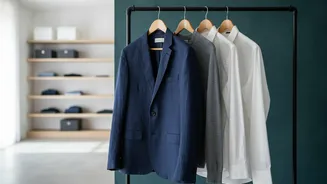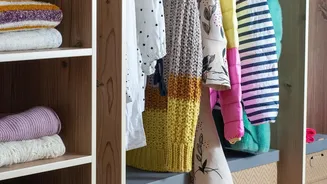


The Problem of a Full Closet
Many of us are familiar with the feeling of standing before a wardrobe packed with clothes, yet feeling completely uninspired. It often stems from a common issue: we have an abundance of certain items but a shortage of others. This is how you end up with multiple
versions of the same black t-shirt or a collection of statement pieces with no versatile basics to pair them with. This cycle of buying similar items happens because we gravitate towards what’s familiar and comfortable, a psychological phenomenon known as the mere-exposure effect. The result is a closet that feels both overwhelming and incomplete, leading to decision fatigue and the impulse to buy even more, perpetuating the problem.
What is a Wardrobe-Gap List?
A wardrobe-gap list is a strategic, itemised shopping list that focuses on what your closet is missing, rather than what’s currently trending. It's the bridge between a simple declutter and building a truly functional collection of clothes. The goal isn't just to identify missing items, but to find pieces that will unlock the potential of what you already own. One well-chosen piece can often complete multiple outfits, transforming a random assortment of garments into a cohesive system. This list shifts your shopping mindset from reactive impulse buys to proactive, intentional purchasing, ensuring every new item serves a distinct purpose.
Step 1: Conduct a Thorough Wardrobe Audit
The first and most crucial step is to take inventory of everything you own. Take every piece of clothing out of your closet and drawers. Sort items by category: all trousers together, all tops together, and so on. This gives you a powerful visual of where you have excesses and deficiencies. As you go through each item, be honest. Does it fit you well right now? Do you feel confident wearing it? Does it align with your current lifestyle, not an imaginary one? Create piles for items to keep, tailor, donate, or sell. This audit provides the essential data needed to understand what’s working and what is simply taking up space.
Step 2: Define Your Personal Style
With only your 'keep' pile remaining, look for patterns. What colours, silhouettes, and fabrics appear most often? These are the building blocks of your true personal style. Think about the outfits you wear on repeat or the pieces you reach for on important days; these are your real-life basics. Your style isn't about chasing aesthetics, but about recognising what makes you feel most like yourself. Describe your style in a few adjectives, like 'classic and relaxed' or 'creative and colourful'. Understanding this foundation is key, because the goal of filling wardrobe gaps is to support and enhance your existing style, not to reinvent it entirely.
Step 3: Pinpoint the Actual Gaps
Now, compare what you have with what your real life requires. If you work in an office five days a week but your wardrobe is 80% casual weekend wear, you have a significant gap. Think about occasions where you've felt you had nothing to wear. Was it a wedding, a work presentation, or just a casual brunch? Sometimes a gap isn't a major item but a crucial supporting piece, like the right layering top or a versatile pair of shoes that bridges the gap between trainers and formal heels. Make a running list of these missing items as you identify them. Instead of a vague 'new top', be specific: 'a cream-coloured silk blouse to wear with my work trousers and jeans'.
Step 4: Use Your List to Shop Intelligently
Your wardrobe-gap list is now your shopping guide. Before you buy anything, consult it. This simple habit helps you stay focused and resist the lure of sales or impulse buys that don't fill a genuine need. When you shop with a clear purpose, you’re less likely to come home with another striped shirt when what you really needed was a smart blazer. The list also encourages you to prioritise quality over quantity. Since you know exactly what you’re looking for, you can take your time to find the perfect piece that will last for years, rather than settling for a temporary fix. This strategic approach is what finally breaks the cycle of accumulating duplicates, saving you money and closet space in the long run.