





A Tradition Rooted in the Rains
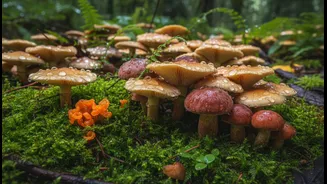
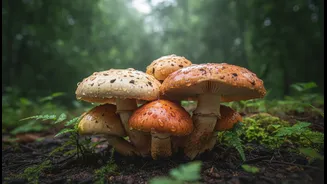
Long before they graced the menus of fine-dining restaurants, mushrooms were a seasonal bounty for indigenous communities across India. With the first thundershowers, tribal groups in states like Kerala, Karnataka, Goa, and Jharkhand venture into the forests
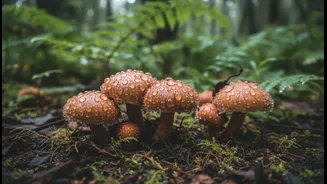
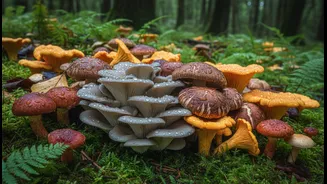
for the annual harvest. This tradition is deeply woven into their culture and livelihood. In Goa, the prized olmi mushroom, which grows on termite mounds, is so cherished that for many families, the monsoon feels incomplete without it. These wild varieties, from the olmi to 'thunder mushrooms' in Karnataka, are valued for an earthy flavour and meaty texture that cultivated versions struggle to match. This age-old practice of foraging, passed down through generations, forms the foundation of the mushroom’s enduring appeal.
From Forest Forage to Culinary Star
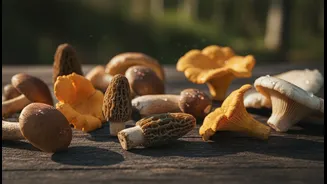
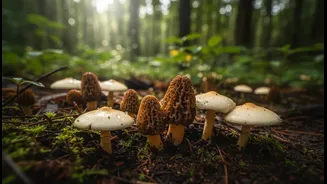
In recent years, what was once a hyperlocal delicacy has captured the imagination of chefs and foodies nationwide. Mushrooms are no longer just a simple side dish but are being treated as the main event. Michelin Guide inspectors have noted a global trend where mushrooms are becoming the 'main characters' on plates, a shift clearly visible in India's urban culinary scene. The unique umami flavour and versatility of different species are being explored in everything from gourmet risottos to modern interpretations of traditional curries like xacuti. The most famous of these is the Gucchi, or morel mushroom, from the Himalayas. Known for its honeycomb texture and intense flavour, this wild-harvested fungus is one of the most expensive in the world, fetching prices upwards of ₹30,000 per kilogram, cementing its status as a true luxury ingredient.
The Modern Wellness Boom
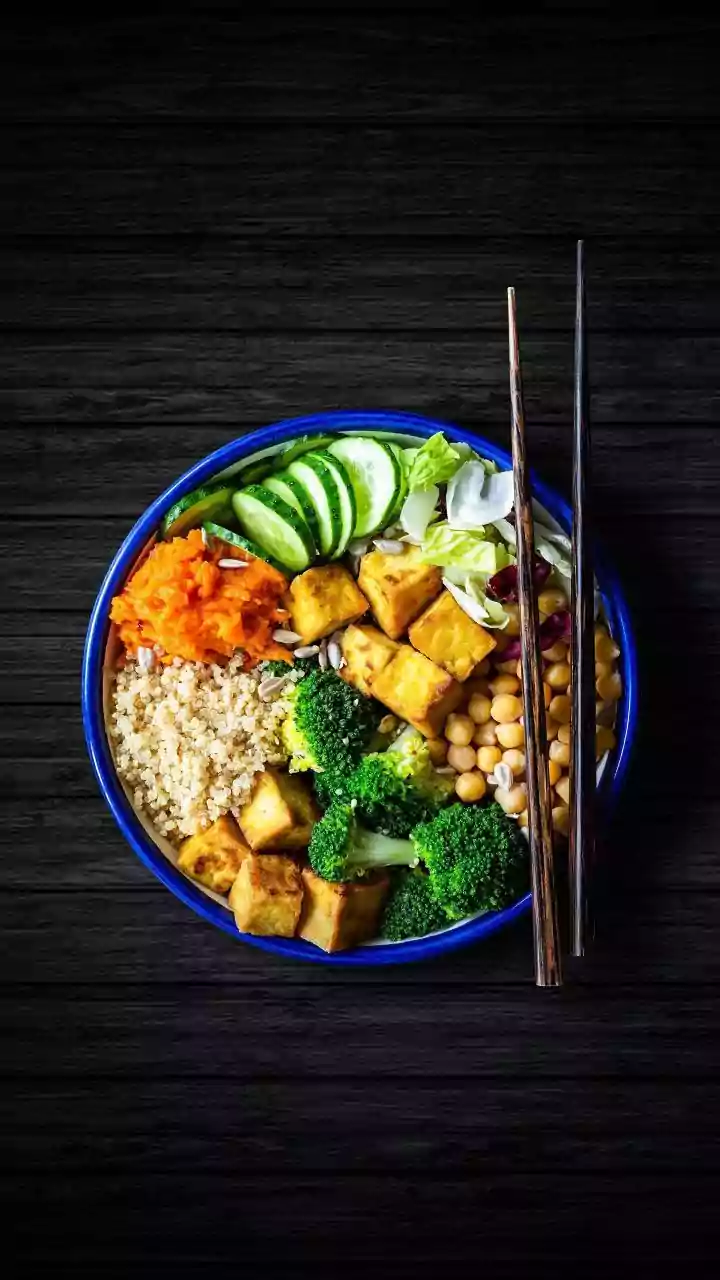
The growing interest in mushrooms isn't just about taste; it's also about health. Fungi are being recognised as a superfood, packed with nutrients while being low in calories. They are a rich source of protein, fibre, antioxidants, and B vitamins. Specific compounds in mushrooms, like beta-glucans, are celebrated for their immune-boosting properties. This has led to a surge in 'functional foods', where ingredients are chosen for their health benefits. Mushrooms are now appearing in everything from wellness drinks and protein balls to plant-based meat alternatives. This health halo has made them incredibly popular among urban consumers who are increasingly health-conscious and looking for nutrient-rich, plant-based food options.
The Cultivated Revolution and a Word of Warning
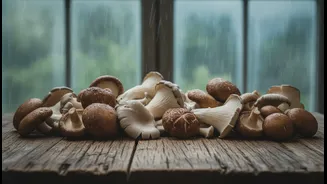
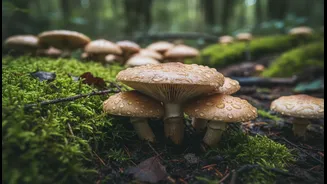
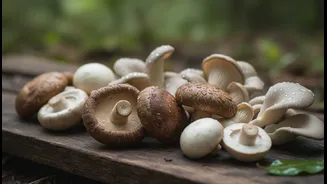
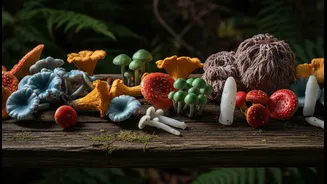
While wild mushrooms capture the romance of the monsoon, their availability is limited and seasonal. To meet the rising demand, mushroom cultivation has boomed. The naturally humid monsoon weather is ideal for growing varieties like oyster, milky, and shiitake mushrooms, making them more accessible to everyone. However, the appeal of foraging for wild mushrooms comes with a serious risk. Many poisonous mushrooms look strikingly similar to edible ones, and a mistake can be fatal. Experts stress that there are no easy tricks to tell them apart, and old tales about identifying toxic fungi are false and dangerous. Symptoms of poisoning can be delayed, causing severe organ damage before a person even feels sick. The adage among foragers is a wise one to remember: “There are old mushroom hunters, and there are bold mushroom hunters, but there are no old, bold mushroom hunters.”