


The Narrative Scrolls of Pattachitra
In the heart of Odisha lies Raghurajpur, a village where every home is an artist's studio and every wall a canvas. This heritage crafts village is the epicentre of Pattachitra, a traditional cloth-based scroll painting art form that dates back centuries.
The paintings are known for their intricate details and mythological narratives, all created with natural pigments derived from minerals and vegetables. Visitors to Raghurajpur can walk through the vibrant streets, watch artists at work, and even participate in workshops. Under the guidance of a master artist, you can learn to grind colours, sketch figures from the epics, and paint your own miniature Pattachitra, offering a direct connection to a 900-year-old tradition.
The Delicate Art of Palm Leaf Etching
Known as 'Tala Pattachitra', this ancient art form is another speciality of villages like Raghurajpur. It involves the incredibly delicate process of engraving intricate designs and stories onto dried, treated palm leaves with a sharp iron stylus. The leaves are first dried, boiled, and treated with turmeric to give them their characteristic golden hue and antibacterial properties. After the designs are etched, a paste of lamp black or soot is rubbed over the surface, which fills the grooves and makes the fine lines stand out starkly against the leaf. In a workshop, you can try your hand at this precise craft, creating your own engraved bookmark or decorative panel, an art form that once recorded sacred scriptures.
The Colourful World of Appliqué
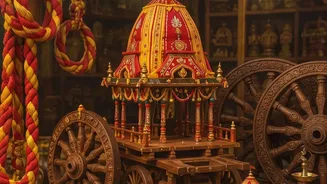
A short drive from Bhubaneswar on the way to Puri, the town of Pipili is a riot of colour. This is the home of 'Chandua', the traditional Odia appliqué craft. Originally created to produce canopies and banners for the annual Rath Yatra festival, this art involves stitching brightly coloured pieces of fabric onto a base cloth to create vibrant, layered designs of flowers, animals, and gods. The main street of Pipili is lined with workshops and stores selling everything from giant garden umbrellas to handbags and lampshades. Many workshops welcome visitors, allowing you to learn the distinctive stitching techniques and create your own small appliqué piece under the guidance of artisans who have inherited the skill through generations.
The Silver Lace of Tarakasi
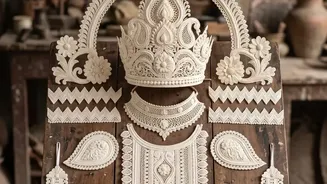
Cuttack, known as the Silver City of India, is the hub for Tarakasi, or silver filigree work. This craft, with a history of over 500 years, involves twisting fine threads of silver into delicate, lace-like jewellery and decorative items. The process is one of immense patience and precision, where artisans shape and solder hair-thin silver wires to create intricate patterns. Visiting a Tarakasi workshop in the narrow lanes of Cuttack offers a fascinating glimpse into this meticulous art. While a full hands-on experience might be complex, many artisans offer demonstrations where you can observe the process up close, from drawing the wire to creating the final, shimmering product. It’s an appreciation of a craft that turns metal into magic.
The Ancient Magic of Dhokra Casting
Dhokra is a 4,000-year-old craft of metal casting using the 'lost-wax' technique. Practised in several tribal villages across Odisha, such as Sadeibarani in Dhenkanal district, this art form creates rustic and captivating figurines of deities, animals, and tribal life. The process begins with a core model made of beeswax, which is then covered in clay. When fired, the wax melts out, leaving a mould into which molten brass is poured. Because the mould must be broken to retrieve the metal object, every Dhokra piece is unique. Workshops in these villages allow you to see this ancient metallurgical process firsthand and understand how folklore and nature are immortalised in metal, supporting a craft that connects the present to the Bronze Age.