


Why Quarantine Is Non-Negotiable
That perfect-looking plant from the nursery can easily harbour tiny, unseen problems. Pests like spider mites, mealybugs, thrips, and scale, along with their eggs, often hide in the soil or on the undersides of leaves. Most houseplant infestations begin
with a new plant that seemed healthy at first. Diseases can also be present without obvious symptoms. A dedicated quarantine period gives you the time to spot and handle these issues before they have a chance to spread to your other plants, saving you from a much larger problem down the road.
Set Up Your Separation Zone
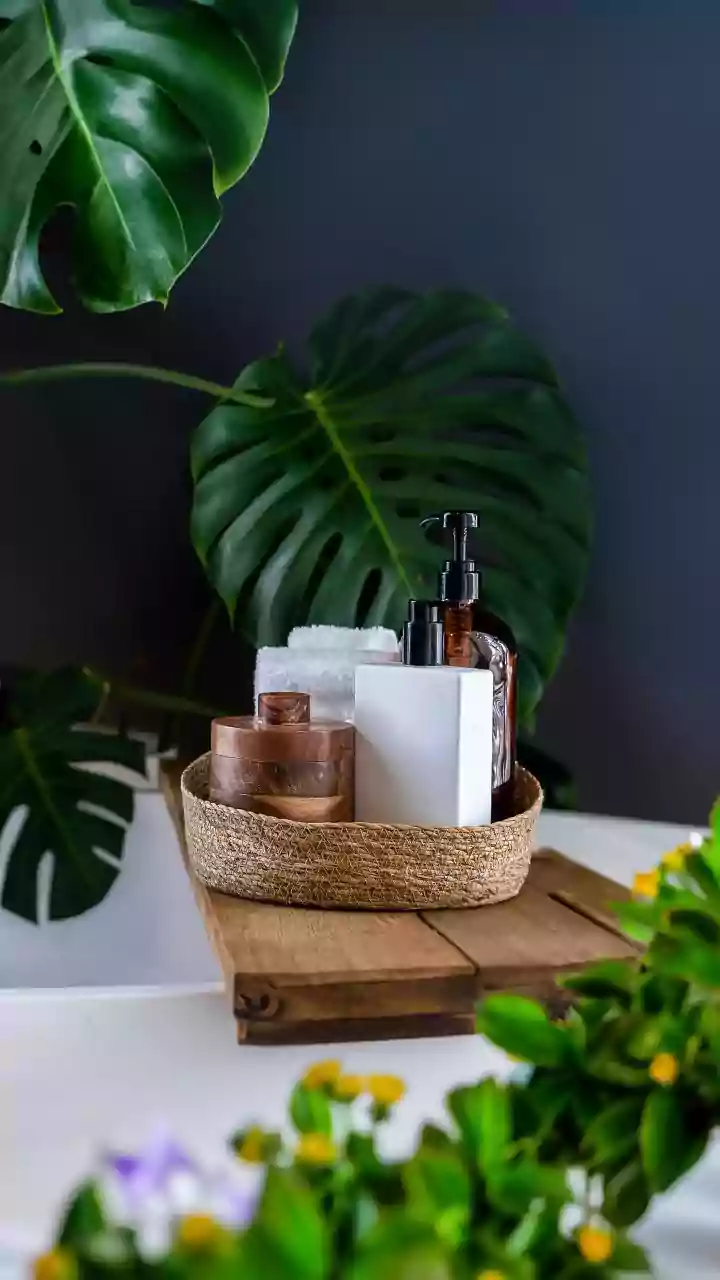
Quarantining means complete physical separation. Choose a spot for your new plant that is in a different room from your existing collection if possible. Fungus gnats can fly, and other pests like spider mites can travel short distances, so simply placing a new plant on the other end of the same shelf is not an effective quarantine. A bathroom, a spare bedroom, or even a sheltered spot on a porch can work. The key is to find a location where the new plant will still receive appropriate light and care but remains isolated. You'll be observing it for a few weeks, so don't hide it away in a dark closet where you'll forget about it.
The Initial Inspection: A Head-to-Toe Check
Before you even place the plant in its quarantine spot, give it a thorough inspection. Using a magnifying glass can be helpful for spotting smaller issues. Examine the tops and undersides of all leaves, paying close attention to where the leaf meets the stem. Look for fine webbing (a sign of spider mites), tiny moving dots, white cottony masses (mealybugs), or small brown bumps that can be scraped off (scale insects). Also check for any discolouration, yellowing, or holes in the foliage. It's a good idea to wipe down the leaves and stems with a damp cloth or even give the plant a gentle rinse in the shower to physically remove any surface-level travelers.
Don't Forget the Soil and Pot
Pests and their eggs often live in the potting medium. Carefully inspect the surface of the soil for any signs of activity, like the tiny, dark, flying fungus gnats or their larvae, which look like tiny white worms just below the surface. If possible, gently slide the plant out of its nursery pot to examine the root ball. Healthy roots should be firm and light-coloured, not black, mushy, or smelly, which can indicate root rot. While you're at it, wipe down the exterior of the pot itself to remove any clinging pests or eggs. Some experts even recommend repotting the plant into fresh, sterile soil right away to eliminate soil-borne issues from the start.
The Waiting Game: Patience and Observation
The ideal quarantine period is between two and four weeks. A two-week minimum can catch pests with shorter life cycles, but a longer, four-week period is safer for detecting slower-developing issues like mealybugs or scale. Some sources even recommend up to 40 days to be extra cautious. During this time, continue to care for the plant as you normally would with appropriate watering and light. Perform a detailed inspection once a week. If you spot any pests, treat the plant immediately with an appropriate method, like insecticidal soap or neem oil, while it is still in isolation. Keep a close watch to ensure the treatment is effective before ending the quarantine.
Graduating from Quarantine
If, after a full month, your new plant shows no signs of pests or disease, it can be safely introduced to the rest of your collection. You can give it one final wipe-down for good measure. Some cautious plant parents will even place it next to one of their hardiest plants for a few extra days as a final buffer before arranging it in its permanent home. This slow and steady process ensures your new addition is a source of joy, not a vector for infestation, allowing your indoor jungle to thrive.