






The Game-Changing Journey
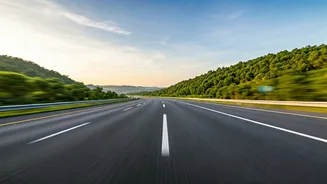
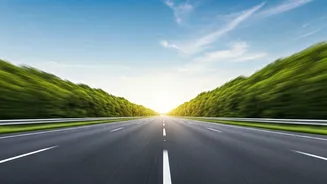
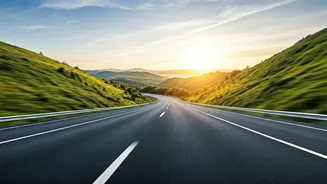
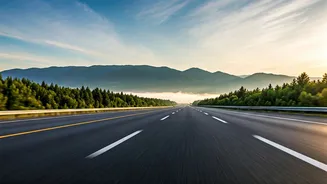
Inaugurated in April 2026, the 210-km Delhi-Dehradun Expressway has fundamentally changed the calculation for weekend travel. The six-lane, access-controlled corridor bypasses the congested towns of the old NH-7 route, like Meerut and Roorkee, offering
a direct path from Akshardham in Delhi to Dehradun. With a speed limit of 100 kmph, the journey has been cut by more than half, transforming destinations once reserved for long weekends into viable two-day escapes. This is not just an infrastructure upgrade; it's a lifestyle enabler for millions in the NCR.
Your New Weekend Itinerary
The expressway doesn't just make Dehradun closer; it unlocks the gateway to several beloved hill stations. A trip to Mussoorie, previously a 7-8 hour commitment, is now possible in about four hours. Rishikesh, the yoga and adventure capital, is accessible in approximately 3.5 hours. Even offbeat destinations like the quiet cantonment town of Landour and the scenic meadows of Kanatal are now within a manageable 4-to-5.5-hour drive. What used to require a day of travel each way can now be done comfortably, leaving more time to relax and explore.
Planning Your First Drive
To make the most of the new route, a little planning goes a long way. Start early from Delhi, ideally between 5-7 AM, to beat city traffic and arrive in the hills by mid-morning. The expressway is FASTag-enabled, and cash lanes are limited, so ensure your tag is active and funded. The one-way toll for a car is estimated to be around ₹670. While wayside amenities with fuel stations and food courts are part of the plan, it's wise to start with a full tank of fuel from Delhi. The most scenic part of the drive is the 12-km elevated corridor through Rajaji National Park, Asia's longest wildlife corridor, offering a unique chance to drive above the forest floor.
What to Expect En Route
The expressway is designed for speed and efficiency, with 12 entry and exit points. Key interchanges are at Baghpat, Muzaffarnagar, and Saharanpur. To reach Mussoorie, you'll exit at Dehradun and continue on the connecting road. For Rishikesh and Haridwar, the Ganeshpur exit provides the most direct connection. The route is a mix of greenfield stretches and widened existing roads, engineered for safety. However, as with any new highway, stay alert. Be mindful of the posted speed limits, which can vary in certain sections, especially near Delhi. While the main carriageway is smooth, some finishing work and temporary diversions may still be in place on connecting stretches as the system fully matures.
Beyond the Weekend Trip
The impact of the expressway extends beyond leisure travel. It is set to significantly boost the tourism economy of Uttarakhand by making the state more accessible year-round. Pilgrimages like the Char Dham Yatra will also become easier to access from the national capital. The elevated wildlife corridor, featuring underpasses for animal movement, represents a significant step in balancing development with ecological preservation, and has already seen use by local wildlife, including elephants and leopards. It's a model for future infrastructure projects in ecologically sensitive areas.