



The Great Breakfast Shift
For years, the morning rush in many city homes was synonymous with the rustle of a cereal packet and the splash of cold milk. It was fast, simple, and marketed as a healthy start. Yet, a growing number of families are consciously uncoupling from this
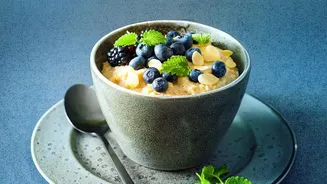
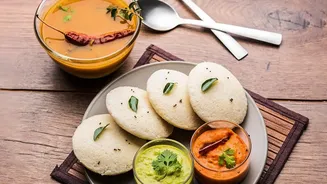
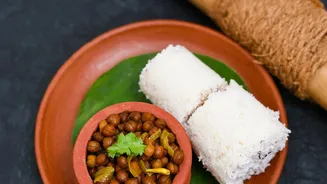
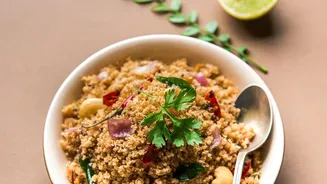
routine. They are rediscovering the humble, wholesome, and flavourful world of traditional Indian breakfasts. Steamed idlis and lacy appams, particularly those made from nutrient-dense millets like ragi and jowar, are taking center stage, pushing aside sugary, processed options. This isn't just about nostalgia; it is a deliberate choice fueled by a deeper understanding of health, wellness, and cultural identity.
Why Millets Are the New Champions
The resurgence of millets is at the heart of this breakfast renaissance. Once staples of the Indian diet before the Green Revolution prioritized wheat and rice, these ancient grains are making a powerful comeback. Nutritionally, millets outperform their processed counterparts by a huge margin. They are naturally gluten-free, packed with dietary fibre, and boast a low glycemic index, which ensures a slow release of energy and prevents the dreaded mid-morning slump. Unlike refined cereals that can cause sharp sugar spikes, millet-based meals provide sustained fuel. Rich in essential minerals like iron, calcium, and magnesium, they address nutritional gaps that are common in modern diets.
Tradition Meets Modern Convenience
A common argument for processed cereals is their unbeatable convenience. However, the ecosystem around traditional foods has evolved to meet the demands of a fast-paced urban lifestyle. Today, high-quality, ready-to-use millet idli and appam batters are widely available in local stores and online, cutting down preparation time significantly. Many families have adopted weekend meal prep, fermenting a large batch of batter that lasts for several days. This makes whipping up fresh, hot, and healthy breakfasts on a busy weekday morning as quick as pouring a bowl of cereal. The narrative that traditional food is too time-consuming is being effectively challenged by these modern solutions.
A Return to Regional Roots
This dietary shift is about more than just calories and nutrients; it's a cultural reclamation. For many urban families, serving regional dishes like millet appams is a way to connect their children to their heritage. It's an opportunity to pass down culinary traditions and stories associated with food. In a globalized world, a plate of ragi idli with sambar becomes a tangible link to one's roots, a familiar comfort that grounds the day. This movement represents a conscious decision to value local, seasonal, and indigenous foods over mass-produced, globally uniform products. It celebrates the incredible diversity of India's culinary landscape, one breakfast plate at a time.
The Smarter, Healthier Choice
When you compare a plate of two steamed foxtail millet idlis against a bowl of average sweetened cornflakes, the difference is stark. The idlis, often made from a fermented batter of millet and lentils, offer a complete protein profile, are rich in fibre, and incredibly low in fat and sugar. A single serving provides sustained energy. In contrast, many packaged cereals are high in refined carbohydrates and added sugars, leading to a quick burst of energy followed by a crash. As awareness about metabolic health grows, families are realizing that starting the day with a balanced, low-sugar, high-fibre meal like millet idli or appam is a more intelligent and loving choice for long-term well-being.