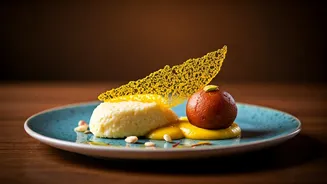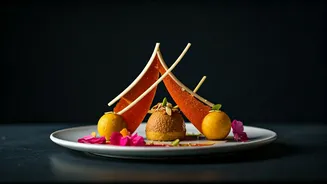


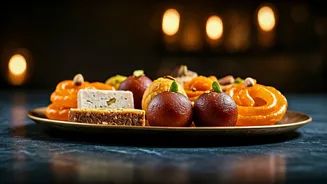
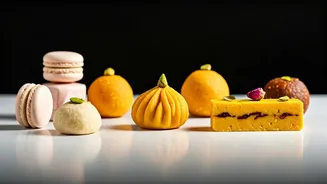


A Feast for the Eyes
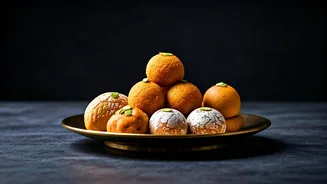
The simple, rustic charm of Indian mithai is getting a glamorous, modern-day makeover. Chefs are moving beyond the conventional block of barfi or the humble sphere of a ladoo, embracing techniques from global patisserie to present Indian desserts in a new
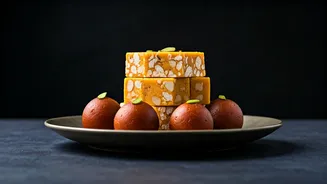
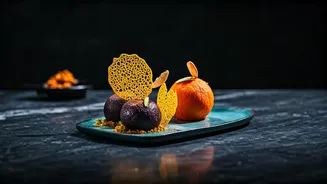
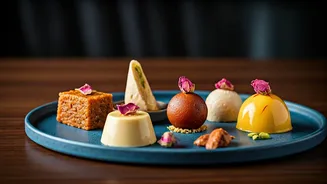
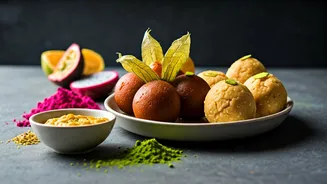
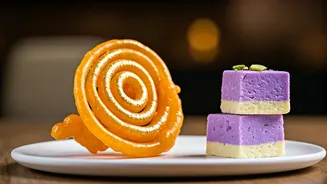
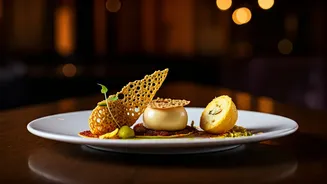
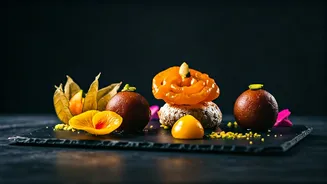
light. Imagine a Mysore pak coffee cheesecake, crispy gulab jamun churros, or a gajar ka halwa transformed into delicate truffles with a hint of orange zest. This trend sees traditional sweets deconstructed and artistically plated, using elements like foams, gels, and edible flowers. The goal is to create a dessert that is not only a treat for the palate but also a feast for the eyes, making it perfect for the social media age where visual appeal is paramount. This evolution isn’t just about aesthetics; it's a technical reimagining, where chefs translate familiar Indian flavours into formats that align with contemporary pastry arts.
Flavour Remains King
While the presentation is new, the soul of these desserts remains deeply rooted in tradition. Chefs leading this movement emphasize that the primary goal is to enhance, not erase, the nostalgic flavours that Indians know and love. According to Sameer Seth of Bombay Sweet Shop, the most critical factor is ensuring the creation tastes delicious and captivates the consumer's heart. The philosophy is that every modern dessert must remind you of either the form or the flavour of the original. It’s a delicate balancing act. The innovation lies in reinterpreting textures and combining complementary flavours to make the dessert lighter or more complex without becoming a gimmick. As Chef Suresh DC of HOSA, Goa, notes, the secret is to balance flavour and texture while keeping the essence of the traditional recipes simple and not overly complicated.
The Innovators Blending Tradition and Modernity
This culinary revolution is being spearheaded by a generation of innovative chefs and establishments. From fine-dining restaurants to specialised sweet shops, these creators are changing the perception of Indian confectionery. For instance, Master Chef Ajay Chopra launched Kshir & Canelé to offer gourmet mithai with global flavours, aiming to present a reimagined Indian mithai in a French-inspired avatar. Other chefs are working on making traditional sweets lighter and even healthier, using scientific techniques to recreate textures and reduce calories without sacrificing taste. Brands like Bombay Sweet Shop have become known for their imaginative takes on mithai, such as turning kaju katli into a chocolate-layered bonbon. This movement represents a dialogue between heritage and innovation, building a bridge from the local halwai's counter to the fine-dining plate.
Why Now? The Drivers of the Dessert Revolution
Several factors are fuelling this sweet transformation. The rise of social media has played a significant role; a dessert that is visually stunning is highly 'Instagrammable', generating buzz and attracting curious foodies. Furthermore, as Indian chefs gain global exposure and train in international culinary arts, they bring back techniques that they then apply to their own rich culinary heritage. There is also a growing consumer interest in fusion formats that blend the comfort of nostalgia with a contemporary twist. Offerings like rasmalai cake and kheer crème brûlée are becoming increasingly common because they satisfy the desire to eat something familiar yet try something new. This trend is not seen as a passing fad but a sustainable evolution, reflecting a renewed interest and pride in Indian sweets.