


Immediate Action: The First Steps
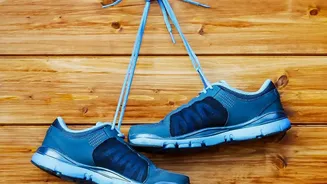
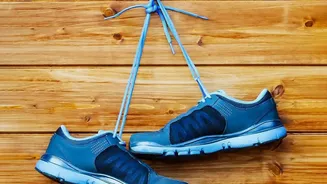
The moment you’re home, the clock starts ticking against water damage. Before you do anything else, take off your wet shoes. If they have removable insoles or inserts, take them out immediately. This simple action allows the inside of the shoe and the insole to
dry separately and much more quickly. Loosen the laces and open up the shoe as much as possible to improve airflow. Give the exterior a quick wipe with a cloth to remove any surface-level mud and grime. This prevents dirt from setting into the material as the shoe dries.
The Drying Game: How to Banish Dampness
The most crucial rule for drying shoes is to avoid direct heat. Sources like a heater, hairdryer, or direct sunlight can cause materials, especially leather, to crack, warp, and weaken the adhesives holding the shoe together. The best method is slow and steady. Stuff your shoes with crumpled newspaper or absorbent paper towels. This classic trick works by wicking moisture from the inside out. For very wet shoes, you’ll need to replace the damp paper with a fresh, dry batch every few hours. Placing the stuffed shoes in front of a fan can significantly speed up the process by promoting air circulation.
Material Matters: A Tailored Approach
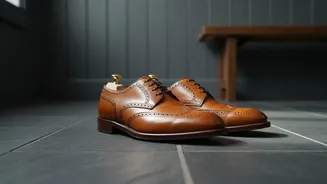
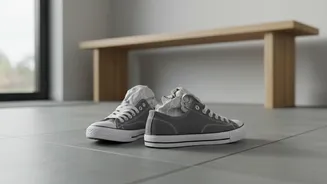
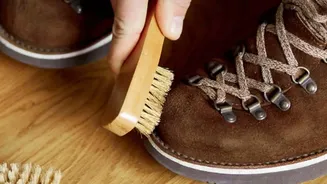
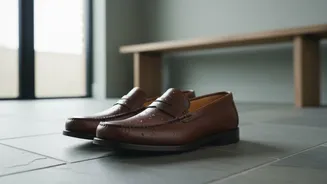
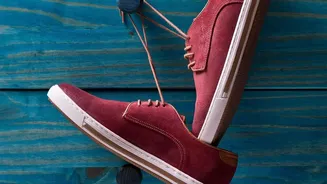
Different shoes require different care. For leather shoes, after they are completely dry, it's essential to apply a leather conditioner. This replenishes the natural oils stripped away by the water, preventing the leather from becoming stiff and brittle. For canvas or fabric sneakers, you can use a gentle cleaning solution of mild soap and water to scrub away any remaining dirt after drying. Suede and nubuck are the most delicate. Never use direct water to clean them. Once dry, use a dedicated suede brush to gently restore the texture (nap) and remove dirt marks.
Conquer the Odour: Fight the Monsoon Stink
Wet shoes are a perfect breeding ground for odour-causing bacteria, which is what creates that infamous musty monsoon smell. Once your shoes are almost completely dry, you can tackle the odour. A generous sprinkle of baking soda inside each shoe left overnight is a highly effective natural deodoriser. It absorbs lingering moisture and neutralises bad smells. Just be sure to tap or vacuum out all the powder before wearing them again. Alternatively, you can place unused dry tea bags or activated charcoal pouches inside to absorb smells.
The Final Step: Smart and Safe Storage
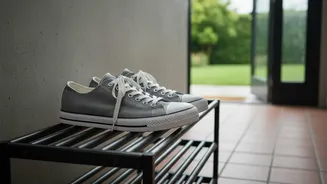
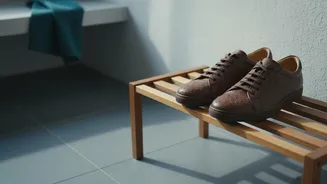
Once your shoes are clean, dry, and smell-free, the final step is storing them correctly to prevent mould and mildew. Never store recently wet shoes in a closed box or a plastic bag. They need to be kept in a cool, dry place with good air circulation. Using cedar shoe trees is an excellent investment, as they help maintain the shoe's shape, absorb any residual moisture, and impart a fresh scent. If you don't have shoe trees, lightly stuffing them with paper can also help them hold their form. For long-term storage in humid climates, placing silica gel packets inside the shoes can help absorb ambient moisture.