





The Siren Call of the Hills
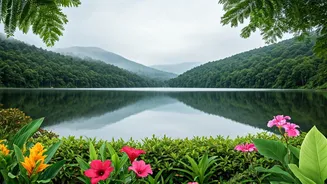
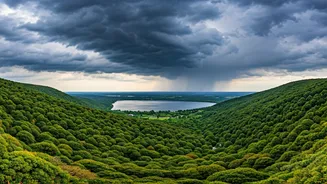
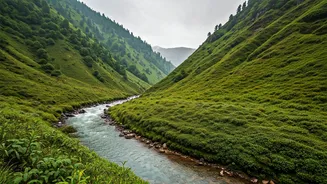
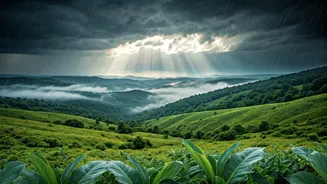
For many, monsoon travel is synonymous with a trip to the mountains. The dream is of cool air, lush green valleys, roaring waterfalls, and sipping hot tea while clouds drift past your window. Destinations across Himachal Pradesh and Uttarakhand have long
been the default choice for a rainy-season escape, promising a dramatic change of scenery from the city. This imagery is powerful, built on years of weekend trips and Bollywood fantasies. The idea of driving up winding roads as the landscape turns a vibrant green is a potent one, and for good reason. When all goes well, a monsoon trip to the hills can be a refreshing and memorable experience.
A Seasonal Reality Check
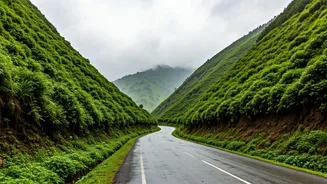
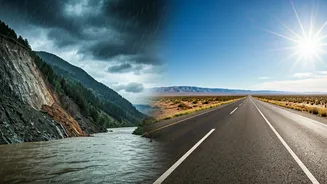
However, the romance of a mountain monsoon is increasingly clashing with a harsh reality. In recent years, the charm of these getaways has been dampened by significant risks. Heavy and often erratic rainfall makes many hill roads genuinely perilous. Reports of landslides, flash floods, and road blockages have become a regular feature of the monsoon season. Just this week, flash floods have already led to the closure of the Manali-Leh highway and cut off villages in Lahaul and Spiti. Authorities in states like Uttarakhand frequently issue travel advisories, warning of the increased risk of such events and sometimes even halting pilgrimages like the Char Dham Yatra for safety. The very roads that promise adventure can quickly become sources of immense stress, leading to long delays, stranded vehicles, and cancelled plans. The dream of a peaceful retreat can easily turn into a logistical nightmare.
The Unexpected Charm of Udaipur in the Rains
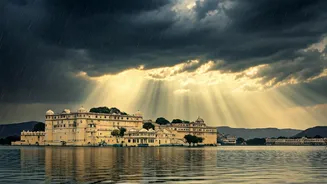
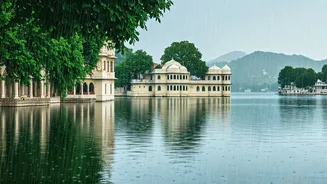
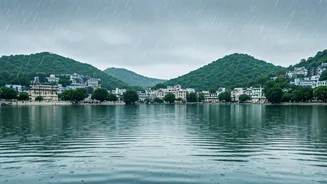
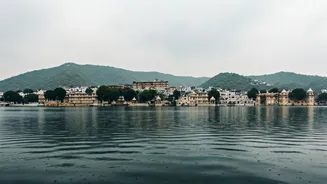
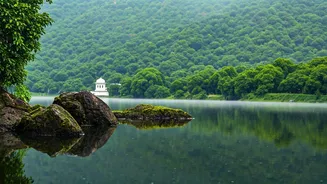
So, where does one go for that magical monsoon feeling without the associated anxiety? The answer may surprise you: Udaipur. Often typecast as a winter destination, the 'City of Lakes' transforms into an enchanting paradise during the monsoon. The scorching summer heat gives way to pleasant, breezy weather, with temperatures becoming quite comfortable. The city, cradled by the Aravalli hills, sheds its arid image as the landscape turns a brilliant, lush green. The lakes—the very heart of Udaipur—fill to the brim, their surfaces mirroring the dramatic monsoon sky and the freshly washed marble of the palaces. It’s a time when the city feels slower, quieter, and arguably at its most romantic.
Romance Without the Roadblocks
Choosing Udaipur in July or August is to choose romance without the risk. While travellers in the Himalayas might be anxiously checking road-status updates, you could be enjoying a serene boat ride on a full and shimmering Lake Pichola. Instead of worrying about landslides, you can explore the majestic City Palace or Jag Mandir, which take on an ethereal quality when seen through a light drizzle. The crowds of the peak winter season are noticeably absent, allowing for a more intimate experience of the city's famed sights. You can visit the Sajjangarh Palace, aptly named the Monsoon Palace as it was built to watch the monsoon clouds, and enjoy panoramic views of the greened landscape. The entire experience is about soaking in the atmosphere, not navigating hazards.
A Different Kind of Monsoon Magic
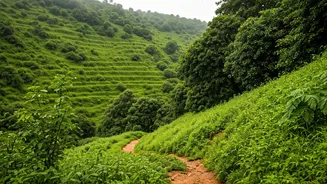
The appeal of a monsoon in Udaipur lies in its accessibility and effortlessness. You get all the elements of a classic rainy-season holiday—the cool weather, the vibrant greenery, the dramatic skies—but within a well-connected and safe urban environment. The city's ghats become perfect spots for enjoying the rain with a cup of tea, and its gardens, like Saheliyon Ki Bari, are at their most beautiful. For those seeking a bit of activity, the surrounding Aravalli hills offer gentle treks on terrain that is far more stable than the geologically fragile Himalayas. From café hopping with lake views to enjoying comforting Rajasthani food, Udaipur offers a complete and stress-free monsoon package that the hills, for all their beauty, currently struggle to match.