



Meet Moringa: The 'Miracle Tree'
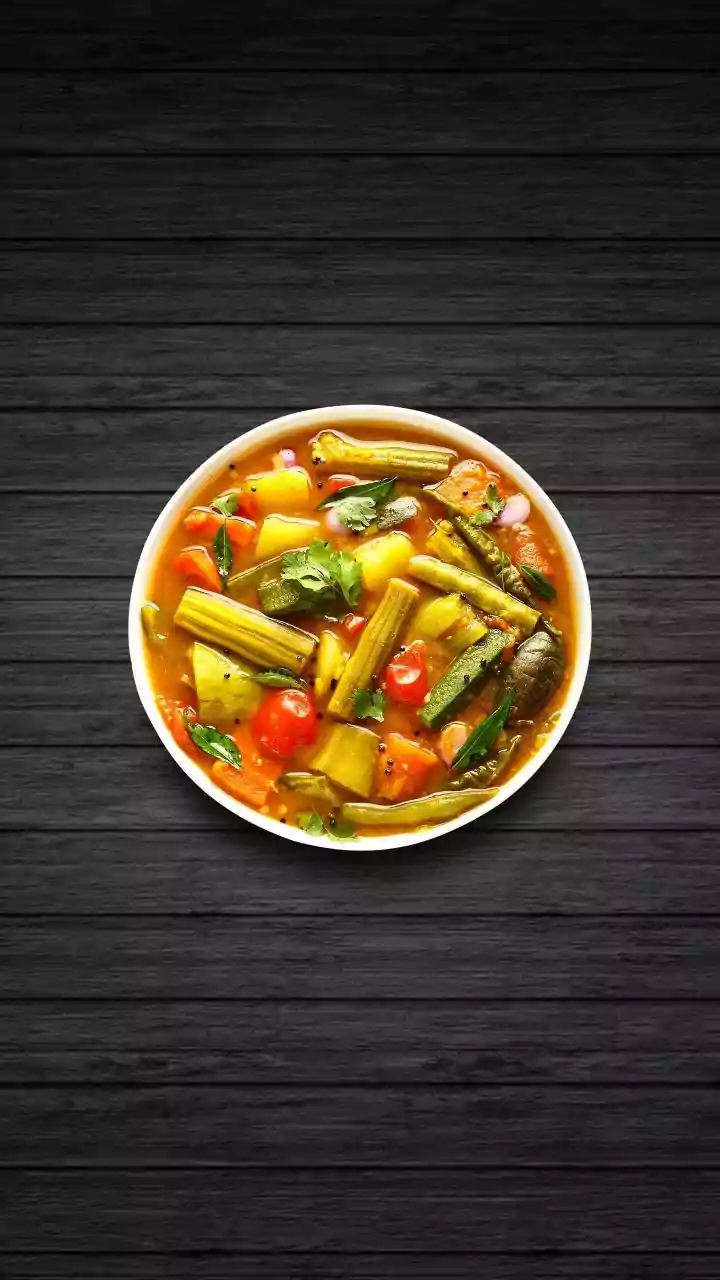
You may have seen it listed in health cafes or as a green powder in wellness stores, but what exactly is moringa? Derived from the Moringa oleifera tree, native to parts of India and Africa, this plant has been used in traditional medicine for centuries.
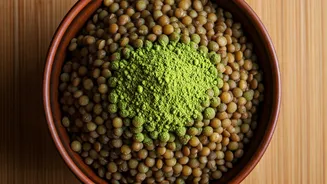
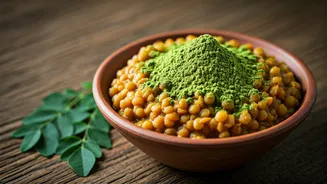
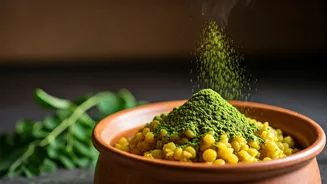
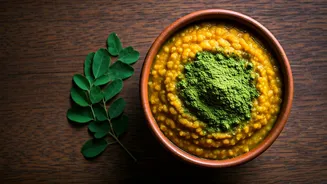
Often called the 'drumstick tree' or 'miracle tree', nearly all parts of it are edible and packed with nutrients. The most common form used today is a powder or flakes made from its dried leaves. Its rise in popularity is no accident; it’s one of the most nutrient-dense plants ever studied, offering a concentrated dose of vitamins, minerals, and antioxidants in a very small serving.
A Nutritional Powerhouse in a Flake
The term 'superfood' is often overused, but moringa's nutritional profile is genuinely impressive. Gram for gram, its dried leaves are a potent source of essential nutrients. They contain significant amounts of Vitamin A, which is crucial for eye health and immune function, and Vitamin C, a powerful antioxidant. Moringa is also rich in iron, potassium, calcium, and plant-based protein, making it an excellent supplement for vegetarians and vegans. Furthermore, it's packed with antioxidants like quercetin and chlorogenic acid, which help combat oxidative stress in the body. Adding just a spoonful of moringa flakes to your meal is an effortless way to increase your intake of these vital compounds without drastically changing your diet.
The Perfect Partner for Your Dal
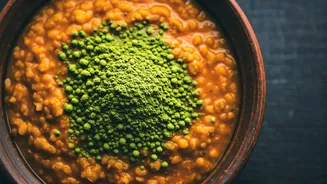
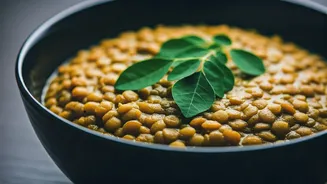
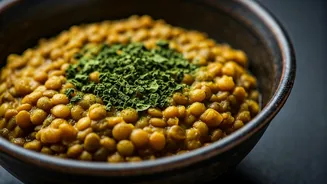
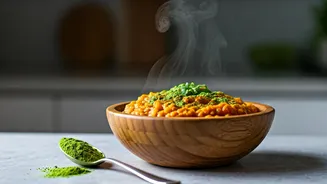
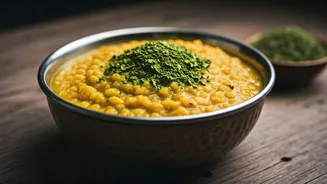
So, why is moringa such a great fit for lentil stew? Firstly, its flavour. High-quality moringa has a mild, earthy, spinach-like taste that blends seamlessly into the complex spices of a typical dal. It won’t overpower the familiar flavours of turmeric, cumin, and coriander that you love. Instead, it adds a subtle depth and a vibrant green tint. Secondly, it’s a simple nutritional upgrade. Lentils are already a fantastic source of protein and fibre. By adding moringa, you're layering on a broad spectrum of vitamins and minerals, turning a healthy meal into a truly supercharged one. It’s an easy win for anyone looking to boost their family’s nutrition without a fuss.
How to Use Moringa in Your Lentil Stew
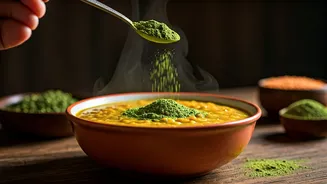
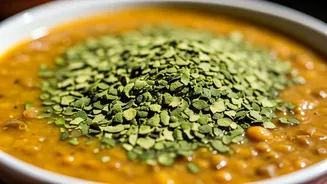
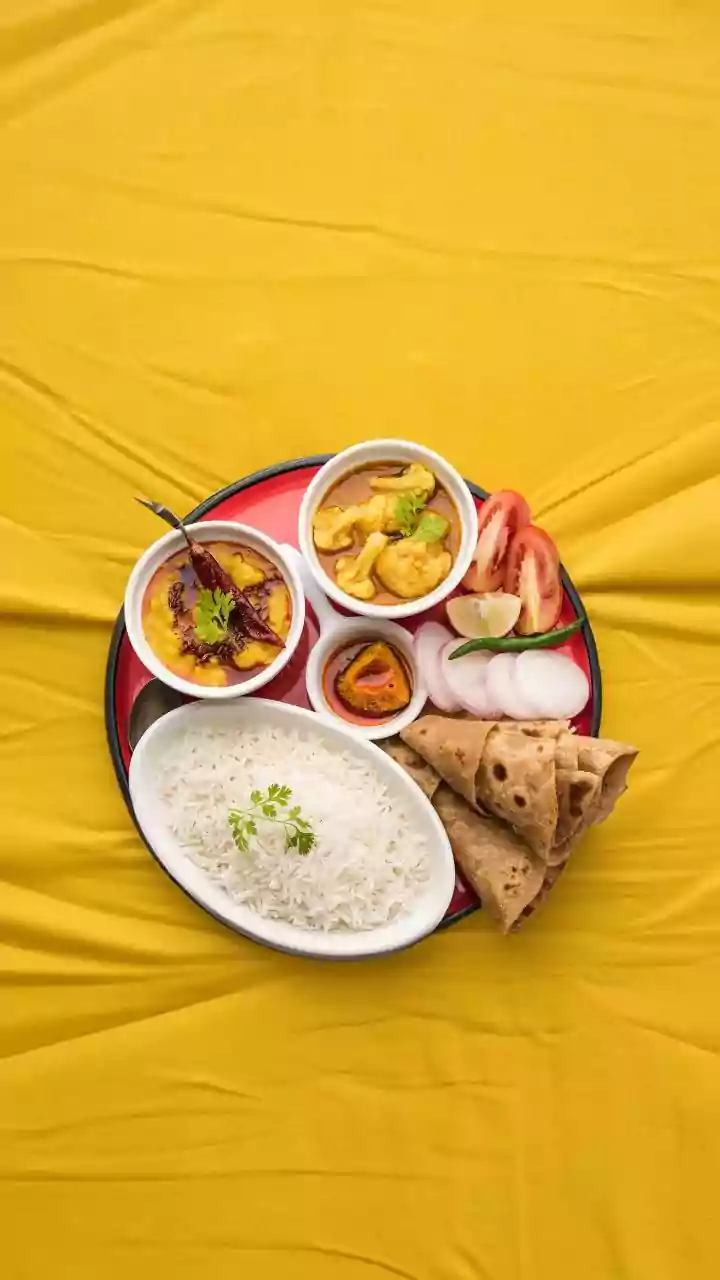
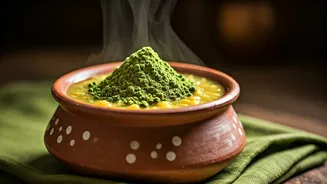
Incorporating moringa into your dal is incredibly simple. The key is to add it at the right time to preserve its delicate nutrients, which can be degraded by prolonged heat. Follow these easy steps: 1. **Prepare your dal as usual:** Whether you prefer masoor, toor, or moong dal, cook it with your favourite spices, aromatics like ginger and garlic, and vegetables until it’s soft and has reached your desired consistency. 2. **Add moringa at the end:** Once the dal is fully cooked and you've turned off the heat, stir in the moringa flakes or powder. This prevents overcooking and helps retain its nutritional value. 3. **Start small:** For a pot of dal that serves 3-4 people, start with one teaspoon of moringa flakes. Stir it in well. You can gradually increase the amount to one tablespoon as you get used to the taste. 4. **Finish with tadka:** Prepare your tempering (tadka) with ghee or oil, cumin seeds, mustard seeds, and dried red chillies. Pour the hot tadka over the dal. This final step helps meld the flavours together beautifully. Let the stew sit for a few minutes before serving to allow the moringa to fully incorporate.
Buying and Storing Tips
To get the most benefit, choose a high-quality moringa product. Look for 100% pure moringa leaf powder or flakes from a reputable brand. The colour should be a vibrant green, not a dull, brownish-yellow, as that can indicate old or poorly processed leaves. Store your moringa in an airtight container in a cool, dark, and dry place, like a kitchen cabinet away from the stove. Light and heat can degrade its nutrient content over time. While generally safe for most people, those who are pregnant, breastfeeding, or on medications for thyroid issues, diabetes, or high blood pressure should consult their doctor before adding moringa to their diet.