


The New Indian Aesthetic
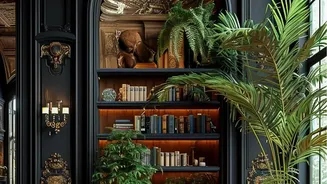
For years, 'Indian interiors' often meant rooms saturated with heavy, dark wood furniture and an abundance of ethnic prints. While beautiful, this aesthetic is making way for something lighter, more personal, and deeply contemporary. Today's design movement
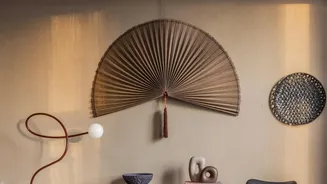
is less about replication and more about interpretation. The focus is shifting towards creating spaces that feel both globally relevant and culturally rooted. This new approach champions a balance where minimalism provides the canvas, and curated Indian elements tell the story. It’s a design ethos that proves tradition doesn't have to be loud to be present; it can also be a quiet, confident whisper. This evolving style, often called 'Contemporary Heritage', is now one of the fastest-growing aesthetics in urban Indian homes.
A Renaissance of Craft
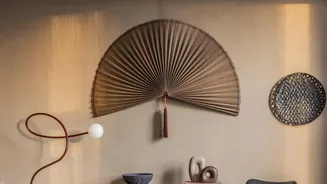
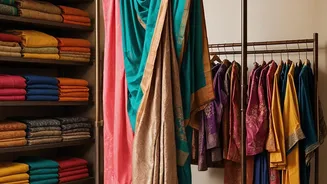
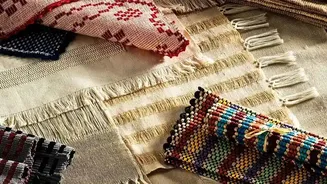
Central to this new aesthetic is the revival and reinterpretation of indigenous crafts. No longer relegated to souvenir shops, traditional techniques and materials are becoming integral parts of the architectural fabric. We're seeing a resurgence in the use of sustainable and natural materials like terracotta, cane, jute, and lime plaster, which bring an earthy warmth to modern layouts. Designers are collaborating with artisan clusters to integrate everything from intricate wooden carving and metalwork to handwoven textiles into contemporary settings. Techniques like block-printing, zardozi embroidery, and Bidriware are finding new life not on traditional clothing, but on cushions, wall panels, and bespoke furniture, creating a dialogue between the artisan's hand and the architect's vision. This approach doesn't just beautify a space; it supports artisanal livelihoods and keeps ancient skills relevant.
Designing with Memory
Perhaps the most soulful element of this trend is the focus on 'memory'. Homes are becoming chronicles of personal histories, where heirlooms are not hidden away but given pride of place. An old wooden chest, a grandmother's sari framed as art, or a vintage brass lamp are no longer just objects, but focal points rich with stories. This idea of 'Granny Chic 2.0' isn't about creating a cluttered, old-fashioned home; it's about the intentional curation of meaningful pieces. A single, well-placed antique can anchor a minimalist room, providing character that mass-produced items cannot. By layering these inherited pieces with modern furniture, designers are creating spaces that feel unique and deeply personal, proving that the most meaningful homes are those that carefully edit, rather than erase, the past.
The Modern Foundation
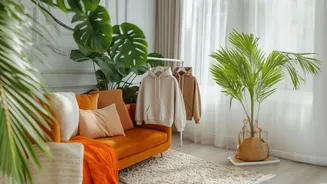
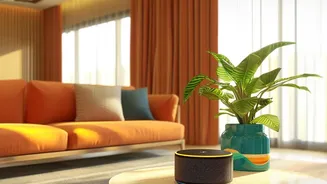
This fusion is successful because it stands on a foundation of modern design principles. The 'less is more' approach is key. Clean lines, open floor plans, and an emphasis on natural light create a calm, uncluttered backdrop that allows the craft and memory pieces to shine. The colour palette has also shifted from overwhelming jewel tones to warmer, earthier neutrals like terracotta, olive, beige, and sand, which feel soothing in the Indian light. This minimalist framework prevents the space from feeling like a museum. Instead, the modern architecture acts as a quiet stage, letting the intricate patterns of a hand-carved jali screen or the rich texture of an Ikat cushion become the celebrated protagonists. The balance ensures the home remains functional, comfortable, and stylishly current.