


A Legacy on the Table
In Kerala, the jackfruit, or 'chakka', is more than just a fruit; it’s a cultural touchstone. Officially declared the state fruit, its history is woven into the fabric of Malayali life, with a presence in backyards and on dinner plates for centuries.
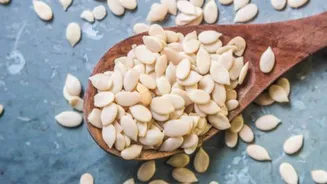
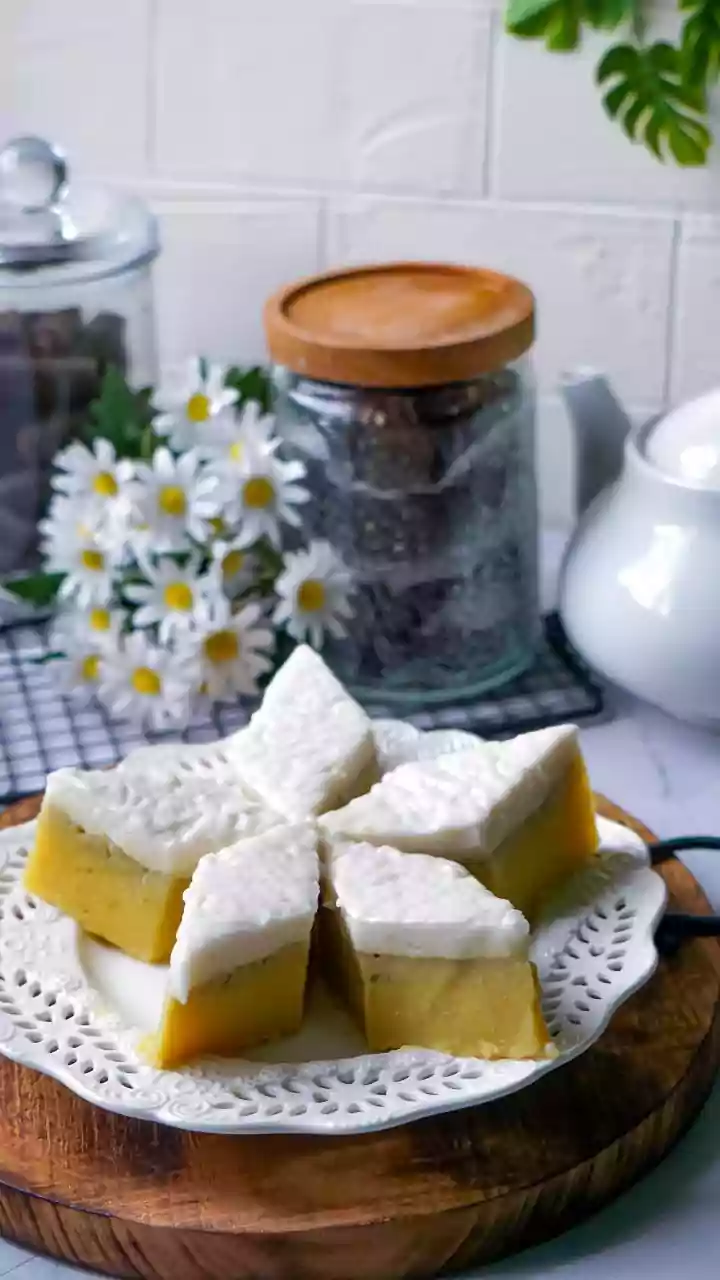
Traditionally, it was a dependable staple, a source of sustenance when other foods were scarce. Classic preparations like 'chakka puzhukku'—raw jackfruit steamed and mashed with a coarse coconut paste—are comfort food, often paired with a fiery fish curry. The ripe fruit finds its way into desserts and preserves like 'chakka varatti', a slow-cooked jackfruit jam. Even its seeds are used in stir-fries and curries. This versatility has made it a mainstay, but for a long time, it was seen as rustic and commonplace, a symbol of rural life rather than urban sophistication.
The Urban Renaissance
So, why is this familiar fruit suddenly the talk of the town? The chakka's revival in urban centres like Kochi and Thiruvananthapuram is driven by a perfect storm of modern trends. A new wave of health consciousness is a major factor. Jackfruit is packed with nutrients, high in fibre, and rich in vitamins C and B-complex. Its raw form, in particular, has gained fame as a 'superfood' and a fantastic plant-based meat substitute due to its fibrous texture, making it ideal for health-conscious and vegan diets. Beyond health, there's a growing appreciation for sustainable, local eating. With an abundance of jackfruit growing pesticide-free in local homesteads, it's a natural fit for the farm-to-table movement. This shift is also fuelled by nostalgia, as city dwellers seek to reconnect with the flavours of their childhood in new and exciting ways.
From Puzhukku to 'Pulled' Jackfruit
The real excitement lies in the culinary creativity being unleashed. While traditional dishes remain beloved, urban home cooks and innovative chefs are transforming jackfruit into a modern culinary canvas. Raw jackfruit's meat-like consistency is being brilliantly exploited in dishes that would have been unimaginable a decade ago. Think 'pulled' jackfruit burgers that mimic pulled pork, spicy jackfruit biryani, crispy cutlets, and even tacos. Cafes are featuring jackfruit sliders and wraps on their menus. The ripe fruit isn't left behind either. It's being churned into artisanal ice creams, blended into smoothies, and baked into cakes. This culinary experimentation bridges the gap between tradition and global food trends, making chakka appealing to a younger, more adventurous generation of foodies.
The Innovators Behind the Trend
This revival isn't a top-down movement; it's bubbling up from kitchens and social media feeds. Home cooks are sharing their family recipes and modern experiments online, creating a vibrant community of jackfruit enthusiasts. Food bloggers and YouTubers are showcasing everything from simple 'idichakka thoran' (tender jackfruit stir-fry) to elaborate multi-course meals. Simultaneously, boutique restaurants and cafes in Kerala's cities are championing the fruit, introducing seasonal 'Chakka Special' menus that draw in curious diners. This grassroots energy is complemented by a push from the state to promote jackfruit's value, recognising its potential not just as a food source, but as a wellness product.