

The Living Magic in Our Kitchens
Fermentation is a natural process where microorganisms like yeast and bacteria break down sugars and starches in food. While it might sound like a modern wellness buzzword, this practice has been a cornerstone of Indian cooking for thousands of years,
with mentions in ancient texts like the Vedas. Long before refrigeration, our ancestors used this ingenious technique not just to preserve food but also to unlock new flavours, improve digestibility, and boost nutritional value. A batter left to bubble overnight or a jar of pickles sunning on a balcony are not passive ingredients; they are alive, transforming simple staples into culinary treasures. It is this slow, background magic that gives many long-lived dishes their unique character and health benefits.
South India's Breakfast Heroes
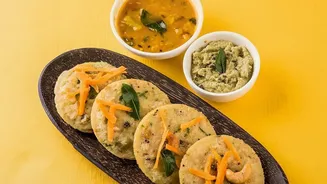
Nowhere is the power of fermentation more celebrated than in the South Indian kitchen. The iconic duo of idli and dosa are prime examples. Both begin as a simple batter of soaked rice and urad dal (black gram). When left to ferment for 8 to 16 hours, naturally occurring yeasts and bacteria get to work. This process does three wonderful things: it creates the carbon dioxide that gives idlis their signature spongy, light texture; it develops the subtle tangy flavour that makes a dosa so addictive; and it breaks down complex carbohydrates and proteins, making the dishes easier to digest. This transformation also increases the bioavailability of nutrients like B vitamins and iron, turning a simple meal into a powerhouse of nutrition.
Beyond the Batter: Dahi and Dhokla
The influence of fermentation extends far beyond South India. Look at dhokla, the beloved spongy snack from Gujarat. It’s made from a fermented batter of gram flour (besan) or a rice-lentil mix. The fermentation gives dhokla its airy structure without needing yeast or baking soda, a testament to traditional culinary ingenuity. Perhaps the most universal fermented food in India is dahi, or curd. A staple in nearly every household, dahi is a natural source of probiotics that support a healthy gut microbiome. It cools the body, aids digestion, and serves as the base for countless raitas, curries, and drinks like lassi. Its presence in meals is a daily dose of wellness that has been part of our food culture for centuries.
The Enduring Legacy of Achar
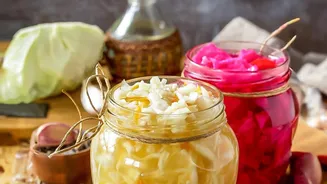
No discussion of Indian fermentation is complete without mentioning pickles, or achar. Pickling is a tradition that dates back thousands of years in India, primarily as a method of preserving seasonal fruits and vegetables to be enjoyed year-round. While not all pickles are fermented, many traditional recipes rely on a slow fermentation process in oil and spices, which develops deep, complex flavours. From fiery mango pickles in the north to tangy lime pickles in the south, each region has its own signature style. More than just a condiment, pickles are a cornerstone of Indian households, with recipes passed down through generations. Preparing pickles is often a communal activity, and sharing them is an act of love, making each jar a taste of home and heritage.
Ancient Wisdom Meets Modern Science
Today, modern science is validating the wisdom behind these age-old practices. Studies have shown that a diet rich in fermented foods can improve gut microbe diversity and reduce inflammation. The probiotics in foods like dahi, idli, and dhokla help maintain a healthy balance of good bacteria in the digestive system, which is crucial for a strong immune system. Fermentation also helps address nutritional gaps by producing B-group vitamins and making minerals like iron and calcium easier for the body to absorb. By incorporating these traditional foods into our diets, we are not just enjoying delicious meals; we are benefiting from a sophisticated nutritional strategy developed over centuries.