








The Myth: The 'Anabolic Window'
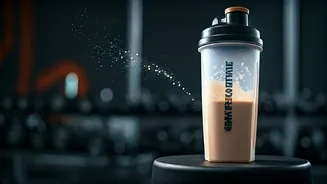
You’ve seen it: the person frantically shaking a protein mixer in the locker room, convinced that every second wasted is a gain lost. This is the 'anabolic window' theory in action. The concept suggests that for about 30 to 60 minutes after a workout,
your muscles are like sponges, primed to absorb protein and kickstart muscle protein synthesis (MPS)—the process of repairing and building muscle tissue. [7, 9] The belief is that consuming protein within this narrow timeframe is critical for maximising recovery and growth. [5] This idea became deeply ingrained in fitness culture, driven by early research and promoted by the supplement industry, creating a sense of urgency around post-exercise nutrition. [7, 9]
The Reality: What Modern Science Says
While there's a kernel of truth to the idea—your muscles are indeed more receptive to nutrients after exercise—the window isn't a tiny porthole that slams shut. [8] More comprehensive, recent research has revealed this 'window of opportunity' is much wider, lasting for several hours, not just minutes. [7, 8] A landmark 2013 meta-analysis found that when total daily protein intake was accounted for, the supposed benefits of immediate post-workout protein largely disappeared. [5, 18] In other words, it wasn't the specific timing that made the difference, but the overall amount of protein consumed throughout the day. [4, 5] Studies have since reinforced this, showing no significant difference in muscle growth or strength gains between groups who consumed protein immediately after a workout and those who had it hours later, provided their total daily protein was sufficient. [1, 14]
Total Daily Protein: The Real Star of the Show
So, if the 30-minute window is a myth, what should you focus on? The overwhelming scientific consensus points to one key factor: total daily protein intake. [3, 5, 14] Think of it this way: building muscle is a long-term construction project, not a single, timed event. Your body needs a consistent supply of building materials (amino acids from protein) throughout the day. Most sports nutrition experts recommend a daily intake of around 1.6 to 2.2 grams of protein per kilogram of body weight for active individuals aiming to build muscle. [8, 18] Hitting this overall target is far more impactful than stressing about the exact minute you consume your protein shake. Spreading this intake across 3-4 meals or snacks throughout the day helps maintain a steady state of muscle repair and growth. [8, 11]
Practical Advice: How to Time Your Protein Without the Stress
This doesn't mean timing is completely irrelevant, just that it’s less critical than once believed. [7] A sensible approach is to have a protein-rich meal or snack within a few hours before or after your workout. [8] If you train in a fasted state (for example, first thing in the morning before breakfast), having a post-workout protein source more promptly can be beneficial. [18] However, if you had a protein-containing meal a few hours before your workout, your body already has a pool of amino acids circulating, which buys you plenty of time. [8] The bottom line is to let go of the panic. Focus on a balanced diet rich in quality protein sources from foods like lean meats, eggs, dairy, and legumes. A post-workout shake can be a convenient option, but it's not a magic bullet that loses its power after 31 minutes. [8] The goal is consistency over panicked precision.