

The 1920s Finger Wave, Reimagined
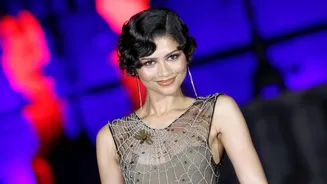
The original finger wave was a masterpiece of control. Hair was slicked down and sculpted into tight, glossy S-shapes that hugged the scalp, a signature look of the flapper era. It required a lot of gel and patience. The modern version takes a much softer
approach. Instead of a full head of rigid waves, today’s look focuses on creating a gentle S-wave around the face, often on just one side. It’s less about structure and more about adding a touch of old-school elegance to loose hair or a low ponytail. To achieve it, use a styling mousse on damp hair and a comb to create the initial shape, but keep the waves loose and touchable rather than shellacked into place. This creates a softer, more romantic frame for the face without the commitment of the full 1920s treatment.
The 1940s Victory Roll, Simplified
Victory rolls were a hallmark of the 1940s, named for the elaborate rolls of hair worn on top of the head that resembled the aerobatic manoeuvres of fighter planes. The classic look often involved two large, symmetrical rolls that created significant height. While impressive, it’s a lot for a regular Tuesday. The contemporary update is all about simplification. Instead of two dramatic rolls, try creating a single, smaller roll on one side of your part. You can also incorporate the idea into a half-up style, with a subtle rolled bouffant at the crown leading into loose waves. The key is to backcomb a section at the front, roll it inwards towards your scalp, and pin it securely, but keep the roll softer and less perfect than the wartime original. This gives a nod to vintage glamour without looking like you’re in costume.
The 1960s Beehive, Softened
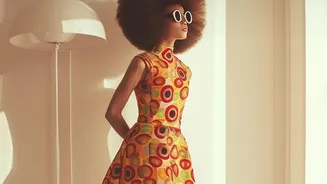
The 1960s beehive was an icon of height and volume, a towering updo built with aggressive backcombing and a cloud of hairspray. It was structured, statement-making, and often stiff. Today, the spirit of the beehive lives on in its much more relaxed descendant: the modern bouffant. Instead of a perfectly conical shape, the modern version focuses on creating soft volume at the crown of the head. This can be done as a half-up, half-down style, with the top section teased gently and pinned back, leaving the rest of the hair down and flowing. Another option is a beehive-inspired ponytail, where the height is concentrated at the crown before the hair is gathered into a low or mid-level pony. It captures the elegance and lift of the original but with a softer, more touchable finish that moves with you.
The 1970s Shag, Evolved
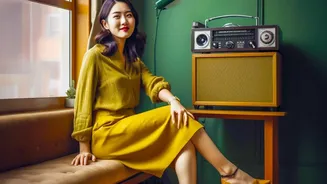
The quintessential rock-and-roll cut of the 70s, the shag was defined by its choppy layers, heavy fringe, and rebellious attitude. The classic shag had a stark contrast between the shorter layers on top and the longer, thinned-out ends. Fast forward to today, and the shag has evolved into styles like the 'wolf cut' and 'shullet', which are softer and more blended. The modern shag keeps the face-framing layers and texture but blends them more seamlessly for a less jarring look. It often features curtain bangs that sweep to the sides rather than a heavy, blunt fringe. This updated version is prized for its low-maintenance, air-dry-friendly nature, offering movement and texture without the harshness of the original. It's a versatile cut that can be adapted for long, short, curly, or straight hair, proving the shag’s enduring appeal.