

Why Your Knife Skills Matter
The way you cut a vegetable does more than just change its shape; it fundamentally alters its taste and texture. A different cut changes the vegetable's surface area, which in turn affects how it cooks and absorbs flavours. A large, rough chop is perfect
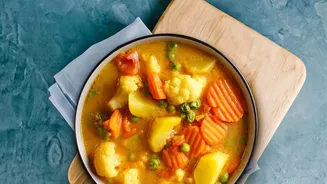
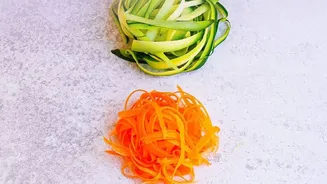
for slow-cooked stews where you want the vegetable to hold its shape. Finely dicing an onion, on the other hand, allows it to melt into a sauce, releasing more of its aromatic compounds and creating a deeper flavour base. Think about a simple carrot. Cut into round coins, it cooks up soft and sweet. Grated, it provides a moist, delicate texture to salads or batters. Cut into long, thin matchsticks (a julienne cut), it becomes crisp and is ideal for a quick stir-fry, offering a satisfying crunch. This principle applies to all vegetables: uniform cuts ensure even cooking, meaning no more half-mushy, half-raw pieces in your final dish.
Mastering a Few Basic Cuts
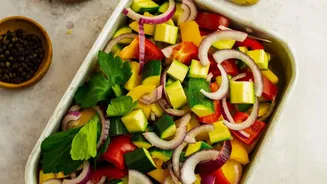
You don’t need to be a culinary school graduate to elevate your cooking. Mastering a few essential cuts can make a world of difference. A 'dice' simply means cutting vegetables into small, uniform cubes, which is great for everything from soups to salsas. A 'julienne' creates those thin, matchstick-like strips perfect for salads, slaws, and quick sautés. For leafy greens like spinach or herbs like basil, the 'chiffonade' technique, where you roll the leaves and slice them into thin ribbons, releases their aroma and makes for a beautiful garnish. Finally, a simple 'rough chop'—cutting vegetables into similarly sized but irregular pieces—is your go-to for rustic roasts or foundational stocks where presentation isn't the primary concern. Honing these basic skills will make your prep work faster and your finished dishes more consistent and professional.
Pairing Cuts with Cooking Methods
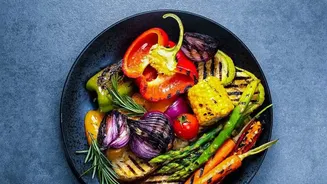
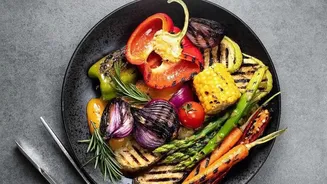
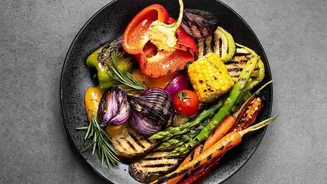
The true magic happens when you start pairing specific cuts with the right cooking methods. Those long, flat planks of zucchini or brinjal? They are perfect for grilling, as the large surface area develops a beautiful char and smoky flavour. Finely diced vegetables like carrots, onions, and celery—a classic mirepoix—are designed to be sweated in oil to form the aromatic base for countless sauces and stews. Thinly sliced vegetables, like potatoes for chips or cucumbers for a salad, provide a delicate texture. The 'baton' or stick cut is ideal for French fries or vegetable sticks for dipping because its thickness allows it to become crispy on the outside while staying fluffy inside. A quick stir-fry demands thin, uniform cuts like julienne or bias (diagonal) cuts, which cook rapidly and evenly in a hot wok. Thinking about the cooking method first will help you decide which knife technique to use.
Transforming Your Seasonal Sabzi
Let's apply this to vegetables you’ll find in an Indian market. Take lauki (bottle gourd), often relegated to simple curries. Instead of cubing it, try grating it to make a delicious raita or koftas. You can also slice it into thin rounds and pan-sear them with spices for a quick side dish. Bhindi (okra) can be frustrating when it becomes slimy. To avoid this, ensure it's completely dry, then slice it lengthwise or into thick rounds for a crispy stir-fry or bake. During winter, instead of just cubing carrots for a mix-veg curry, try shaving them into ribbons with a peeler and tossing them in a salad with a light vinaigrette. Palak (spinach) can be finely chopped for a bhurji or left in larger pieces for saag, each offering a different texture. By changing your approach, a single vegetable can yield a dozen different culinary experiences.