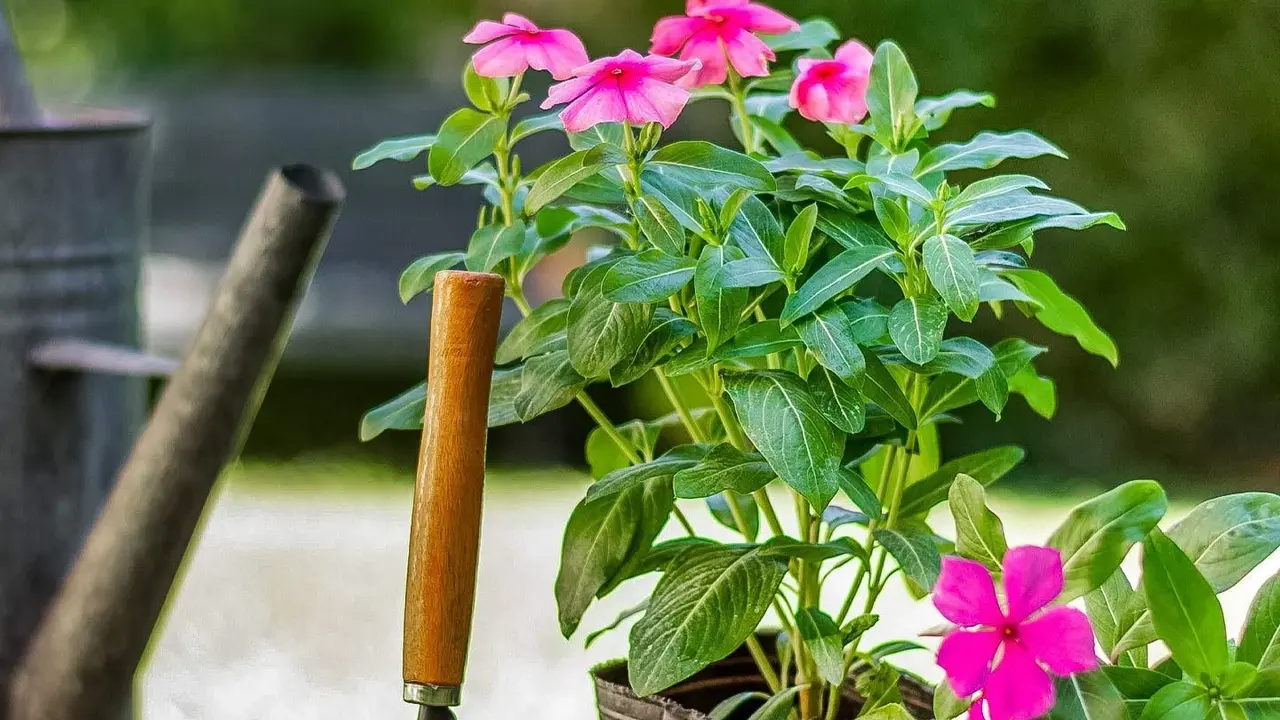

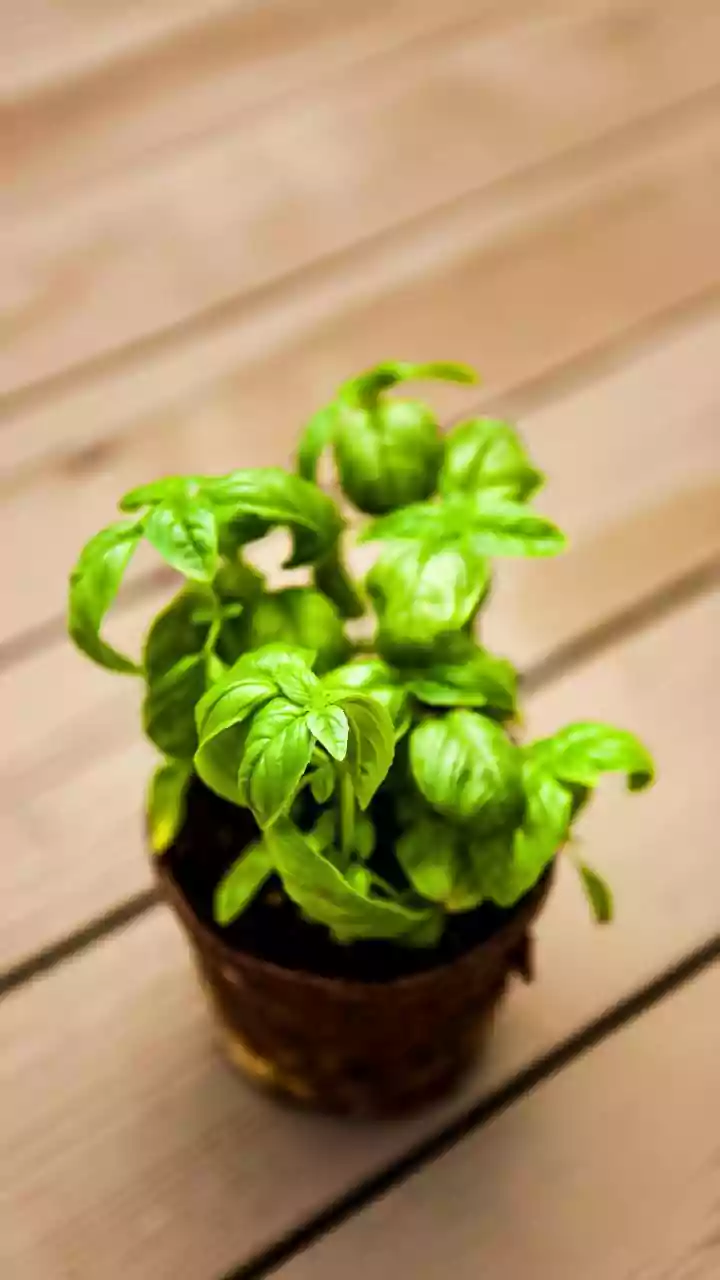






Winter mornings bring a picturesque layer of dew, blanketing balcony plants in a delicate sheen. But this moisture, while beautiful, is a welcome mat for fungal diseases that can harm your cherished green companions.
The Science Behind Winter Dew
Dew forms when surfaces cool down overnight,
causing moisture in the air to condense into tiny droplets. During Indian winters, the nights are longer and cooler, while days can remain relatively mild. This temperature swing creates the perfect conditions for heavy dew to form and linger on plant leaves for extended periods. Unlike a quick rain shower, dew provides a consistent, low-level moisture film that can last from late evening until mid-morning, sometimes for 8 to 12 hours straight. This prolonged period of wetness is far more dangerous for plants than the dew itself.
Why Prolonged Moisture is a Fungal Magnet
Most fungal spores are ever-present in the environment, carried by wind or hiding in soil and plant debris. They are essentially dormant seeds waiting for the right conditions to germinate and infect a host. The single most critical factor for many of these pathogens is a sustained period of wetness. When a leaf remains wet for several hours, these spores can absorb the water, spring to life, and penetrate the plant's tissue. Diseases like powdery mildew, downy mildew, black spot, and rust thrive in these exact conditions. The humid, still air often found on enclosed or crowded balconies further traps this moisture, creating a perfect breeding ground for an outbreak.
What to Look For: Identifying Fungal Activity
Vigilance is your best tool. Make it a habit to inspect your plants, especially during the cooler months. Pay close attention to the leaves, stems, and buds. Common signs of fungal infection include white, powdery splotches that look like sprinkled talcum powder, which is a classic sign of powdery mildew. You might also see yellow or brown spots, sometimes with a dark border, which could indicate leaf spot diseases or anthracnose. Other symptoms include distorted new growth, yellowing leaves that drop prematurely, or even fuzzy grey mould. Catching these signs early makes treatment significantly easier and more effective.
Proactive Steps for Prevention
Prevention is always better than cure. To minimise the risk of fungal diseases, focus on managing moisture and airflow. First, ensure your pots have excellent drainage to avoid waterlogged soil, which fungi love. When you water, do it in the morning. This allows the foliage to dry out completely during the day, rather than staying damp overnight and adding to the dew's wetness period. Water the soil directly at the base of the plant, avoiding splashing the leaves. Finally, don't overcrowd your pots. Good air circulation is crucial for drying leaves and preventing humid pockets where fungi flourish. If your balcony is very sheltered, a small, low_speed oscillating fan can work wonders.
Simple, Balcony-'Friendly' Treatments
If you spot a fungal issue, act quickly. Isolate the infected plant to prevent it from spreading. For minor infections, simply pruning the affected leaves can be enough. Dispose of the clippings in the trash, not your compost. For a more active approach, several natural remedies are effective. A spray made from neem oil is a popular natural fungicide in India. Another common homemade solution is a mixture of baking soda, a few drops of mild liquid soap, and water. This spray works by altering the pH of the leaf surface, making it inhospitable to fungal spores. Always test any spray on a small part of the plant first to ensure it doesn't cause damage.