





The Game Plan: Strategy Before Shopping
The most effective way to control your festive food spending is to plan before you even step into a store. Start by listing all the special meals, sweets, and snacks you intend to make. This isn't just a shopping list; it's a culinary blueprint for your celebration.
Once you have your menu, do a thorough inventory of your pantry, fridge, and spice rack. You might be surprised by what you already have. This simple step prevents buying duplicate ingredients and reduces waste. Based on what you need, create a detailed, item-by-item shopping list. A list is your best defence against impulsive purchases that can derail your budget. Sticking to it requires discipline, but it's one of the most powerful money-saving habits.
Smart Shopping: Where and When to Buy
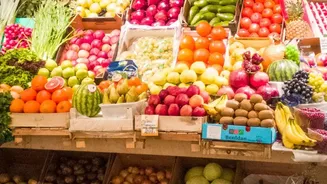
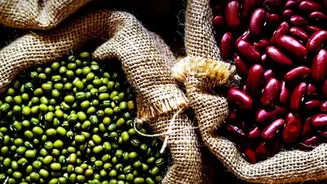
With your list in hand, it's time to shop strategically. For staples like rice, atta, sugar, and lentils, consider buying in bulk from wholesale markets or cooperative stores. The per-kilogram price is often significantly lower than buying small, frequent packages from a local kirana store. For perishable items like vegetables and fruits, your local sabzi mandi or weekly haat is usually a better bet than a supermarket. Produce is often fresher and cheaper as you bypass the costs of cold-chain storage and transportation that supermarkets pass on to consumers. Also, be mindful of seasonality. Festive dishes made with seasonal produce will always be more affordable. For example, using carrots for halwa in winter is far more economical than using them out of season.
Mastering the Menu: Balance and Ingenuity
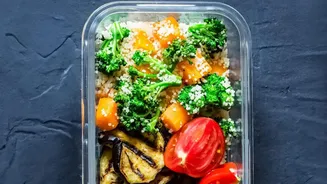
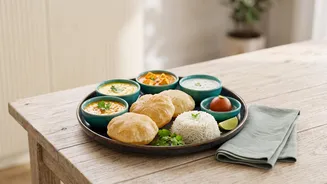
A festive spread doesn't need every single dish to be elaborate or expensive. The key is balance. For every rich, ghee-laden dish that uses costly ingredients like cashews or saffron, plan a few simpler, but equally delicious, accompaniments. A simple dal tadka, a seasonal vegetable stir-fry, or a refreshing raita can round out a meal beautifully without adding significant cost. Don't be afraid to make smart swaps. If dry fruit prices are soaring, consider using roasted peanuts or seeds for crunch in sweets. Explore regional festive recipes, as many are designed to be both delicious and economical. This is also a great time to reduce food waste; plan to use leftovers from one meal to create a new dish the next day, like turning leftover pulao into spiced fried rice.
The Power of Potluck: Share the Joy and the Cost
Festivals are about community, and embracing that spirit can also be great for your budget. If you're planning a large family gathering, suggest a potluck. Assigning different categories of dishes—appetisers, a main curry, a dry vegetable, bread, dessert—to different family units spreads the financial and labour load. This approach not only ensures a diverse and exciting menu but also transforms the meal into a collaborative celebration. It takes the pressure off a single host to provide everything and allows everyone to contribute their signature dish. This shared approach can make the celebration feel more inclusive and less like a financial burden on one household.
Context is Key: Understanding Today's Prices
It helps to know what’s happening with food prices. As of August 2026, India's food inflation stood at 5.95%, which is higher than the overall retail inflation rate of 4.82%. This means that the cost of food is rising faster than other goods and services, a trend that disproportionately affects household budgets. Prices for essentials like onions, pulses, and spices have seen significant increases ahead of the festive season. For example, reports from September 2026 noted that sugar prices have risen significantly, which could make traditional sweets more expensive to prepare. Being aware of these trends allows you to be a more conscious shopper, perhaps buying certain items earlier if you anticipate a price spike or finding creative substitutes for things that have become too costly.