

From Tradition to Trend
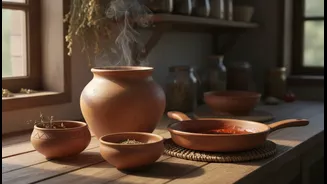
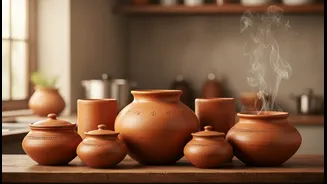
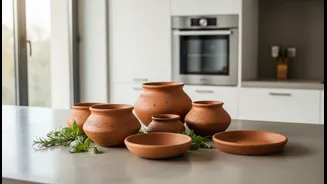
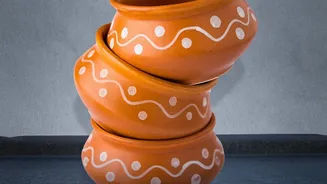
For thousands of years, cooking in clay pots, or handis, was the default across India. Modern materials like stainless steel and aluminium promised durability and convenience, pushing earthenware to the background. By the late 20th century, they were
mostly relics of rural or ceremonial cooking. Today, however, a growing number of urban home cooks, chefs, and health-conscious individuals are rediscovering their value. This resurgence isn't just a fleeting trend; it's a conscious choice driven by a desire for healthier, more flavourful food and a connection to sustainable practices.
The Science of Superior Flavour
The magic of clay cookware lies in its porous nature. Unlike metal, unglazed clay breathes, allowing heat and moisture to circulate slowly and evenly throughout the pot. This creates a gentle cooking environment that prevents food from drying out, resulting in dishes that are remarkably tender and succulent. This slow, even heating process allows flavours to meld and develop a depth that's hard to achieve with high-heat metal cookware. Many users report an earthy, subtle aroma that enhances the food's natural taste without overpowering it.
A Boost for Health and Wellness
One of the most compelling reasons for the comeback is health. Clay is naturally alkaline, which helps to neutralise the pH of acidic foods, potentially making them easier to digest. The slow cooking process also requires significantly less oil, making it ideal for preparing lower-fat meals. Furthermore, the gentle heat preserves more of the food's delicate nutrients, like vitamins, which can be destroyed by the harsh, high temperatures of metal pans. Earthen pots are also free from the chemical coatings found on some non-stick pans, ensuring no unwanted substances leach into your meals.
Choosing the Right Clay Pot
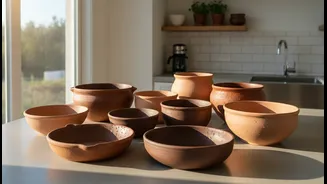
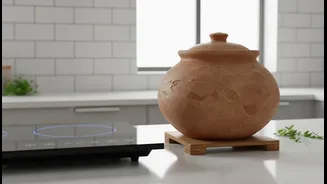
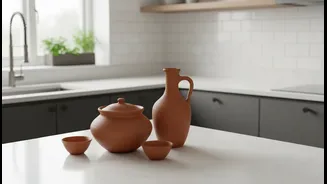
When buying a clay pot, the main choice is between unglazed and glazed. Unglazed pots are the most traditional, offering the full benefits of a porous surface that allows food to breathe. They require seasoning before the first use. Glazed pots have a sealed, glass-like interior, making them easier to clean and non-reactive, but they offer less of the moisture-circulating benefits. It’s crucial to buy from a reputable source to ensure the clay and any glaze used are free of lead and other harmful chemicals. A good pot should feel heavy and sturdy.
Getting Started: Seasoning and Care
Properly seasoning an unglazed clay pot is essential to prevent it from cracking and to remove any raw, earthy smell. The most common method involves soaking the pot and lid in water for several hours, or even overnight. Afterwards, some cooks recommend boiling rice-starch water in it or rubbing the interior and exterior with a neutral oil. For cleaning, avoid using harsh detergents or steel scrubbers, as the porous clay can absorb them. Instead, use hot water, baking soda, and a soft brush. Always start cooking on a low flame and increase the heat gradually to avoid thermal shock, which can cause cracks.