



The Foundation: Minimalist Wooden Organizers
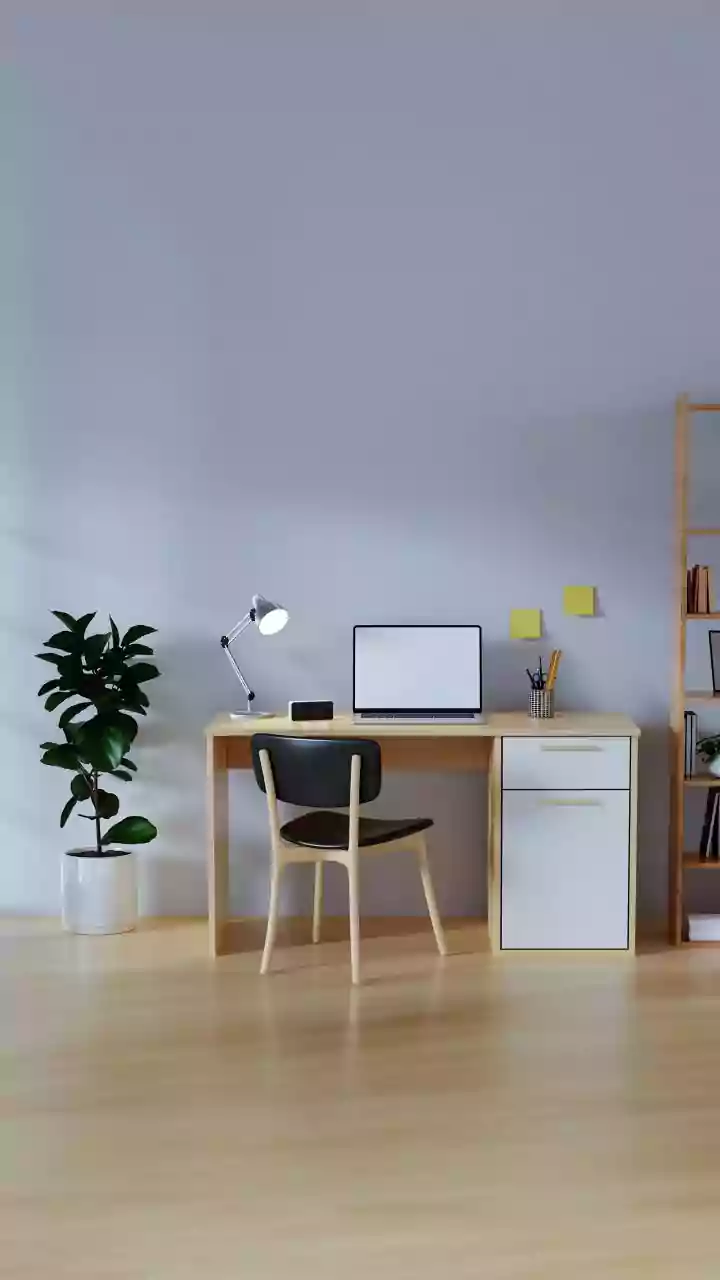
The first step towards a serene workspace is decluttering, and minimalist wooden organizers are the perfect tool. Unlike plastic or metal, wood adds a touch of natural warmth and sophistication. The goal of minimalism here is not emptiness, but intention.
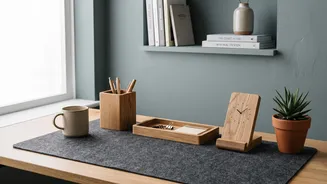
Look for pieces with clean lines and simple forms, such as monitor stands, pen holders, and trays made from materials like walnut, oak, or bamboo. A wooden monitor stand, for example, not only raises your screen to a more ergonomic eye level, reducing neck strain, but it also creates valuable storage space underneath for your keyboard and notebooks. Similarly, a simple wooden tray can corral small items like keys, stationery, and charging cables, keeping your main work surface clear and focused. These organizers are designed to blend utility with beauty, turning everyday storage into a deliberate design choice that enhances the overall aesthetic of your desk.
Set the Mood with Warm Lighting
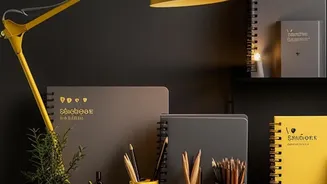
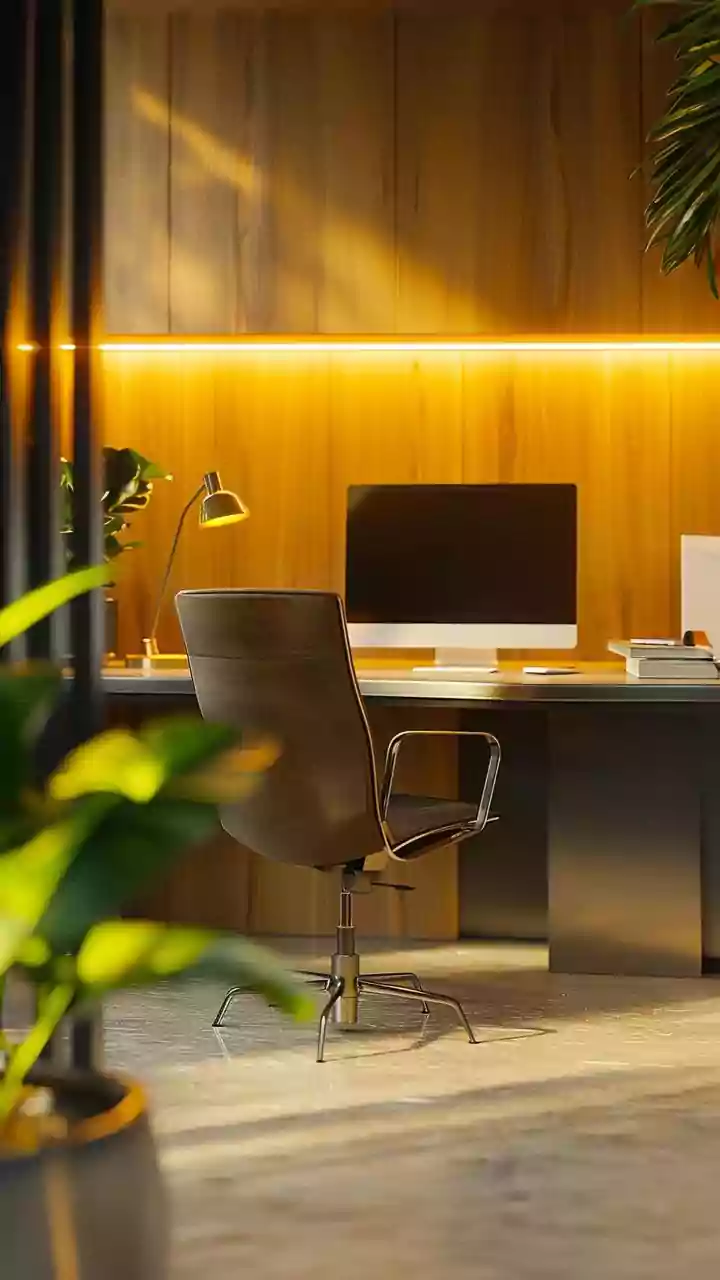
Lighting has a profound effect on our mood, focus, and energy levels. While cool, blue-toned light can promote alertness, it often feels harsh and clinical in a home environment. Warm lighting, which typically falls in the 2700K to 3000K range, emits a soft, yellowish glow reminiscent of a candle or sunset. This type of light is psychologically soothing, helping to create a relaxed and cozy atmosphere that reduces eye strain and mental fatigue. Instead of relying on a single, harsh overhead fixture, layer your lighting. Use a stylish desk lamp with an adjustable arm and a warm-toned bulb for focused task lighting. Supplement this with a floor lamp in a corner to provide soft, ambient light that fills the room and reduces shadows. This layered approach allows you to control the environment, making it bright enough for focused work but gentle enough to feel comfortable and inviting throughout the day.
The Finishing Touch: Textured Desk Mats
A desk mat is a surprisingly transformative element that anchors your entire setup. It visually defines your workspace, pulling your keyboard, mouse, and other tools into a cohesive unit. Beyond aesthetics, it serves a practical purpose by protecting your desk surface from scratches and providing a smooth, continuous surface for your mouse. To complement the natural wood and warm light, opt for a mat with a distinct texture. Materials like wool felt, cork, or vegan leather add a layer of sensory richness and comfort. A felt mat, for instance, offers a soft, sound-dampening surface, while a cork mat brings another natural, earthy element into the space. The texture not only feels pleasant to the touch but also adds visual interest, preventing the minimalist aesthetic from feeling flat or sterile. When choosing a size, consider your workflow; a larger mat can make your space feel more expansive and grounded, while a smaller one frames your essential tools.
Creating a Harmonious Workspace
These three elements—wood, warm light, and texture—work in harmony to create a workspace that is both productive and restorative. This approach borrows from design philosophies like Japandi, which merges Japanese minimalism with Scandinavian functionality, emphasizing natural materials and uncluttered spaces. The wooden organizers provide structure and a connection to nature. The warm lighting creates a calming, intimate mood that supports focus without causing strain. The textured desk mat adds a final layer of comfort and tactile detail. Together, they transform a simple desk into an intentional sanctuary for work. This combination proves that an effective home office doesn't need to be cold or corporate. By making thoughtful choices about materials and light, you can build an environment that not only supports your work but also enhances your overall sense of well-being.