


A World Forged by Water and Grass
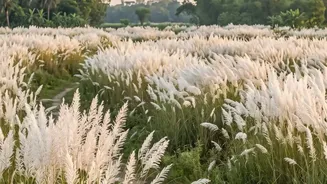
The heart of Kaziranga is its alluvial floodplain, a unique ecosystem created by the mighty Brahmaputra River. This isn't just any field; it's a complex mosaic of tall, dense elephant grass, shorter grasses, and marshy wetlands known as 'beels'. Together,
they form over half the park's area. This 'eastern wet alluvial savannah' is one of the most productive habitats in Asia, supporting an incredible density of wildlife. The landscape is dominated by towering species like elephant grass, which can grow up to 15 feet tall, providing perfect cover and food for the park's giants. This grassy expanse isn't static. It's in a constant state of renewal, thanks to the annual monsoon floods of the Brahmaputra. While often seen as destructive, these floods are the park's lifeblood, depositing nutrient-rich silt that revitalises the soil and prevents forests from taking over the open plains.
Home of the Big Five
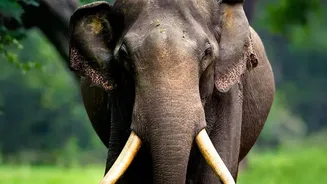
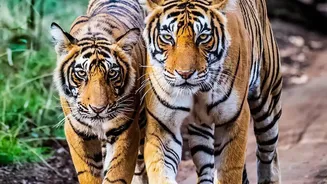
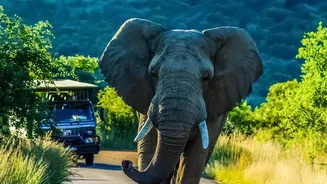
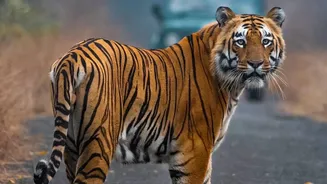
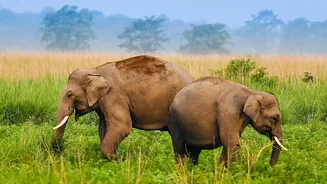
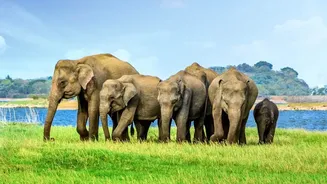
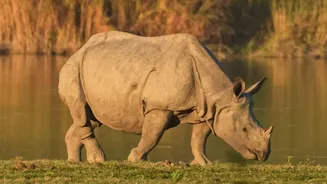
These grasslands are the stage for one of India's greatest wildlife spectacles, supporting the famed 'Big Five' of Kaziranga: the Greater One-Horned Rhinoceros, Asian Elephant, Royal Bengal Tiger, Wild Water Buffalo, and Eastern Swamp Deer. Kaziranga is a global stronghold for the rhino, protecting two-thirds of the world's population in these grasslands. The park also boasts the world's largest population of wild water buffalo and a significant number of Asian elephants. While tigers are famously elusive, Kaziranga has one of the highest tiger densities of any protected area, a testament to the rich prey base sustained by the grasslands. The open terrain, especially around the wetlands, makes for prime viewing of these magnificent animals as they graze, wallow, and move through their natural habitat.
Navigating the Safari Zones
Kaziranga is divided into four main safari zones, each offering a different perspective on the grassland landscape. The Central Range (Kohora) is the most popular, providing a classic mix of tall grass, wetlands, and high wildlife density, making it a great all-rounder for first-time visitors. The Western Range (Bagori) is renowned for its wide, open grasslands and is often considered the best zone for rhino sightings due to its excellent visibility. The Eastern Range (Agoratoli) is a paradise for birdwatchers, with vast wetlands that attract migratory species, and is also an excellent place to see wild water buffalo and swamp deer. Finally, the Burapahar Range offers a different experience, with hillier terrain and dense forests bordering the grasslands, where one might spot hoolock gibbons.
Choosing Your Safari: Jeep vs. Elephant
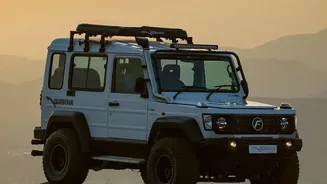
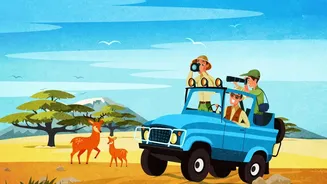
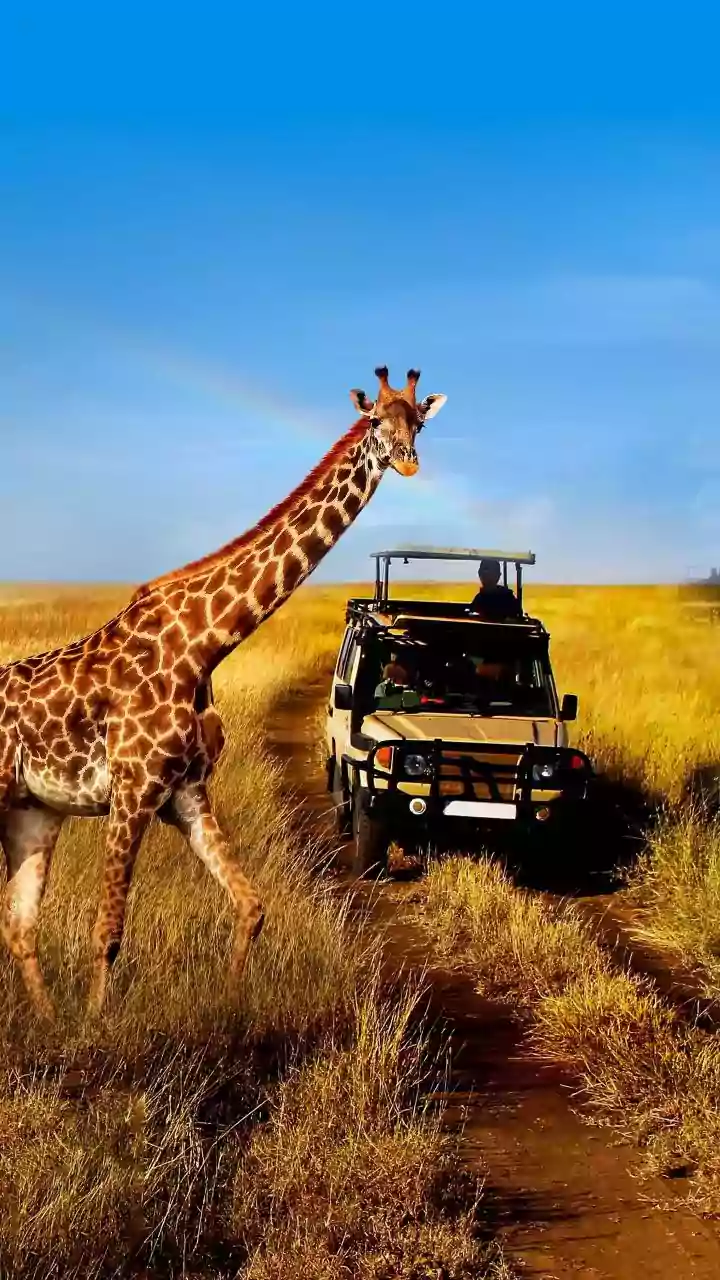
There are two main ways to explore this grassy wilderness: by Jeep or by elephant. The Jeep safari is the most common choice, allowing you to cover more ground across the different zones and spend more time in the park. Jeeps offer stability for photography and a better chance of seeing a wider variety of animals across different habitats. The elephant safari, available only in the early mornings in the Central and Western ranges, offers a completely different perspective. Riding atop an elephant allows you to venture deep into the tall elephant grass where jeeps cannot go, often leading to incredibly close and quiet encounters with rhinos. Many seasoned visitors recommend experiencing both: start with a magical one-hour elephant safari at dawn, followed by a longer Jeep safari to explore a different zone in the afternoon.
When to Visit for the Best Views
The park is open to visitors from November to April, closing during the monsoon season from May to October. The best time to visit is during the cool, dry winter months from November to February. During this period, the weather is pleasant, and the grasses, though still tall, are more manageable for viewing. This is also the peak season for migratory birds. From March to April, the park authorities often conduct controlled burning of the grasslands. This practice, while appearing destructive, is essential for maintaining the habitat by clearing out dead vegetation and promoting fresh, nutritious growth that attracts grazing animals. This period can offer phenomenal, unobstructed views of wildlife against a stark, blackened landscape, though the weather becomes progressively hotter.