

The Complete Protein Puzzle
First, let's understand what a 'complete protein' is. Proteins are made of building blocks called amino acids. There are twenty different types, but nine of them are considered 'essential' because our bodies cannot produce them. We must get these nine essential amino acids from
the food we eat. A food source that contains all nine in sufficient amounts is called a complete protein. Most animal products like meat, eggs, and dairy fall into this category. On the other hand, most individual plant-based foods are 'incomplete', meaning they are low in one or more of these essential amino acids. This is where the concept of protein combining, or complementation, becomes a game-changer for vegetarians.
Grains and Legumes: A Perfect Match
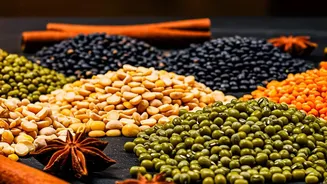
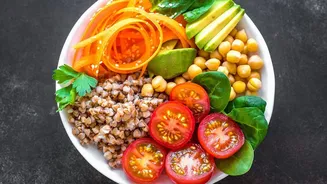
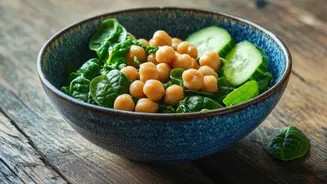
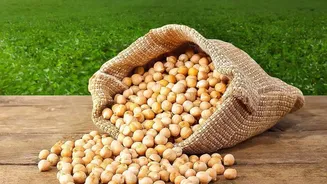
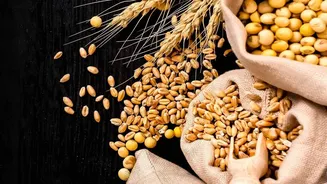
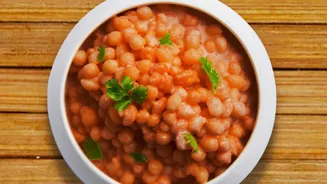
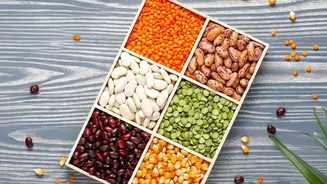
Plant-based foods have a clever, symbiotic relationship when it comes to their amino acid profiles. Generally, whole grains like rice and wheat are low in an essential amino acid called lysine. Conversely, legumes—which include all our dals, chickpeas, and beans—are rich in lysine but often low in another essential amino acid, methionine. When you eat them together, they perfectly complement each other. The grains provide the methionine that legumes lack, and the legumes provide the lysine that grains are missing. This simple combination creates a meal with a complete amino acid profile, functionally equivalent to the protein found in animal sources.
Traditional Indian Meals Got It Right
The beauty of this nutritional strategy is that it is deeply embedded in traditional Indian cuisine. You don't need to look for expensive supplements or exotic ingredients; these powerful protein pairings are staples in most households. The classic bowl of dal-chawal is a perfect example. The lentils (dal) and rice (chawal) together form a complete protein that is both nourishing and easy to digest. Other everyday examples include roti (a whole grain) paired with chana masala (a legume), rajma-chawal, and dosa or idli (made from a fermented batter of rice and urad dal) served with sambar (lentil-based stew). Even khichdi, often seen as simple comfort food, is a one-pot nutritional powerhouse, combining rice and dal to deliver all essential amino acids.
Why It Matters for an Active Lifestyle
For vegetarians who lead an active life, whether through sports, gym workouts, or regular yoga, getting enough complete protein is crucial. While the average person needs about 0.8 grams of protein per kilogram of body weight, active individuals often require more—potentially from 1.2 to 2.0 grams per kilogram—to support their body's needs. Protein is essential for repairing muscle tissues that are broken down during exercise, which is how muscles grow stronger. Consuming complete proteins ensures your body has all the necessary building blocks for efficient muscle repair, recovery, and sustained energy. A meal like dal and rice not only provides this high-quality protein but also delivers complex carbohydrates for energy and fibre for digestive health, making it an ideal post-workout meal.