






What Is Invisible Wellness?
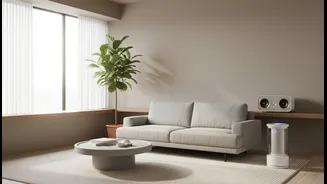
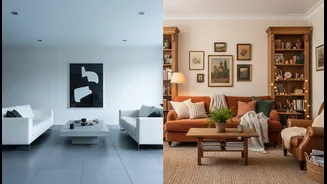
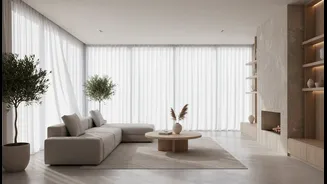
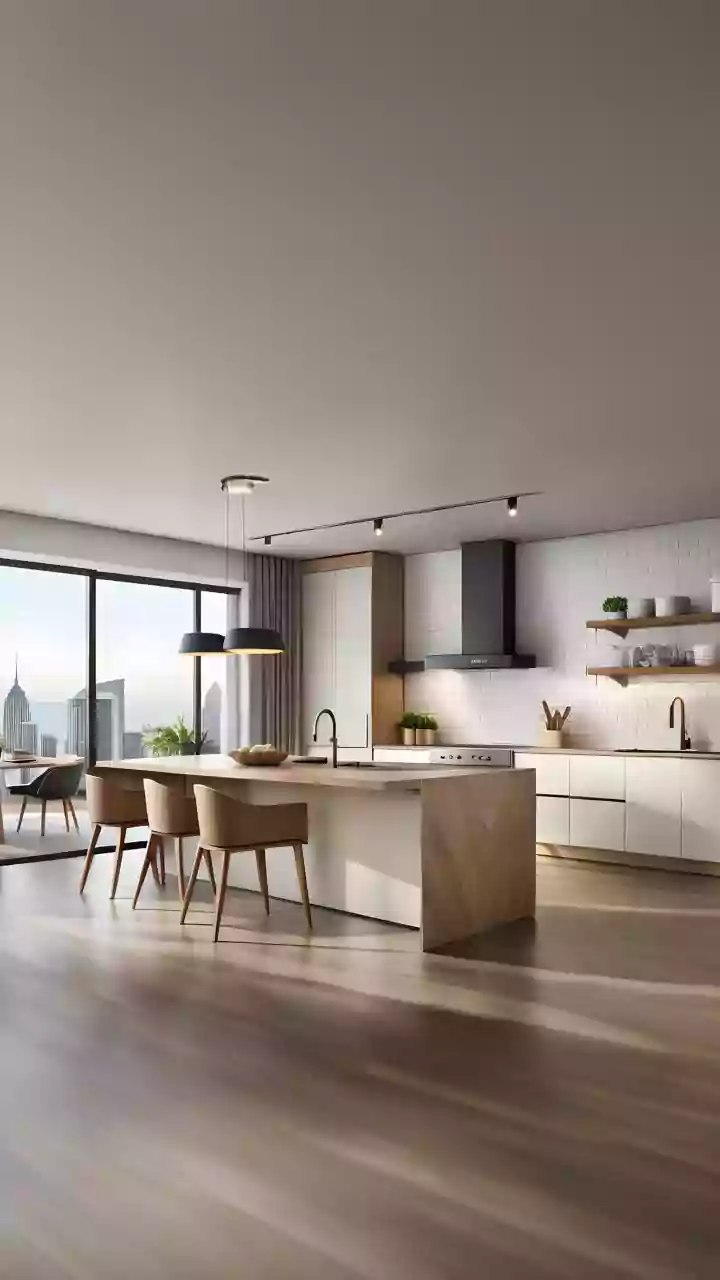
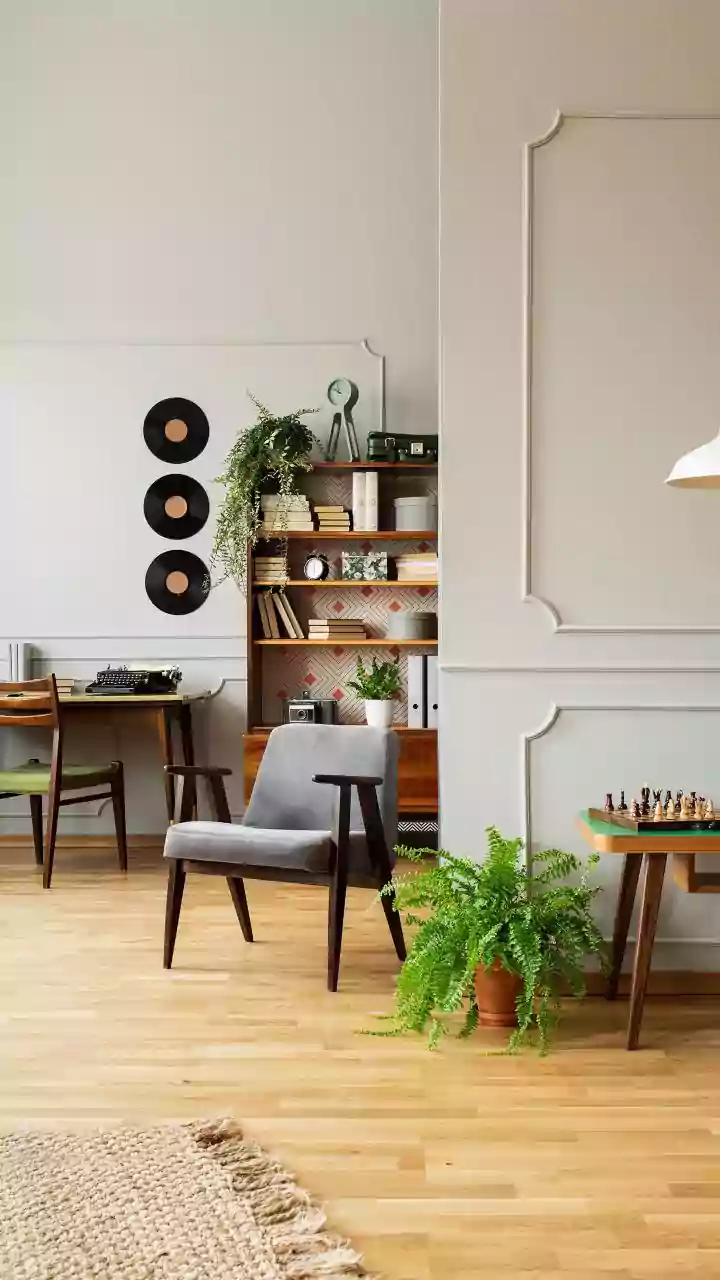
Invisible wellness is an approach to design where health-centric features are seamlessly integrated into the very foundation of a home. Instead of adding a home gym or a sauna as an afterthought, this philosophy embeds well-being into the architecture
itself. It’s about the things you don’t necessarily see but profoundly feel: the quality of the air you breathe, the light that regulates your body clock, and the serene quiet that calms your mind. The goal is to create environments that automatically and unobtrusively support your physical and mental health every day, reducing stress and improving quality of life without announcing themselves as 'wellness spaces'.
Breathing Easy: The Power of Airflow
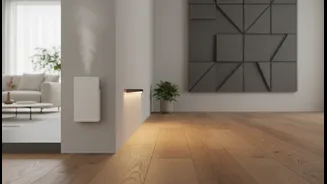
We spend most of our time indoors, where air can be surprisingly polluted. Poor ventilation allows contaminants like dust, allergens, and volatile organic compounds (VOCs) from furniture and cleaning products to accumulate. This can lead to a host of issues, from headaches and fatigue to respiratory problems like asthma. The invisible wellness approach tackles this with advanced ventilation systems, such as energy recovery ventilators (ERVs), that continuously supply fresh, filtered air while removing stale air. The design also emphasizes biophilic principles, which seek to connect us with nature through strategies like maximizing cross-ventilation with operable windows and using natural, low-VOC materials. Better airflow not only reduces the risk of illness but also improves cognitive function and sleep.
Let There Be Natural Light
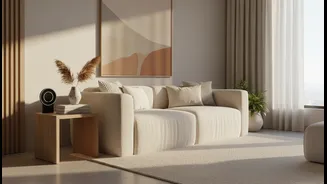
Light is a powerful regulator of our body’s internal clock, or circadian rhythm, which influences our sleep-wake cycle, mood, and hormone production. Insufficient exposure to natural daylight is linked to poor mood, depressive symptoms, and insomnia. Home design is now strategically maximizing sunlight. This includes installing larger windows, skylights, and light shelves to bring daylight deeper into the home. The orientation of a house can be planned to capture morning light, which is particularly effective at boosting alertness and mood. As day turns to night, the focus shifts to human-centric artificial lighting that mimics the warming color temperature of the setting sun, helping the body wind down naturally.
The Sound of Serenity
In our increasingly noisy world, the home is becoming a crucial sanctuary for peace and quiet. Constant exposure to background noise, from traffic to neighbourhood activity, can elevate stress levels. Acoustic design is no longer a niche concern but a central part of creating a calming home environment. This goes beyond simply adding thick carpets. Architects are using materials and construction techniques to dampen sound transmission, such as triple-glazed or laminated glass windows, solid-core doors with seals, and enhanced wall insulation. Thoughtful floor plans also play a role by creating buffer zones, like closets and hallways, to separate quiet areas like bedrooms from noisier, active spaces. The goal isn't absolute silence, but a peaceful acoustic backdrop that allows for rest and reduces sensory overload.