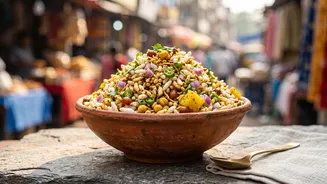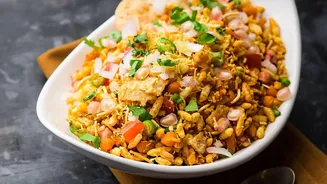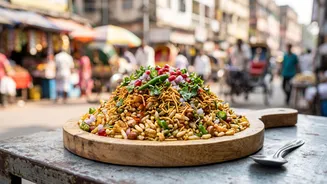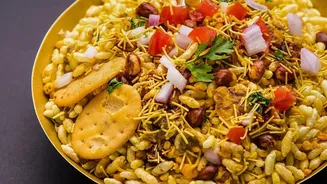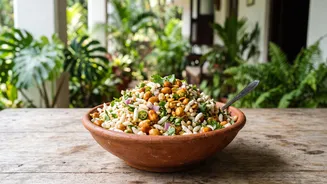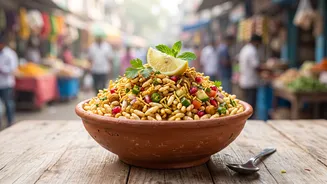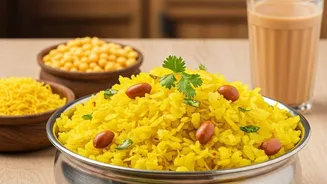





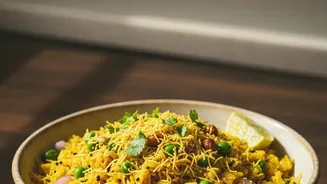
The sound of Jhalmuri being tossed in a steel container is the sound of Bengali street food culture. This simple snack of puffed rice, spices, and fresh vegetables holds a universe of flavour and texture, but one ingredient quietly does the heavy lifting:
the peanut.
The Soul of the Street Snack
Jhalmuri, which translates to 'spicy puffed rice', is more than just a quick bite; it's a cultural icon in West Bengal and beyond. Sold by vendors from street corners to train stations, it's the quintessential on-the-go snack, traditionally served in a paper cone. The magic lies in its delightful chaos—the airy lightness of the puffed rice (muri), the sharp punch of raw mustard oil, the fresh bite of onion and tomato, and the symphony of spices. It’s a snack that awakens the senses with its mix of spicy, tangy, and savoury notes, all assembled in minutes. But within this mixture, the texture is just as important as the taste, and that's where the peanuts play their starring role.
Why the Peanut is Paramount
Think of the peanut not merely as a garnish, but as the rhythmic heartbeat of Jhalmuri. While the puffed rice is light and transient, the peanut provides a substantial, satisfying, and enduring crunch. This textural contrast is fundamental to the experience. A soggy or soft peanut can ruin the entire bowl, dragging down the crispness of the other ingredients. Roasted peanuts contribute a deep, nutty flavour that grounds the otherwise fleeting tastes of fresh vegetables and pungent spices. Their job is to offer a consistent, crunchy counterpoint in every spoonful. Getting them right is not just a suggestion; it's the secret to elevating your homemade Jhalmuri from good to unforgettable.
Perfecting Your Peanuts
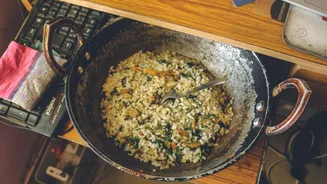
The best peanuts for Jhalmuri are those you prepare yourself. While store-bought roasted peanuts can work in a pinch, they often lack the freshness and perfect texture required. Start with raw, shelled peanuts, with the skin on. The most reliable method is dry roasting. Spread the peanuts in a single layer on a heavy-bottomed pan and roast them over low to medium heat. Stir frequently to ensure they cook evenly. You'll know they're ready when they become aromatic, the skins start to blister and crack, and you hear a faint 'popping' sound. Let them cool completely; this is when they will achieve their maximum crispness. Avoid deep frying, which can make them greasy, or using pre-salted nuts, which can throw off the snack's delicate salt balance.
Assembling Your Masterpiece
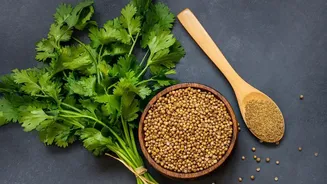
Once your peanuts are perfectly roasted and cooled, you're ready to assemble. The key to great Jhalmuri is speed and the right order of operations to prevent sogginess. Start with your dry ingredients in a large bowl. Add three cups of crisp puffed rice, your roasted peanuts, and any other crunchy elements like sev or chanachur (Bombay mix). Toss these with your dry spices: chaat masala, a pinch of red chilli powder, roasted cumin powder, and black salt. Next, add the 'wet' ingredients: finely chopped onion, tomato (deseeded to reduce moisture), boiled potato, green chillies, and fresh coriander. Finally, drizzle with a teaspoon or two of pungent mustard oil and a squeeze of fresh lemon juice. Mix everything vigorously for no more than 15–20 seconds.
Serve Immediately for Best Results
The single most important rule of Jhalmuri is to serve it the moment it's made. The moisture from the vegetables and the oil will begin to soften the puffed rice almost instantly. That magical, multi layered crunch is fleeting , so have your bowls or paper cones ready . The goal is to deliver that perfect bite—where the airy muri , the substantial peanut , the crisp onion , and the soft potato all come together—to be enjoyed immediately . This isn't a snack that can be made ahead of time . Its transient , fresh made nature is part of its charm and what makes it such a beloved street side treat .